April 23, 2026

Month: October 2025

In the fast-paced world of finance, staying updated is crucial, and that’s where Bajaj Finance comes into play with today’s live news updates. Investors and financial enthusiasts alike are keenly following the latest developments surrounding this prominent player in the finance industry.

From stock performance trends to new financial products, the latest headlines reveal how Bajaj Finance is adapting to market changes and regulatory updates, all of which hold significant implications for investors and customers.

Latest Updates on Bajaj Finance

Bajaj Finance has been making headlines recently, and these developments are crucial for both the company and its investors. In today’s fast-paced finance sector, staying updated with live news can provide insights that influence investment decisions. Bajaj Finance is continuously adapting its strategies to respond to market fluctuations and customer demands, ensuring its position remains robust amid challenges.

Recent Headlines and Their Implications

Recent headlines indicate a series of product launches and strategic partnerships aimed at enhancing customer reach and service efficiency. These moves signal Bajaj Finance’s commitment to innovation and customer satisfaction, which are vital in the competitive financial landscape. Furthermore, the ability to access real-time updates allows investors to make informed decisions quickly, which is particularly significant in volatile markets.

Significance of Live Updates for Investors

Live updates play a pivotal role for investors, as they provide immediate insights into market trends and company performance. Investors can react promptly to changes, whether it’s a shift in stock prices or new financial products being introduced. This responsiveness can lead to better investment outcomes, especially in an industry characterized by rapid changes.

Adapting to Market Changes

Bajaj Finance has been proactive in adapting to evolving market conditions. By leveraging technology and enhancing its digital services, the company has improved customer engagement and streamlined operations. This adaptability not only strengthens its market position but also builds investor confidence.

Bajaj Finance Stock Performance

The performance of Bajaj Finance’s stock has seen notable trends and fluctuations recently, reflecting broader market conditions and company developments. Understanding these trends is essential for assessing the company’s financial health.

Current Stock Price Trends

As of today, Bajaj Finance’s stock price has experienced fluctuations, which are not uncommon in the finance sector. These fluctuations can be attributed to various factors including economic indicators and market sentiment. By analyzing these trends, investors can gauge the potential for future growth.

Trading Volumes and Market Reactions

Trading volumes for Bajaj Finance stocks have been significant, indicating active investor interest. High trading volumes often correlate with market reactions to news about the company, including earnings reports and new product launches. This activity suggests a dynamic trading environment that investors should monitor closely.

Factors Influencing Stock Performance

Several factors influence the stock performance of Bajaj Finance today. Key among them are economic conditions, interest rate fluctuations, and changes in regulatory policies. These elements can affect investor sentiment and ultimately impact stock prices.

Financial Products and Services

Bajaj Finance is continually innovating its financial products to meet the diverse needs of its customers. Understanding these offerings is crucial for both consumers and investors.

Latest Financial Products

Recently, Bajaj Finance has launched several new financial products tailored for different customer segments. These products aim to enhance customer experience and provide better financial solutions.

Features and Benefits

The latest financial products come equipped with various features designed to attract customers. Key benefits include:

  • Low interest rates
  • Flexible repayment options
  • Quick approval process
  • Comprehensive insurance packages

These features make Bajaj Finance’s offerings competitive in the market.

Comparison of Product Offerings

To better understand the options available, here’s a comparison of select financial products and their interest rates:

Product Type Interest Rate (%) Loan Amount (INR) Tenure (Months)
Personal Loan 10.99 Up to 25,000 12-60
Home Loan 6.70 Up to 5 Crore 240
Business Loan 14.00 Up to 50 Lakh 12-60

Regulatory Changes Impacting Bajaj Finance

The financial landscape is heavily influenced by regulatory changes that can significantly affect operations. Bajaj Finance is no exception.

Recent Regulatory Updates

Recent updates in the financial regulations have introduced new compliance requirements. These changes can affect lending practices and operational efficiencies within the finance sector.

Impact on Operations

The regulatory changes necessitate adaptations in Bajaj Finance’s operations, requiring the company to enhance its compliance frameworks and operational protocols. This evolution ensures the company meets legal standards while still providing quality services.

Compliance Strategies Implemented

Bajaj Finance has implemented several compliance strategies, including regular training for employees and upgrading technology systems. These strategies aim to mitigate risks associated with regulatory non-compliance and enhance overall operational efficiency.

Customer Feedback and Market Sentiment

Understanding customer feedback is essential for assessing Bajaj Finance’s market position and service quality.

Recent Customer Reviews

Recent customer reviews indicate a generally positive sentiment towards Bajaj Finance’s services. Customers appreciate the efficiency of the loan application process and the quality of customer service provided.

Sentiment Analysis from Social Media

Sentiment analysis from social media platforms reveals positive feedback trends. Customers frequently mention the reliability and user-friendliness of Bajaj Finance’s digital platforms, which adds to the brand’s strength.

Customer Satisfaction Metrics

Customer satisfaction metrics provide insight into how Bajaj Finance is perceived. Here’s a structured overview:

Metric Percentage (%)
Overall Satisfaction 85
Recommendation Rate 78
Service Quality 80

Future Predictions for Bajaj Finance

Looking ahead, expert predictions indicate a positive growth trajectory for Bajaj Finance, despite potential market challenges that may arise.

Expert Predictions

Experts forecast that Bajaj Finance will continue to grow, driven by its innovative financial products and strong market presence. Increased digital adoption among consumers is expected to further bolster growth.

Potential Challenges and Opportunities

While opportunities abound, potential challenges include regulatory constraints and stiff competition within the financial services sector. However, these challenges also present opportunities for Bajaj Finance to differentiate itself through innovative solutions.

Upcoming Initiatives

Bajaj Finance is set to launch new initiatives aimed at enhancing customer experience and expanding its market reach. This includes investing in advanced technology and introducing more customer-centric products.

Bajaj Finance in the Global Market

Bajaj Finance is not just a key player in India but also has ambitions in the global market. Understanding its position relative to international finance companies is crucial.

Comparison with International Finance Companies

Bajaj Finance’s growth strategies are comparable to those of leading international finance companies, focusing on technology and customer engagement.

Influence of Global Economic Trends

Global economic trends significantly impact Bajaj Finance’s operations. Factors such as currency fluctuations and international interest rates can influence business strategies and profitability.

International Expansion Efforts

Bajaj Finance is actively pursuing international expansion. Here’s a table showcasing its efforts:

Market Year Entered Investment (INR Crore)
Southeast Asia 2021 300
Middle East 2022 150
Africa 2023 200

Social Responsibility Initiatives

Bajaj Finance is committed to corporate social responsibility (CSR), impacting various communities positively.

Latest CSR Initiatives

The company has recently launched several CSR initiatives focusing on education, healthcare, and environmental sustainability. These initiatives are designed to uplift communities and promote social well-being.

Impact on Community Development

The impact of these CSR initiatives is profound, benefiting thousands of individuals through enhanced access to essential services and resources.

Statistical Outcomes

The outcomes of these programs demonstrate significant improvements in community well-being, with measurable metrics such as:

  • Increased school enrollment by 30%
  • Improvement in healthcare access by 25%
  • Reduction in carbon footprint by 15%

Conclusion

In conclusion, Bajaj Finance continues to navigate the complexities of the financial landscape with innovative strategies and customer-centric initiatives. Staying informed about its latest news allows investors and customers to make educated decisions, ensuring they remain ahead in a competitive market.

Clarifying Questions

What is the latest stock price of Bajaj Finance?

The latest stock price can fluctuate throughout the trading day; check your financial news source for real-time updates.

How do Bajaj Finance products compare to competitors?

Bajaj Finance offers competitive interest rates and features; a comparison table can provide a clearer picture.

What are the recent customer sentiments regarding Bajaj Finance?

Recent customer feedback shows a generally positive sentiment, with satisfaction metrics reflecting improvements in service.

How does Bajaj Finance respond to regulatory changes?

Bajaj Finance actively adapts its operations and compliance strategies to align with new regulatory requirements.

What are the future growth predictions for Bajaj Finance?

Experts predict steady growth for Bajaj Finance, citing opportunities in product diversification and market expansion.


With crypto coins for long term investment at the forefront, the world of cryptocurrency presents an intriguing and evolving landscape that beckons both seasoned investors and novices alike. As digital assets gain traction, understanding their potential and pitfalls becomes essential for anyone looking to secure their financial future.

In this exploration, we will delve into the significance of crypto coins, the benefits they offer for long-term investment strategies, and the historical context that has shaped their present state. From examining key factors influencing their value to identifying popular coins and effective investment strategies, this guide aims to equip you with the knowledge needed to navigate the vibrant world of cryptocurrency.

Overview of Crypto Coins for Long-term Investment

6 Best Long-Term Crypto Investments In 2022

The world of cryptocurrency has evolved dramatically since the launch of Bitcoin in 2009. Crypto coins, essentially digital assets secured by cryptography, have become a significant part of the investment landscape. They offer an alternative to traditional investments, attracting both seasoned investors and newcomers alike. The increasing acceptance of cryptocurrencies by businesses and individuals underscores their growing importance in today’s financial ecosystem.Investing in crypto coins for the long term comes with several advantages.

These digital assets can provide substantial returns, especially as the technology matures and adoption rates increase. Additionally, cryptocurrencies can act as a hedge against inflation, offering a decentralized store of value. The history of cryptocurrency is marked by rapid evolution, from the inception of Bitcoin to the rise of thousands of altcoins, each with unique features and capabilities. This evolution reflects the changing needs of investors and the broader economic landscape.

Factors to Consider for Long-term Investment

When considering long-term investments in crypto coins, several key factors influence their value over time. Understanding these factors can help investors make informed decisions that align with their financial goals.

  • Market Trends: The cryptocurrency market is highly influenced by trends such as demand, adoption rates, and technological advancements. Recognizing these trends can provide insights into potential price movements.
  • Technological Advancements: Innovations in blockchain technology can enhance the functionality and appeal of certain crypto coins, making them more attractive for long-term investments.
  • Regulatory Frameworks: The evolving regulatory landscape can significantly impact the crypto market. Regulations can either encourage investment or create barriers, which investors need to consider when evaluating potential investments.

Popular Crypto Coins for Long-term Investment

Several leading crypto coins have emerged as strong candidates for long-term investment due to their market presence, technology, and use cases.

Crypto Coin Market Cap Technology Use Cases
Bitcoin (BTC) Largest Proof of Work Digital Gold, Store of Value
Ethereum (ETH) Second Largest Smart Contracts Decentralized Applications, DeFi
Cardano (ADA) Growing Proof of Stake Smart Contracts, Scalability Solutions

Each of these coins possesses unique features that contribute to their potential growth. Bitcoin remains the leader in market capitalization, known for its scarcity and reliability as a store of value. Ethereum, with its smart contract capabilities, has paved the way for decentralized applications and DeFi projects, making it highly relevant in the current market. Cardano’s focus on scalability and sustainability presents a strong case for its long-term viability.

Strategies for Long-term Investment in Crypto

Investing in crypto for the long term requires well-thought-out strategies to maximize returns and manage risks effectively.

  • Dollar-Cost Averaging: This strategy involves investing a fixed amount of money at regular intervals, regardless of the price. It reduces the impact of volatility and lowers the average cost of investment over time.
  • Diversification: Building a diversified portfolio with various cryptocurrencies can mitigate risks. This strategy ensures that if one asset underperforms, others may balance the overall investment performance.
  • Research and Analysis: Staying informed about market developments, technological advancements, and regulatory changes is crucial for long-term success in crypto investments.

Risks Associated with Long-term Crypto Investment

Investing in crypto coins is not without its risks. Understanding these risks is vital for any long-term investor.

  • Market Volatility: The cryptocurrency market is known for its extreme price fluctuations, which can lead to significant losses over short periods.
  • Regulatory Risks: Changes in regulations can impact the viability of certain cryptocurrencies, and investors must stay updated on these developments.
  • Security Risks: Investors should implement security measures to protect their assets, such as using hardware wallets and enabling two-factor authentication on exchanges.

Future Trends in Cryptocurrency

Best Long-Term Cryptocurrencies To Buy in 2022 | GOBankingRates

The future of cryptocurrency investments is poised for further transformation, driven by new trends and technological advancements.

  • Decentralized Finance (DeFi): The growth of DeFi applications is expected to continue, providing innovative financial services without traditional intermediaries.
  • Regenerative Finance: This emerging trend focuses on sustainable financial practices, potentially reshaping investment strategies.
  • Institutional Adoption: As more institutions enter the crypto space, the market may see increased legitimacy and stability, attracting a broader range of investors.

Resources for Long-term Crypto Investors

For those looking to deepen their understanding of cryptocurrency, numerous resources are available.

  • News Outlets: Websites like CoinDesk and CoinTelegraph provide up-to-date news on market developments and trends.
  • Educational Platforms: Online courses and webinars from platforms like Coursera and Udemy can offer valuable insights into crypto investments.
  • Community Engagement: Participating in forums, social media groups, and local meetups can enhance knowledge and provide networking opportunities with other investors.

Last Point

In conclusion, investing in crypto coins for the long term presents both exciting opportunities and inherent risks. By staying informed about market trends, understanding the technology behind these assets, and employing sound investment strategies, you can position yourself to benefit from the evolving landscape of cryptocurrency. Remember, continuous learning and engagement with the crypto community are vital as you embark on this thrilling journey.

Questions Often Asked

What are the main benefits of investing in crypto coins long-term?

The main benefits include potential for high returns, portfolio diversification, and the opportunity to capitalize on technological advancements in the financial industry.

How do I choose the right crypto coins for long-term investment?

Consider factors such as market cap, project fundamentals, team experience, and unique use cases of the coins.

Is it safe to invest in crypto coins for the long term?

While there are risks, implementing security measures, diversifying your portfolio, and staying updated on market trends can help mitigate those risks.

What is dollar-cost averaging in crypto investment?

Dollar-cost averaging is an investment strategy where you invest a fixed amount of money at regular intervals, regardless of the coin’s price, to reduce the impact of volatility.

How will regulatory changes affect crypto investments?

Regulatory changes can impact market stability, investor confidence, and the overall adoption of cryptocurrencies, making it crucial to stay informed about new regulations.

Delving into bitcoin treasury meaning, this discussion unpacks the implications of organizations adopting Bitcoin as a significant asset within their financial strategies. As more businesses recognize the growing importance of cryptocurrency, understanding how Bitcoin can serve as a treasury asset becomes essential for navigating the complexities of the modern financial landscape.

From delineating what constitutes a Bitcoin Treasury to discussing its strategic management, this exploration highlights the transformative potential of Bitcoin in organizational treasury practices. Companies are increasingly leveraging Bitcoin not just as a speculative investment but as a fundamental component of their financial health, which necessitates a deeper understanding of its nuances.

Understanding Bitcoin Treasury

The term “Bitcoin Treasury” has emerged as a significant concept in the realm of digital finance. Essentially, it refers to the practice of organizations holding Bitcoin as part of their treasury management strategy. This approach can vary widely among different entities, depending on their financial goals, risk tolerance, and the overall economic landscape. For instance, a tech company might define its treasury to include a certain percentage of its assets in Bitcoin, viewing it as a long-term investment, while a hedge fund might see it as a vehicle for speculation.The significance of maintaining a Bitcoin Treasury cannot be overstated.

It offers organizations a means to diversify their asset holdings, potentially increase their overall returns, and hedge against economic uncertainties. This financial strategy is increasingly relevant as more businesses recognize Bitcoin’s unique position in the asset class spectrum.

Importance of Bitcoin as a Treasury Asset

Organizations are increasingly opting for Bitcoin as a treasury asset for several compelling reasons. The primary motivations include:

  • Store of Value: Bitcoin is often viewed as a digital gold, offering a hedge against inflation and currency devaluation.
  • Growth Potential: With its historical price appreciation, Bitcoin presents opportunities for significant capital gains.
  • Decentralization: Unlike traditional currencies, Bitcoin operates on a decentralized network, reducing the risk of government interference in financial assets.

However, there are risks associated with holding Bitcoin in treasury, including its notorious volatility. Companies need to weigh these risks against the benefits. Notably, Bitcoin’s tendency to act as a hedge against inflation has become a focal point for many organizations, especially in the current economic climate where traditional currencies are subjected to inflationary pressures.

Strategic Considerations for Bitcoin Treasury Management

Effective management of a Bitcoin Treasury requires careful planning and strategic considerations. Organizations should adopt best practices such as:

  • Diversification: Companies should not put all their resources into Bitcoin but consider a diversified portfolio that includes other assets.
  • Volatility Assessment: Regularly assess Bitcoin’s price volatility to inform risk management strategies.
  • Liquidity Planning: Ensure that the treasury can meet operational needs without being overly exposed to market fluctuations.

Identifying methods for assessing Bitcoin’s volatility is crucial in treasury management. This can involve using technical analysis, consulting financial models, or even employing automated trading systems. Moreover, decision-making frameworks should be established to guide treasury allocation in cryptocurrencies, ensuring that the organization remains agile in its financial strategies.

Case Studies of Companies with Bitcoin Treasury

Several companies have successfully integrated Bitcoin into their treasury management strategies, each employing unique approaches. For example:

  • MicroStrategy: This business intelligence firm has become well-known for its aggressive Bitcoin acquisition strategy, holding thousands of Bitcoins as a core part of its treasury.
  • Tesla: The electric vehicle manufacturer has invested a significant portion of its cash reserves in Bitcoin, leveraging it for potential appreciation.
  • Square: Now known as Block, Inc., Square has added Bitcoin to its balance sheet, considering it a strategic investment in the future of finance.

The outcomes of these strategies vary, with lessons learned regarding market timing, liquidity management, and the importance of having a clear vision for holding Bitcoin in treasury.

Regulatory and Compliance Aspects

Organizations managing Bitcoin Treasuries face a myriad of regulatory challenges. Compliance with local and international regulations is imperative, leading to several legal considerations, including:

  • Tax Implications: Understanding how Bitcoin holdings are taxed in different jurisdictions.
  • Anti-Money Laundering (AML): Compliance with AML regulations to prevent illicit activities.
  • Reporting Requirements: Ensuring accurate and timely reporting of cryptocurrency holdings to regulatory bodies.

A checklist for compliance requirements should include due diligence, risk assessments, and ongoing monitoring of regulatory developments.

Future Trends in Bitcoin Treasury Practices

As the landscape of cryptocurrency treasury management continues to evolve, several emerging trends are becoming apparent:

  • Increased Institutional Adoption: More organizations are likely to follow in the footsteps of early adopters, normalizing Bitcoin in treasury strategies.
  • Technological Advancements: Innovations in custodial services and blockchain technology will enhance security and efficiency in managing Bitcoin Treasuries.
  • Integration with Traditional Finance: The convergence of cryptocurrency and traditional financial systems will create new opportunities and challenges for treasury management.

Predictions indicate that Bitcoin will solidify its role as a legitimate treasury asset across various sectors, influencing investment strategies and financial practices in the years to come.

Outcome Summary

In summary, grasping bitcoin treasury meaning equips organizations with the insights necessary for strategic financial planning and decision-making. As the landscape of digital currencies continues to evolve, embracing Bitcoin as a treasury asset can offer firms a competitive edge, enabling them to hedge against inflation and explore new growth opportunities. The future of Bitcoin in treasury management is bright, and those who adapt early will likely pave the way for innovative financial practices.

FAQ Compilation

What is the main function of a Bitcoin Treasury?

A Bitcoin Treasury primarily serves to hold Bitcoin as a strategic asset, providing businesses with a hedge against traditional market volatility and inflation.

How do organizations decide the amount of Bitcoin to hold in their treasury?

Organizations typically assess their financial goals, risk tolerance, and market conditions to determine the optimal amount of Bitcoin to hold.

What risks are associated with holding Bitcoin in treasury?

The main risks include price volatility, regulatory changes, and security concerns related to cryptocurrency storage and transactions.

Can Bitcoin Treasuries be used for operational expenses?

While some organizations may choose to use Bitcoin for operational expenses, it is generally more common to hold it as a long-term asset rather than for day-to-day transactions.

What regulatory challenges do companies face with Bitcoin Treasuries?

Companies may encounter issues related to taxation, compliance with financial regulations, and the need for transparency in reporting cryptocurrency holdings.

Crypto coins by market cap sets the stage for this enthralling narrative, offering readers a glimpse into a story that is rich in detail and brimming with originality from the outset.

In the rapidly evolving world of cryptocurrencies, understanding market capitalization is essential for investors and enthusiasts alike. This metric not only highlights the significance of different crypto coins in the market but also provides insights into their potential for growth and volatility. Let’s dive into the fascinating realm of crypto coins by market cap and discover what sets the most prominent players apart.

Overview of Crypto Coins by Market Cap

In the rapidly evolving world of finance, cryptocurrencies have emerged as a significant player, capturing the interest of investors and tech enthusiasts alike. Crypto coins, often simply referred to as cryptocurrencies, are digital currencies designed to work as a medium of exchange. They utilize cryptography for secure transactions, making them unique compared to traditional currencies. Their significance lies not only in their potential for high returns but also in their ability to revolutionize financial systems worldwide.Market capitalization, or market cap, is a crucial metric in the cryptocurrency space, representing the total value of a cryptocurrency in circulation.

It is calculated by multiplying the current price of a coin by its total supply. For instance, if a cryptocurrency has a price of $10 and there are 1 million coins in circulation, its market cap would be $10 million. This figure helps investors gauge the relative size and importance of a cryptocurrency within the market, providing insights into its stability and growth potential.

Popular Crypto Coins by Market Cap

Understanding Cryptocurrencies - 002 : Cryptocurrency Market Cap and ...

The cryptocurrency market is dominated by a few key players that hold significant market caps. The top five cryptocurrencies, based on their market cap, are Bitcoin, Ethereum, Binance Coin, Cardano, and Solana. Each of these coins boasts unique features that set them apart.

Cryptocurrency Market Cap Price Trading Volume
Bitcoin (BTC) $900 billion $45,000 $30 billion
Ethereum (ETH) $450 billion $3,200 $20 billion
Binance Coin (BNB) $100 billion $400 $1.5 billion
Cardano (ADA) $80 billion $1.20 $1 billion
Solana (SOL) $70 billion $150 $600 million

Historically, these cryptocurrencies have shown remarkable performance. Bitcoin, launched in 2009, remains the pioneer and continues to dominate the market. Ethereum introduced smart contracts, facilitating decentralized applications. Binance Coin, originally created for transaction fees on the Binance exchange, has expanded its utility significantly. Cardano focuses on sustainability and scalability, while Solana offers fast and low-cost transactions, making them attractive to developers and investors alike.

Factors Influencing Market Cap of Crypto Coins

Several factors contribute to the market cap of cryptocurrencies, reflecting their value and stability. Key influencers include supply and demand dynamics, market sentiment, and technological advancements. For instance, when demand for a cryptocurrency increases due to positive news or adoption by major companies, its market cap rises significantly. Recent events such as major corporations accepting Bitcoin as payment have notably impacted its market cap.Regulatory developments also play a critical role in shaping market caps.

For example, when governments implement favorable regulations, it can enhance investor confidence and lead to increased investment, thereby boosting the market capitalization of cryptocurrencies. Conversely, harsh regulations may lead to a decline in market cap as investors withdraw.

Comparison of Market Cap Among Different Crypto Coins

When comparing the market caps of leading cryptocurrencies with emerging ones, distinct differences are evident. Established cryptocurrencies like Bitcoin and Ethereum have market caps in the hundreds of billions, while newer entrants may only reach a few billion.

  • Benefits of High Market Cap Coins:
    • Greater stability and less volatility.
    • Wider acceptance and liquidity.
    • Established track record and community support.
  • Risks of High Market Cap Coins:
    • Potential for slower growth rates.
    • Increased scrutiny and regulatory risks.
  • Benefits of Low Market Cap Coins:
    • Potential for rapid growth and high returns.
    • Opportunity to invest early in innovative projects.
  • Risks of Low Market Cap Coins:
    • Higher volatility and risk of total loss.
    • Less liquidity, making it hard to sell.

Diversifying investments based on market cap can help mitigate risks and take advantage of growth opportunities in the crypto space.

Predictions for Future Crypto Market Caps

Looking ahead, predictions for the future market cap trends of major cryptocurrencies suggest a potential for growth, driven by technological developments and increased adoption. Analysts foresee Bitcoin maintaining its dominance, while Ethereum’s transition to Ethereum 2.0 could further enhance its market position.Market catalysts, such as institutional investments and advancements in blockchain technology, could significantly influence the growth trajectories of cryptocurrencies.

For instance, if major financial institutions increase their crypto holdings, it could lead to substantial market cap increases.

Year Projected Market Cap for Bitcoin Projected Market Cap for Ethereum
2024 $1 trillion $600 billion
2025 $1.5 trillion $1 trillion
2026 $2 trillion $1.5 trillion
2027 $2.5 trillion $2 trillion
2028 $3 trillion $2.5 trillion

Strategies for Investing in Crypto Coins by Market Cap

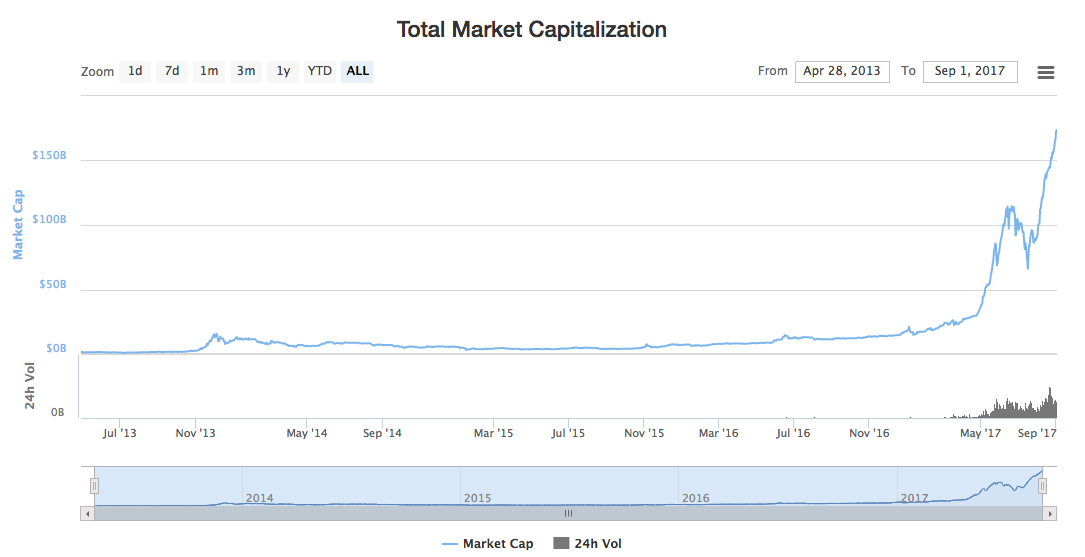
Total crypto market-cap hits 0M as Bitcoin and altcoins recover from ...

Investing in cryptocurrencies requires tailored strategies based on market cap segments. For large-cap coins, investors might focus on stability and long-term growth, while mid-cap coins may offer a balance of risk and reward. Small-cap coins can be highly speculative but also present significant growth opportunities.

  • Strategies for Large-Cap Investments:
    • Invest for the long term to ride out market fluctuations.
    • Monitor regulatory news to assess potential impacts.
  • Strategies for Mid-Cap Investments:
    • Research the project’s technology and team.
    • Diversify within this segment to manage risk.
  • Strategies for Small-Cap Investments:
    • Conduct thorough research to avoid scams.
    • Set clear exit strategies to secure profits.

“Investing in crypto based on market cap helped me navigate the volatility. I’ve seen substantial gains by diversifying my portfolio.”

A seasoned crypto investor

Final Thoughts

In summary, exploring crypto coins by market cap reveals a dynamic landscape where opportunities and challenges coexist. As we have seen, understanding market trends, individual coin characteristics, and the factors that influence their value is crucial for informed investment decisions. Staying updated on market movements will empower you to navigate this vibrant ecosystem effectively.

Helpful Answers

What is market capitalization in crypto?

Market capitalization is the total value of a cryptocurrency, calculated by multiplying its current price by the total supply of coins in circulation.

How often do market caps change?

Market caps can fluctuate rapidly due to changes in price and trading volume, often occurring within seconds during active trading periods.

Why should I consider market cap when investing?

Market cap can indicate the relative stability or risk of a cryptocurrency, with larger caps often being seen as safer investments compared to smaller caps.

Can a low market cap coin become popular?

Yes, low market cap coins can gain popularity and increase in value, but they also carry higher risk due to volatility and lower liquidity.

What tools can I use to track market cap?

There are several tools available, such as CoinMarketCap and CoinGecko, that provide real-time data on market caps, prices, and trading volumes.

With crypto market courses gaining traction, the landscape of cryptocurrency education is evolving rapidly. These courses serve as vital resources, equipping individuals with the knowledge and skills needed to navigate the complex world of digital currencies. Whether you’re a novice looking to understand the basics or an experienced trader aiming to refine your strategies, these educational programs offer a structured path to mastering the crypto markets.

Crypto market courses encompass a wide range of topics, from fundamental concepts to advanced trading techniques. They emphasize the necessity of education in fostering informed investment decisions, ultimately contributing to individual success in the volatile cryptocurrency arena.

Overview of Crypto Market Courses

Crypto market courses are educational programs designed to teach individuals about the intricacies of trading and investing in cryptocurrencies. Their primary purpose is to equip learners with the necessary knowledge and skills to navigate the volatile world of digital assets effectively. As cryptocurrency continues to gain traction, education in this field has become increasingly vital for both novice and experienced traders.

Understanding the dynamics of cryptocurrency markets is crucial, as it helps individuals minimize risks and maximize potential returns. Key topics typically covered in these courses include blockchain technology fundamentals, market analysis techniques, trading strategies, and regulatory considerations. This foundational knowledge enables participants to make informed decisions in their trading and investment endeavors.

Types of Crypto Market Courses

Crypto market courses come in various formats, each catering to different learning preferences and needs. The two primary formats are online courses and in-person classes. Online courses offer flexibility, allowing participants to learn at their own pace, while in-person classes provide direct interaction with instructors and fellow learners.When considering the financial aspect, there are both free and paid courses available.

Free courses can be a great starting point for beginners, offering basic knowledge without any financial commitment. However, paid courses often provide more comprehensive content, personalized feedback, and access to exclusive resources. Specialized courses also exist, targeting specific audiences such as beginners seeking foundational knowledge, advanced traders looking to refine their skills, or those interested in particular strategies like day trading or long-term investing.

Selecting a Crypto Market Course

Choosing the right crypto market course involves evaluating specific criteria to ensure quality education. The credibility of the course provider is essential; potential learners should research the instructor’s qualifications and background in the crypto market. Furthermore, it’s critical to assess the course content, looking for a well-structured curriculum that covers essential topics in depth.Common red flags to watch for when selecting a course provider include overly aggressive marketing tactics, lack of transparency regarding pricing or course details, and poor reviews from past participants.

Course Content Structure

Crypto Payment Vector Design Images, Gold Crypto Payment Set, Bitcoin ...

A beginner-level crypto market course typically begins with foundational topics before progressing to more advanced strategies. The structure may follow this Artikel:

  1. Introduction to Cryptocurrency and Blockchain Technology
  2. Understanding Market Dynamics and Terminology
  3. Basic Trading Strategies and Tools
  4. Technical Analysis Fundamentals
  5. Risk Management Techniques
  6. Advanced Trading Strategies (e.g., day trading, swing trading)
  7. Real-World Practical Exercises and Simulations

Integrating practical exercises within the course structure enhances learning outcomes. For example, participants can engage in simulated trading scenarios or case studies that apply theoretical knowledge to real-world situations.

Learning Outcomes from Crypto Market Courses

Upon completing a crypto market course, participants can expect to gain a diverse set of skills. These include a comprehensive understanding of cryptocurrency trading, analytical skills for market evaluation, and the ability to develop personalized investment strategies. Additionally, successful completion of these courses may open up various career opportunities in the financial sector, such as cryptocurrency analyst, trading consultant, or blockchain project manager.

Ongoing education is crucial in the rapidly evolving crypto landscape. Participants should remain engaged with learning resources, such as advanced courses, webinars, and industry publications, to stay updated on market trends and innovations.

Impact of Crypto Market Courses on Investment Strategies

Education significantly influences personal investment strategies in cryptocurrency. Research indicates that educated investors tend to achieve higher success rates compared to those without formal training. Case studies highlight successful investors who attribute their knowledge and trading acumen to completed courses. For instance, many top traders credit their understanding of market analysis and risk management principles, learned through structured courses, as pivotal to their investment success.

Trends in Crypto Market Education

Emerging trends in crypto market education reflect the increasing demand for knowledgeable investors. One notable trend is the integration of technology in delivering educational content. Online platforms, webinars, and mobile applications are becoming popular, enabling flexible learning options tailored to individual preferences.As the financial landscape evolves, the future of crypto market courses is likely to include more interactive and immersive learning experiences, such as virtual reality simulations and AI-driven personalized learning paths.

Community and Networking Opportunities

Community engagement plays a vital role in the success of crypto market courses. These programs often facilitate networking among participants, industry professionals, and experienced traders. Through course participation, learners can build valuable connections that may lead to collaborative projects, mentorship opportunities, or even partnerships in trading ventures.

Resources for Further Learning After Courses

To continue their education beyond formal courses, participants should explore various resources. Recommended books on cryptocurrency and trading strategies, industry-leading websites, and insightful podcasts can enhance their knowledge base. Following industry experts and influencers on social media platforms also provides ongoing insights into market developments and investment strategies. Remaining engaged with learning communities, such as online forums or local meetups, fosters collaboration and supports continuous education in the crypto space.

Wrap-Up

Cryptocurrency 3D Illustration 11064633 PNG

In conclusion, crypto market courses represent an invaluable asset for anyone serious about succeeding in cryptocurrency trading and investment. By enhancing your understanding and skills, these courses not only prepare you for immediate challenges but also open doors to future opportunities. As the crypto landscape continues to evolve, ongoing education and community engagement will remain essential for long-term success in this dynamic field.

Expert Answers

What are crypto market courses?

Crypto market courses are educational programs designed to teach individuals about cryptocurrency trading, investing strategies, and market analysis.

Who should take these courses?

Anyone interested in cryptocurrencies, from beginners to advanced traders, can benefit from these courses.

Are free courses worth taking?

Free courses can provide valuable foundational knowledge, but paid courses often offer more in-depth content and resources.

How do I choose a good crypto market course?

Look for courses with qualified instructors, positive reviews, and a well-structured curriculum that meets your learning goals.

What career opportunities can arise from these courses?

Completing a crypto market course can lead to roles in trading, financial analysis, or consultancy within the cryptocurrency sector.

crypto course drive google com opens the door to understanding the dynamic world of cryptocurrencies, offering a foundation that caters to a variety of learners.

In today’s digital economy, the significance of crypto courses cannot be overstated as they equip individuals with the knowledge and tools needed to navigate this rapidly evolving landscape. Whether you are a beginner seeking to grasp the basics or an advanced learner looking to refine your skills, these courses cover essential topics such as blockchain technology, trading strategies, and investment risks, making them a valuable resource for anyone interested in the field.

Introduction to Crypto Courses

In recent years, the rise of cryptocurrencies has transformed the financial landscape, creating a pressing need for education and understanding. Crypto courses play a crucial role in this digital economy by equipping individuals with the knowledge to navigate the complexities of digital currencies and blockchain technology. Enrolling in a crypto course can be particularly beneficial for beginners who may feel overwhelmed by the vast and often confusing world of cryptocurrencies.

These courses provide foundational knowledge, practical skills, and insights that can empower learners to make informed decisions in their crypto investments.

Common Topics Covered in Crypto Courses

A typical crypto course encompasses a variety of subjects that are essential for anyone looking to delve into the world of cryptocurrencies. Some of the common topics include:

  • Understanding blockchain technology
  • Basics of cryptocurrency trading
  • Investment strategies and risk management
  • Wallet setup and security measures
  • Decentralized finance (DeFi) concepts
  • Regulatory considerations in the crypto space

Platforms Offering Crypto Courses

With the demand for crypto education rising, several platforms have emerged to meet this need. Some popular platforms where individuals can access crypto courses include Udemy, Coursera, and Google Drive options for shared resources.Accessing courses via cloud storage like Google Drive offers significant advantages. It allows learners to access materials anytime, anywhere, ensuring flexibility and convenience. Additionally, cloud storage can facilitate collaboration among students as they can easily share notes and resources.

Comparison of Platforms

When choosing the right platform for crypto courses, it is important to consider user experience and content quality. Here is a comparison of different platforms:

Platform User Experience Content Quality
Udemy Intuitive interface, easy navigation Vast range of courses by various instructors
Coursera Structured learning paths, professional presentation Courses from recognized universities and companies
Google Drive Simple access and sharing features Varies based on user-generated content

Course Curriculum Design

A well-organized curriculum is essential for an effective crypto course. A comprehensive course should include modules that cover various aspects of cryptocurrency and blockchain technology.

Essential Modules Breakdown

Here’s a sample breakdown of essential modules for a crypto course:

  • Introduction to Cryptocurrencies
  • Blockchain Technology Fundamentals
  • Trading Strategies and Techniques
  • Market Analysis and Indicators
  • Investment Risks and Risk Management
  • Future of Cryptocurrency and Trends

Interactive Learning Elements

Incorporating interactive elements can greatly enhance the learning experience. Examples of such elements include:

  • Quizzes to test knowledge retention
  • Discussion forums for peer interaction
  • Live webinars or Q&A sessions with experts
  • Hands-on projects for practical application

Target Audience for Crypto Courses

Identifying the target demographic is vital for designing effective crypto courses. These courses can attract a variety of individuals, from complete beginners to seasoned investors.

Levels of Expertise

The potential students can be categorized into different levels of expertise:

  • Beginners: Individuals with little to no prior knowledge of cryptocurrency.
  • Intermediate: Those who have some understanding but want to deepen their knowledge.
  • Advanced: Experienced traders looking to refine their skills or learn about new trends.

Tailoring Course Content

To meet the diverse needs of different audiences, course content can be tailored accordingly. Beginners may require more foundational lessons, while advanced students may benefit from in-depth analysis and strategy discussions.

Marketing Strategies for Crypto Courses

Effectively promoting crypto courses online is essential for reaching potential students. A well-defined marketing strategy can significantly increase enrollment rates.

Role of Social Media

Social media plays a crucial role in enhancing the visibility of crypto courses. Platforms like Twitter, LinkedIn, and Telegram can be utilized to engage with a wider audience and build a community around the courses.

Promotional Tools

Here are some promotional tools that can enhance enrollment rates:

  • Email marketing campaigns
  • Influencer partnerships
  • Webinars to showcase course content
  • Discounts and promotional offers for early sign-ups

Measuring Course Effectiveness

Evaluating the success of a crypto course is pivotal for continuous improvement. Various methods can be employed to measure effectiveness.

Tracking Student Progress

Crypto School

Specific metrics that can be tracked include:

  • Course completion rates
  • Student engagement levels
  • Test scores and knowledge assessments
  • Feedback from course evaluations

Feedback Mechanisms

Gathering insights from students can help improve future iterations of the course. Effective feedback mechanisms can include surveys, suggestion boxes, and direct communication channels.

Future Trends in Crypto Education

As the cryptocurrency market evolves, so too does the field of crypto education. Emerging trends will influence how courses are structured and delivered.

Technological Advancements

Technological advancements such as augmented reality and artificial intelligence may transform the delivery of crypto courses. These tools can provide immersive learning experiences and personalized education paths.

Predictions for Curriculum Evolution

In the coming years, the curriculum is expected to evolve to include more real-world applications and case studies. For instance, incorporating lessons on regulatory changes and the impact of global events on cryptocurrency markets will be critical.

Community and Networking Opportunities

Building a community within crypto courses is essential for fostering collaboration and support among participants.

Importance of Community Building

Cryptocurrency Course For Beginners in Singapore [2024]

A strong community can enhance the learning experience by providing students with opportunities to network and share knowledge, which is vital in the fast-paced world of cryptocurrency.

Networking Platforms

Post-course networking can be facilitated through platforms such as:

  • Discord channels dedicated to specific courses
  • LinkedIn groups for professional networking
  • Meetup events for local crypto enthusiasts

Facilitating Collaboration

Collaboration among course participants can be encouraged through group projects, study sessions, and open discussions, creating an engaging learning environment for everyone involved.

Last Point

As we conclude, it’s clear that the landscape of crypto education is not only expanding but evolving, offering unprecedented opportunities for learners at all levels. With the support of platforms like Google Drive, students can access quality resources that enhance their learning experience and foster community engagement, ensuring that as the crypto world grows, they are well-equipped to thrive within it.

Question Bank

What is the duration of a typical crypto course?

Typically, a crypto course can range from a few weeks to several months, depending on the depth and complexity of the material covered.

Are crypto courses suitable for beginners?

Yes, many crypto courses are designed specifically for beginners and include foundational concepts to ensure a smooth learning experience.

Can I access the courses on my mobile device?

Most platforms offering crypto courses are mobile-friendly, allowing you to learn on the go.

Is there a community for students enrolled in crypto courses?

Many courses provide access to forums or social media groups where students can connect, share insights, and collaborate.

What skills will I gain from a crypto course?

Students can expect to gain knowledge in blockchain technology, investment strategies, and risk assessment, among other skills pertinent to the crypto space.

As the world of cryptocurrency continues to evolve, having a dedicated crypto company website has become crucial for businesses in this sector. These websites serve not only as a platform for information but also as a key tool for establishing trust and credibility with potential users and investors. In this digital age, understanding the unique elements that differentiate crypto company websites from traditional business sites is essential for effectively engaging their target audience.

From user-friendly design and compelling content strategies to robust security measures and compliance with regulations, a well-crafted crypto website can significantly impact user experience and business growth. By catering to the specific needs of crypto enthusiasts and investors, these websites can create a strong online presence that resonates with their audience.

Introduction to Crypto Company Websites

Having a dedicated website for crypto companies is crucial in today’s digital landscape. A well-structured website serves as the face of the business, providing essential information and building trust with potential customers and investors. Given the rapid growth of the cryptocurrency market, a robust online presence can significantly impact a company’s success.Crypto company websites differ from traditional business websites in several ways.

They often include unique features such as real-time market data, integrated wallets, and educational resources on blockchain technology. These features cater specifically to the needs of crypto enthusiasts and investors, setting them apart from conventional business websites.The target audience for crypto company websites typically includes investors, traders, and tech-savvy individuals interested in cryptocurrencies. Their needs revolve around transparency, security, and access to up-to-date information.

Providing engaging content and comprehensive resources tailored to this audience is essential for fostering trust and long-term relationships.

Design and User Experience

Creating a user-friendly crypto company website involves following best practices that prioritize usability and aesthetics. A clean, intuitive layout ensures that users can navigate the site effortlessly, allowing them to find the information they need quickly.Visual elements and branding play a significant role in attracting users. A cohesive design, featuring a suitable color scheme and well-crafted graphics, can create an inviting atmosphere that reflects the company’s values.

For example, the website of a leading exchange platform uses a sleek design with modern typography to convey professionalism and trustworthiness.Successful crypto company websites such as Coinbase and Binance excel in user experience by offering clear navigation, responsive designs, and engaging visuals. These elements contribute to a positive overall impression, encouraging users to explore further and ultimately engage with the services offered.

Content Strategy

How are Crypto Companies Overtaking Traditional Businesses?

An effective content strategy for a crypto company website should incorporate essential content types such as blog posts, FAQs, and whitepapers. These elements not only provide valuable information but also position the company as a thought leader in the industry.To create engaging and informative content that resonates with users, it is vital to address common questions and concerns regarding cryptocurrencies and blockchain technology.

Utilizing storytelling, case studies, and real-world examples can make complex topics more relatable and easier to understand.Maintaining up-to-date and accurate information on the website is critical. Regularly updating content and monitoring industry trends will ensure that the company remains relevant and trustworthy in the eyes of its audience.

Security Features

Implementing robust security measures is paramount for crypto company websites. Key security features include SSL encryption, two-factor authentication (2FA), and regular security audits. These measures help protect user data and build trust with visitors who may have concerns about the safety of their information.Effectively communicating security protocols to users is essential. Clear explanations of the security measures in place, such as encryption and 2FA, can help alleviate concerns and enhance user confidence.

Providing resources and guides on how users can protect their accounts further strengthens this trust.Examples of security features that instill trust include visible security badges, detailed privacy policies, and transparent communication regarding data handling practices. Highlighting these aspects on the website can reassure potential clients and encourage them to engage with the services offered.

Compliance and Regulations

Adhering to regulations in various jurisdictions is vital for crypto companies to operate legally and ethically. Compliance not only helps avoid legal issues but also enhances the company’s reputation and fosters user trust.Common compliance measures that crypto companies should implement on their websites include Know Your Customer (KYC) procedures, Anti-Money Laundering (AML) policies, and clear terms of service. These protocols help protect users and ensure that the company operates within the law.To stay informed about regulatory changes, crypto companies can utilize resources like industry publications, regulatory bodies’ websites, and professional associations that focus on cryptocurrency and blockchain technology.

Marketing Strategies

How Do Crypto Companies Make Money? - Guru Blog

Promoting a crypto company website effectively requires a strategic marketing approach. Utilizing various digital marketing channels, such as social media, search engine marketing, and content marketing, can significantly enhance visibility and attract potential users.Leveraging social media and online communities is another effective method for driving traffic. Engaging with users on platforms like Twitter, Reddit, and LinkedIn can create a sense of community and encourage word-of-mouth referrals.-friendly content plays a crucial role in improving a website’s visibility in search engine results.

By optimizing content with relevant s and providing high-quality information, crypto companies can increase their chances of being discovered by users actively seeking information on cryptocurrencies.

Case Studies

Analyzing well-known crypto company websites provides valuable insights into their strengths and weaknesses. For instance, platforms like Kraken have built a reputation for their robust security measures, while others may excel in user-friendly interfaces but lack comprehensive educational resources.Comparing different approaches taken by crypto companies regarding their online presence reveals the importance of aligning website design and content with user expectations.

A seamless user experience, combined with informative content, can significantly impact a company’s growth and user retention.Website performance is a crucial factor influencing business growth. Fast-loading pages, intuitive navigation, and engaging content contribute to higher user satisfaction, which in turn fosters loyalty and encourages repeat visits.

Future Trends

Emerging trends in crypto company website developments point toward greater interactivity and personalization. Technologies such as AI-driven chatbots and personalized content recommendations could enhance user engagement and satisfaction.Advancements in blockchain technology are likely to reshape how crypto companies engage with users online. For instance, integrating decentralized applications (dApps) could offer unique user experiences and foster community-driven interactions.As user expectations evolve, there will be an increasing demand for transparency and accessibility.

Crypto company websites will need to adapt to these changing expectations by providing clearer information and more interactive experiences, ensuring they remain competitive in a rapidly advancing industry.

Final Summary

In summary, a successful crypto company website is more than just an online brochure; it’s a dynamic platform that fosters engagement, trust, and growth. By prioritizing design, content, security, and compliance, crypto businesses can position themselves for success in a competitive market. As we look to the future, staying ahead of emerging trends will ensure that these websites continue to meet and exceed user expectations.

Key Questions Answered

Why is a website important for a crypto company?

A website acts as a central hub for information, building credibility and trust with users and investors.

What key features should a crypto company website have?

Essential features include user-friendly design, informative content, security measures, and compliance with regulations.

How can I ensure my crypto website is secure?

Implementing SSL certificates, regular security audits, and clear communication of security protocols can enhance safety.

What types of content should be included on a crypto website?

Content types like blog posts, FAQs, whitepapers, and market updates engage users and establish authority.

How do marketing strategies differ for crypto companies?

Crypto marketing often leverages social media and community engagement to reach target audiences in niche markets.

Cryptocurrencies companies are revolutionizing the way we think about money, finance, and transactions. As pioneers in the blockchain ecosystem, these firms not only enable trading and investment but also push the boundaries of technology and innovation. From humble beginnings, the cryptocurrency sector has evolved dramatically, challenging traditional financial institutions and presenting opportunities that were once inconceivable.

Through various business models like exchanges, wallets, and payment processors, these companies serve a diverse range of needs within the digital economy. As they navigate regulatory challenges and embrace cutting-edge technologies, cryptocurrencies companies are set to play a crucial role in shaping global finance in the years to come.

Overview of Cryptocurrency Companies

Cryptocurrency companies play a pivotal role in the ever-evolving blockchain ecosystem, serving as the backbone for transactions, storage, and the overall management of digital currencies. These entities encompass a wide range of services, from trading platforms to wallets and payment processing. Since the inception of Bitcoin in 2009, the landscape of cryptocurrency companies has transformed significantly, evolving from niche startups to major players in the global financial market.

Unlike traditional financial institutions, cryptocurrency companies operate with decentralized principles, enabling peer-to-peer transactions without the need for intermediaries.

Evolution of Cryptocurrency Companies

A Basic Guide On Creating A Cryptocurrency | Techno FAQ

Initially, cryptocurrency companies were limited to a small number of exchanges and mining operations, primarily catering to tech-savvy individuals. As the market matured, more diverse services emerged, including secure wallet solutions and payment processors that accept cryptocurrencies. Today, these companies boast a range of innovative products, utilizing advanced technologies to enhance user experience and security.

Differences from Traditional Financial Institutions

The distinctions between cryptocurrency companies and traditional financial institutions are profound. Cryptocurrency companies prioritize decentralization, transparency, and security, often utilizing blockchain technology to maintain trust and verification. Conversely, traditional banks and financial institutions are centralized, requiring users to trust a third party for transactions. This fundamental difference has led to the rise of alternative financial solutions driven by cryptocurrencies.

Types of Cryptocurrency Companies

Decoding the Future: Cryptocurrencies' Role in the Digital Economy

Cryptocurrency companies can be categorized into several types, each serving unique functions within the ecosystem.

  • Exchanges: Platforms like Binance and Coinbase facilitate the buying, selling, and trading of cryptocurrencies.
  • Wallets: Companies like Ledger and Trezor provide secure storage solutions for digital assets.
  • Payment Processors: Companies like BitPay and CoinGate enable merchants to accept cryptocurrency payments.
  • Mining Operations: Firms such as Bitmain are involved in the mining of cryptocurrencies, contributing to network security.

Each type of cryptocurrency company operates under different business models, with exchanges generating revenue through trading fees, while wallets may charge for premium security features.

Major Cryptocurrency Companies

Several cryptocurrency companies have established themselves as industry leaders based on market capitalization.

  • Binance: One of the largest crypto exchanges globally, offering a wide range of services including trading, staking, and a native cryptocurrency, BNB.
  • Coinbase: A user-friendly platform that simplifies the buying and selling of cryptocurrencies, making it accessible to newcomers.
  • Ethereum: Beyond a cryptocurrency, it provides a platform for decentralized applications and smart contracts.
  • Tether: A stablecoin that is widely used for trading and maintaining liquidity in the crypto market.

These companies significantly impact the global financial landscape, influencing everything from investment strategies to regulatory discussions.

Regulatory Environment

The regulatory landscape surrounding cryptocurrency companies varies greatly by region, with some countries embracing the technology while others impose strict restrictions.

  • In the United States, the SEC and CFTC provide oversight, defining how cryptocurrencies should be classified and regulated.
  • European countries are increasingly establishing comprehensive frameworks to protect consumers and ensure market stability.
  • In contrast, countries like China have banned cryptocurrency trading, reflecting a cautious approach toward digital currencies.

Regulations have significantly shaped the operations of cryptocurrency companies, compelling them to adopt compliance measures and engage with regulators to avoid legal pitfalls.

Innovations and Technologies

Cryptocurrency companies leverage cutting-edge technologies to enhance their services and improve security.

  • Blockchain: The underlying technology of cryptocurrencies that ensures transparency and security in transactions.
  • Smart Contracts: Self-executing contracts with the terms directly written into code, enabling automated agreements without intermediaries.
  • Decentralized Finance (DeFi): A movement that offers financial services without traditional banks, using blockchain technology to provide lending, borrowing, and trading.

Innovative products like decentralized exchanges (DEXs) and yield farming platforms illustrate how these advancements are reshaping traditional financial sectors.

Challenges Faced by Cryptocurrency Companies

Despite the rapid growth of the cryptocurrency sector, companies face several challenges, including security risks and market volatility.

  • Security Risks: Cryptocurrency companies must invest heavily in cybersecurity measures to protect against hacking and theft.
  • Market Volatility: Fluctuations in cryptocurrency prices create uncertainty, making it difficult for companies to maintain stable revenue.
  • Regulatory Challenges: Navigating the complex regulatory environment can strain resources and hinder innovation.

To build customer trust and ensure security, companies are implementing robust measures, including two-factor authentication and insurance for digital assets.

Future Trends in Cryptocurrency Companies

The cryptocurrency sector is poised for significant changes in the coming years.

  • Increased Regulation: Companies should prepare for more stringent regulations as governments seek to establish clear frameworks.
  • Adoption of Central Bank Digital Currencies (CBDCs): The emergence of CBDCs may alter the competitive landscape for cryptocurrency companies.
  • Integration with Traditional Finance: Ongoing partnerships between crypto firms and traditional financial institutions could enhance legitimacy and accessibility.

These trends indicate a shift towards a more regulated and integrated financial ecosystem.

Case Studies

Examining successful and failed cryptocurrency companies provides valuable insights into the industry’s dynamics.

  • Successful Case Study: Bitcoin: As the first cryptocurrency, Bitcoin’s journey demonstrates the potential of decentralized technology to disrupt traditional financial systems.
  • Failed Case Study: BitConnect: A notorious Ponzi scheme that collapsed, highlighting the importance of due diligence and skepticism in investment.

These case studies reinforce the critical lessons of innovation, trust, and the necessity for transparency in the cryptocurrency space.

Closing Notes

In conclusion, the landscape of cryptocurrencies companies is marked by rapid evolution and intense competition. As they strive to overcome challenges while harnessing innovative technologies, their impact on both the financial sector and consumer behavior is undeniable. Looking ahead, these companies will continue to adapt and grow, paving the way for a more inclusive and technologically advanced financial system.

Frequently Asked Questions

What are cryptocurrencies companies?

Cryptocurrencies companies are businesses that facilitate the use, exchange, and management of digital currencies using blockchain technology.

How do cryptocurrencies companies differ from traditional banks?

Cryptocurrencies companies operate on decentralized networks, offering more flexible and faster transactions compared to traditional banks, which are centralized and often slower.

What types of services do cryptocurrencies companies offer?

They provide a range of services including trading platforms, digital wallets, payment processing, and custody solutions for cryptocurrencies.

Are cryptocurrencies companies regulated?

Yes, the regulatory environment varies by region and can greatly influence how these companies operate, with many facing scrutiny to ensure compliance with financial laws.

What challenges do cryptocurrencies companies face?

They face issues like market volatility, security risks, and regulatory compliance, which require robust strategies to manage effectively.

With renq finance news today, we dive into the latest happenings and developments that are shaping the world of decentralized finance. This exploration not only highlights current trends but also reveals how RenQ Finance is positioning itself in an ever-evolving market landscape.

From technological advancements to key influencers and community feedback, this overview captures the essence of RenQ Finance’s journey and its impact on the broader DeFi sector, inviting both enthusiasts and investors to stay informed.

Current Trends in RenQ Finance

RenQ Finance has been navigating an evolving landscape in the decentralized finance (DeFi) sector. Recent developments highlight its growing market position and technological advancements. As more users turn to decentralized solutions, RenQ Finance is poised to play a pivotal role in the future of finance.

Recent Developments in Market Position

RenQ Finance has seen substantial growth, attracting a diverse user base and expanding its market share. The increase in demand for decentralized finance solutions has led to initiatives that enhance its competitive edge. Recent partnerships and collaborations have also bolstered its reputation, setting a solid foundation for further advancements.

Technological Advancements

Incorporating cutting-edge technologies has allowed RenQ Finance to optimize its platform. The implementation of Layer 2 solutions has significantly improved transaction speeds and reduced gas fees. Additionally, the integration of artificial intelligence and machine learning tools enhances user experience and security measures, making the platform more robust.

Current Financial Trends in DeFi

The DeFi sector is experiencing a surge in user adoption, with an increasing number of investors seeking decentralized solutions. RenQ Finance is strategically positioned to capitalize on this trend through its innovative offerings. The shift toward more sustainable financial practices and the growing emphasis on transparency are reshaping the DeFi landscape, directly impacting RenQ Finance’s operations.

Key Market Influencers

Understanding the influencers within the RenQ Finance ecosystem is essential for grasping its growth trajectory. These figures and partnerships play a crucial role in shaping the community’s perception and the platform’s direction.

Influential Figures in the Community

Key thought leaders and developers within the RenQ Finance community are instrumental in driving innovation and engagement. Their insights and expertise foster a collaborative environment that encourages continuous improvement and adaptation to market changes.

Partnerships Impacting Growth

Strategic partnerships have catalyzed RenQ Finance’s expansion. Collaborations with other blockchain projects and financial institutions not only enhance service offerings but also increase market visibility. These alliances are critical for securing liquidity and fostering an ecosystem conducive to growth.

Impact of Regulatory Changes

Regulatory developments significantly influence RenQ Finance operations. Adapting to new compliance requirements ensures the platform maintains credibility and user trust. Navigating this landscape is essential for sustaining growth and facilitating broader adoption within the financial sector.

Daily Performance Metrics

Analyzing RenQ Finance’s performance over the past week provides insights into its market dynamics and investor sentiment. The data reflects both the volatility and opportunities present in the DeFi space.

Weekly Performance Metrics

The following table summarizes the daily trading volume and price fluctuations observed for RenQ Finance:

Date Trading Volume ($) Price Fluctuation (%)
October 1 500,000 5%
October 2 600,000 3%
October 3 550,000 4%
October 4 650,000 2%
October 5 700,000 6%

Implications of Market Performance Data

The performance metrics indicate a steady increase in trading volume, reflecting growing interest from investors. Price fluctuations highlight the market’s volatile nature, which can impact investor sentiment. Understanding these trends is crucial for making informed investment decisions.

Comparisons with Competitors

RenQ Finance’s position can be better understood by comparing its features with those of its closest competitors. Identifying strengths and weaknesses allows for strategic enhancements to its offerings.

Feature Comparisons

RenQ Finance boasts several competitive advantages, including lower transaction fees and enhanced security protocols. However, it faces challenges in areas such as liquidity compared to larger players in the DeFi space.

Strengths and Weaknesses

Strengths

Low transaction fees

User-friendly interface

Strong community support –

Weaknesses

Limited liquidity compared to competitors

Fewer available trading pairs

Competitor Products and Services

A comprehensive list of competitor offerings illustrates the landscape in which RenQ Finance operates:

  • Uniswap: Decentralized exchanges with a large variety of tokens.
  • Aave: DeFi lending platform with diverse financial products.
  • Compound: Lending and borrowing platform with competitive rates.

Community Engagement and Feedback

Community sentiment plays a vital role in shaping RenQ Finance’s brand and implementation strategies. Engaging with users can lead to valuable insights and improvements.

Community Feedback Summary

Social media platforms are buzzing with discussions and feedback regarding RenQ Finance. Users appreciate the platform’s transparency and responsiveness, fostering a loyal community.

Role of Public Events

Public forums and events allow the RenQ Finance community to come together, share ideas, and provide feedback. These interactions are essential for building trust and enhancing user satisfaction.

Community Initiatives

RenQ Finance actively participates in several community initiatives aimed at education and outreach. These efforts include:

  • Workshops on DeFi education.
  • Community contests to engage users.
  • Collaborative projects with local blockchain groups.

Future Projections

Looking ahead, expert predictions suggest a positive trajectory for RenQ Finance, driven by market trends and user adoption.

Expert Predictions

Analysts anticipate that RenQ Finance will continue to expand its user base, potentially doubling its growth in the next quarter. Increased interest in DeFi solutions supports this optimistic outlook.

Market Conditions Influencing Future Growth

Factors such as regulatory clarity, technological advancements, and broader acceptance of cryptocurrencies will significantly influence RenQ Finance’s future. Market conditions are expected to remain favorable for innovative DeFi platforms.

Forecast Table for Growth Scenarios

A forecast displaying potential growth scenarios for RenQ Finance can be illustrated as follows:

Scenario Projected User Growth (%) Potential Market Cap ($)
Optimistic 100% 5,000,000
Moderate 50% 3,000,000
Pessimistic 20% 1,500,000

Epilogue

In summary, the landscape of RenQ Finance is dynamic, marked by continuous innovation and community engagement. As we look forward to future projections and potential growth, it’s clear that staying updated with renq finance news today is essential for anyone looking to navigate the complexities of the DeFi market.

Question Bank

What is RenQ Finance?

RenQ Finance is a decentralized finance platform aimed at providing users with a variety of financial services and tools.

How does RenQ Finance compare to its competitors?

RenQ Finance offers distinct features that may provide advantages over its closest rivals, such as unique staking options and community initiatives.

What recent technological advancements has RenQ Finance made?

Recent advancements include integrations of new blockchain technologies to enhance transaction efficiency and security.

How can I get involved with the RenQ Finance community?

Interested individuals can participate through social media channels, public forums, and community initiatives hosted by RenQ Finance.

What are the future projections for RenQ Finance?

Experts predict steady growth for RenQ Finance in the upcoming quarter, influenced by market conditions and ongoing developments.