April 23, 2026

admin

Learning and development jobs in Reading are becoming increasingly vital as organizations strive to enhance their workforce capabilities. With a wide array of roles available, professionals in this field play a crucial part in driving growth and innovation within companies. This overview delves into the landscape of learning and development careers, highlighting the necessary skills, current job trends, and emerging opportunities shaped by technology.

The rise of remote work and advancements in artificial intelligence are also revolutionizing the way training and development initiatives are conducted. By exploring the qualifications needed, key employers, and effective networking strategies, this content aims to provide a comprehensive guide for anyone interested in pursuing a career in this dynamic field.

Understanding Learning and Development Roles

Learning and Development (L&D) roles are crucial for enhancing employee capabilities and ensuring organizations remain competitive in a rapidly changing market. Professionals in this field are tasked with not only delivering training but also aligning development initiatives with business strategies.

Roles and Responsibilities

L&D professionals wear many hats, and their responsibilities can vary widely based on the organization. Key roles include:

  • Training Manager: Oversees training programs, ensuring they meet organizational goals.
  • Instructional Designer: Creates engaging learning experiences by designing curriculum and educational materials.
  • Learning Consultant: Works with departments to assess training needs and develop tailored solutions.
  • Facilitator: Leads training sessions and workshops, encouraging participant engagement.
  • Evaluation Specialist: Measures the effectiveness of training programs and suggests improvements.

To thrive in these roles, certain skills are essential, including strong communication abilities, a keen understanding of adult learning principles, and proficiency in various learning technologies. These roles are vital for organizational growth, as they help employees develop skills that drive performance and innovation.

Job Market for Learning and Development Professionals

The job market for L&D professionals has been evolving, reflecting changes in workplace dynamics and technology.

Current Job Trends

Currently, there is a growing demand for L&D professionals across various sectors. Many organizations recognize the importance of continuous learning, leading to an increase in L&D budgets.

  • Remote training solutions are expanding job opportunities, allowing organizations to tap into a global talent pool.
  • Technology-driven roles, such as eLearning developers and digital learning specialists, are on the rise.
  • Statistics indicate that regions with robust tech industries, like Reading, are seeing significant growth in L&D job availability.

Required Qualifications and Certifications

While many L&D roles value experience, specific qualifications can enhance employability in this competitive field.

Accredited Certifications

Certifications can set candidates apart, including:

  • ATD Certification: Recognized globally, focusing on training and development competencies.
  • CPLP (Certified Professional in Learning and Performance): Ideal for those looking to validate their expertise in the field.
  • SHRM-CP: Beneficial for those focusing on the intersection of L&D and HR practices.

An educational background in human resources, psychology, or instructional design is often advantageous. Various training programs are available, including online courses and workshops, which focus on both soft and hard skills necessary for L&D roles.

Key Employers in the Learning and Development Sector

In Reading, several companies are at the forefront of hiring L&D professionals, particularly those known for their strong organizational culture supporting continuous learning.

Major Companies Hiring

Some notable employers include:

  • Oracle: Offers extensive training programs to foster employee growth.
  • Microsoft: Renowned for its commitment to employee development and innovative learning solutions.
  • Thames Water: Focuses on skill enhancement through targeted training initiatives.

These organizations are attractive to job seekers due to their emphasis on professional development, supportive cultures, and opportunities for career advancement.

Networking and Professional Development Strategies

Networking plays a significant role in advancing a career in learning and development.

Effective Networking Methods

Building connections within the L&D community can be achieved through various strategies:

  • Participating in local L&D meetups and workshops.
  • Joining professional associations such as the Association for Talent Development (ATD).
  • Attending conferences to exchange ideas and best practices with peers.

Establishing a personal brand in the L&D space is also crucial. This can be done by sharing insights through blogs or social media, showcasing expertise and engaging with the community.

Best Practices in Learning and Development

To ensure successful outcomes, L&D initiatives must be thoughtfully designed and evaluated.

Innovative Approaches

Adopting innovative training methods can greatly enhance learning experiences:

  • Utilizing microlearning techniques to deliver content in bite-sized formats.
  • Incorporating gamification elements to increase engagement and motivation.
  • Implementing feedback loops to continuously improve training effectiveness.

Measuring the effectiveness of training programs is also essential, using metrics to evaluate participation rates and learning retention. Organizations that have implemented successful learning programs, such as Google and Deloitte, often see substantial improvements in employee performance and satisfaction.

Future Trends in Learning and Development Jobs

Looking ahead, the landscape of L&D roles is poised for transformation due to various factors.

Emerging Trends

Several key trends are expected to shape the future of L&D:

  • The rise of remote work is prompting organizations to adapt training methods to support virtual environments.
  • Artificial intelligence is increasingly being integrated into learning platforms, personalizing the learning experience for employees.
  • Data analytics will play a more significant role in assessing training effectiveness and informing decision-making.

As these trends evolve, L&D professionals must stay adaptable, embracing new technologies and methodologies to meet the demands of a changing workforce.

Last Recap

In conclusion, the future of learning and development jobs in Reading is bright, with numerous opportunities for professionals willing to adapt and grow. As organizations continue to prioritize employee development, the demand for skilled individuals in this sector is likely to rise. By staying informed about industry trends and best practices, aspiring candidates can position themselves for success in this rewarding field.

Popular Questions

What skills are essential for learning and development jobs?

Key skills include communication, instructional design, and proficiency in learning technologies.

How can I enhance my employability in this field?

Obtaining relevant certifications and gaining practical experience through internships can improve your prospects.

What are the common job titles in learning and development?

Typical job titles include Learning and Development Specialist, Training Manager, and Instructional Designer.

Are there remote opportunities in learning and development?

Yes, many companies offer remote positions, especially for training roles that can be conducted online.

What industries typically hire learning and development professionals?

Industries such as tech, healthcare, and education frequently seek professionals in this field.

Bitcoin etf us sets the stage for this enthralling narrative, offering readers a glimpse into a story that is rich in detail and brimming with originality from the outset.

As Bitcoin continues to capture the attention of investors and regulators alike, Bitcoin ETFs have emerged as a pivotal component in the cryptocurrency landscape. These investment vehicles not only provide an accessible way for individuals and institutions to invest in Bitcoin but also signal the growing acceptance of cryptocurrencies in mainstream finance. Understanding the intricacies of Bitcoin ETFs, including their types, regulatory challenges, and potential market impacts, is crucial for anyone looking to navigate this evolving financial frontier.

Overview of Bitcoin ETFs in the US

Bitcoin Exchange-Traded Funds (ETFs) represent a significant innovation in the cryptocurrency market, allowing investors to gain exposure to Bitcoin without needing to directly purchase the cryptocurrency. These financial instruments are traded on traditional stock exchanges, making them more accessible to a broader range of investors. The significance of Bitcoin ETFs lies in their potential to legitimize Bitcoin as an investment asset and attract institutional capital to the cryptocurrency space.The regulatory landscape surrounding Bitcoin ETFs in the US has been complex and evolving.

The US Securities and Exchange Commission (SEC) has been particularly cautious, scrutinizing proposed Bitcoin ETFs for potential market manipulation and investor protection issues. Over the years, there have been numerous proposals for Bitcoin ETFs, with varying outcomes, reflecting the challenges and opportunities within this emerging market.

Types of Bitcoin ETFs

Bitcoin ETFs in the US can generally be categorized into two main types: futures-based and spot-based ETFs. Understanding the differences between these types is crucial for investors looking to enter the Bitcoin ETF market.

  • Futures-based ETFs: These ETFs invest in Bitcoin futures contracts rather than the cryptocurrency itself. They aim to provide exposure to the price of Bitcoin while managing risks associated with direct ownership.
  • Spot-based ETFs: Spot Bitcoin ETFs hold actual Bitcoin as the underlying asset. This type offers a more direct exposure to Bitcoin’s price movements.
Type of Bitcoin ETF Underlying Asset Advantages Disadvantages
Futures-based Bitcoin futures contracts – Diversification of risk
– Potential for regulatory approval
– Contango issues
– Less direct correlation to Bitcoin price
Spot-based Actual Bitcoin – Direct exposure to Bitcoin price
– Better tracking of Bitcoin’s value
– Custodial risks
– Higher regulatory scrutiny

Impact of Bitcoin ETFs on the Market

The introduction of Bitcoin ETFs has had a profound impact on the cryptocurrency market. They influence the price of Bitcoin and other cryptocurrencies by increasing market demand and providing a more streamlined investment vehicle for institutional and retail investors alike. Market reactions to the approval or denial of Bitcoin ETF applications have shown significant volatility, often leading to price spikes or drops in Bitcoin’s value.

Approval of a well-structured ETF tends to boost investor confidence, whereas rejections can create uncertainty and fear in the market.Institutional investment trends associated with Bitcoin ETFs indicate a growing acceptance of cryptocurrencies as a legitimate asset class. As more institutional investors participate through ETFs, the overall stability and maturity of the cryptocurrency market are likely to increase.

Regulatory Challenges and Considerations

Bitcoin ETFs face significant regulatory challenges in gaining approval from the SEC. One of the primary concerns is the potential for market manipulation, given the historically unregulated nature of cryptocurrency exchanges. The SEC has emphasized the need for robust surveillance mechanisms and investor protections before approving any ETF.The implications of regulatory decisions extend beyond Bitcoin ETFs, affecting the broader cryptocurrency market.

A favorable decision could pave the way for more crypto-related financial products, while a denial could stifle innovation and investor interest.Several Bitcoin ETF applications have been submitted to the SEC over the years, with varying outcomes. Notably, proposals from reputable firms have been rejected due to concerns about market surveillance and investor protection, underscoring the challenges that remain in this evolving landscape.

Future Prospects of Bitcoin ETFs

As the cryptocurrency market continues to mature, several upcoming Bitcoin ETF applications are on the horizon. These applications could significantly impact the market, especially if they are structured to address previous regulatory concerns.The future of Bitcoin ETFs will likely be shaped by changing regulations and market dynamics. As the SEC becomes more accustomed to the cryptocurrency landscape, there may be a greater willingness to approve Bitcoin ETFs.

This evolution could further democratize access to Bitcoin investments and broaden the investor base.Key players and entities involved in the Bitcoin ETF landscape in the US include asset management firms, financial institutions, and regulatory bodies. Their roles range from proposing ETFs, providing custodial solutions, to ensuring compliance with regulatory standards, all of which are crucial for the successful launch and operation of Bitcoin ETFs.

Investment Strategies with Bitcoin ETFs

Investors can utilize Bitcoin ETFs as part of a diversified portfolio by incorporating them alongside traditional assets. These ETFs offer a way to gain exposure to the volatile Bitcoin market while mitigating risks associated with direct ownership.Risk management strategies are essential when investing in Bitcoin ETFs. Investors should consider setting stop-loss orders, diversifying their holdings, and staying informed about market trends to navigate the inherent volatility of cryptocurrencies.

Investment Strategy Description Potential Returns
Long-term Holding Buy and hold Bitcoin ETFs to capitalize on long-term price appreciation. Historically, Bitcoin has shown significant growth over extended periods.
Active Trading Engage in short-term trading to take advantage of price fluctuations. Potential for higher returns, but with increased risk.

Case Studies of Successful Bitcoin ETFs

Several Bitcoin ETFs have emerged as success stories in the US market, showcasing impressive performance metrics. These cases provide valuable insights into the strategies employed by successful Bitcoin ETF managers and the factors that contribute to their achievements.For instance, the introduction of the ProShares Bitcoin Strategy ETF marked a significant milestone. By successfully navigating regulatory hurdles, it garnered substantial investment interest, reflecting the demand for Bitcoin exposure in a regulated format.Lessons learned from these case studies can guide future Bitcoin ETF developments, emphasizing the importance of transparency, robust risk management, and alignment with regulatory expectations.

These insights are crucial for any new entrants looking to create a successful Bitcoin ETF.

Closure

In conclusion, Bitcoin ETFs are not just a trend but a significant evolution in the cryptocurrency market. As regulatory landscapes shift and more products enter the market, the potential for Bitcoin ETFs to reshape investment strategies and market dynamics is immense. Investors will need to stay informed and adaptable as they explore the opportunities and challenges presented by this innovative investment option.

Essential Questionnaire

What is a Bitcoin ETF?

A Bitcoin ETF (Exchange-Traded Fund) allows investors to buy shares that represent Bitcoin without owning the cryptocurrency directly, providing an easier way to invest.

How does a Bitcoin ETF affect Bitcoin prices?

Bitcoin ETFs can influence prices by increasing demand among institutional and retail investors, potentially leading to price appreciation.

What is the difference between futures-based and spot-based Bitcoin ETFs?

Futures-based ETFs invest in Bitcoin futures contracts, while spot-based ETFs invest directly in Bitcoin, leading to different price correlations and risk levels.

Are Bitcoin ETFs safe for investors?

While Bitcoin ETFs are regulated, they still carry risks associated with cryptocurrency volatility, so investors should consider their risk tolerance.

What regulatory challenges do Bitcoin ETFs face?

Bitcoin ETFs face scrutiny from regulators, particularly regarding market manipulation and investor protection, which can delay approvals.

Bitcoin ETF options chain is opening new doors to innovation in the financial landscape, captivating investors with the unique opportunities it presents. As the intersection of cryptocurrencies and traditional finance, Bitcoin ETFs are reshaping how traders engage with digital assets. This overview dives into the mechanics of options chains, illustrating their importance and potential in today’s market.

Understanding the structure and function of a Bitcoin ETF options chain is crucial for anyone looking to navigate this evolving territory. From call and put options to various trading strategies, these elements play a pivotal role in how investors can leverage Bitcoin’s volatility while considering the regulatory and market influences surrounding this space.

Introduction to Bitcoin ETF Options Chain

Bitcoin Exchange-Traded Funds (ETFs) have emerged as a significant financial product allowing investors to gain exposure to Bitcoin without directly holding the cryptocurrency. An ETF is essentially a fund that tracks the price of an asset and is traded on stock exchanges like regular stocks. When it comes to Bitcoin ETFs, they enable investors to participate in the Bitcoin market while benefiting from the traditional regulatory structure of stock trading.An options chain is a listing of all available options contracts for a given security, showing various strike prices and expiration dates.

For Bitcoin ETFs, this chain provides insights into the market’s expectations regarding Bitcoin price movements. The significance of Bitcoin ETF options is profound as they offer a way for investors to hedge their positions, speculate on price movements, and manage risk in a highly volatile market.

Mechanics of an Options Chain for Bitcoin ETFs

The options chain for Bitcoin ETFs functions similarly to that of traditional equities, displaying a variety of contracts that investors can choose from. Each option contract has specific details, including a strike price, expiration date, and premium. The strike price is the price at which the underlying asset can be bought or sold, while the expiration date is the deadline for exercising the option.

The premium is the cost of purchasing the option itself.In the context of Bitcoin ETFs, there are two main types of options: call options and put options. Call options give the holder the right to buy the ETF at the strike price before the expiration date, which is beneficial if the market price increases. Conversely, put options provide the right to sell the ETF at the strike price, advantageous in a declining market.

Key components of an options chain include:

  • Strike Price: The price at which the ETF can be bought or sold.
  • Expiration Date: The last date on which the option can be exercised.
  • Premium: The price paid to purchase the option.

Trading Strategies Involving Bitcoin ETF Options

Investors can employ various trading strategies when dealing with Bitcoin ETF options. Some common strategies include covered calls, protective puts, and straddles. Covered calls involve holding the underlying ETF while selling call options to generate income. Protective puts are used to hedge against potential losses by buying put options while holding the ETF. Straddles involve buying both call and put options at the same strike price, betting on significant price movement in either direction.Each of these strategies comes with its own benefits and risks.

For instance, while covered calls can generate income, they may limit potential upside if the ETF’s price soars. Protective puts can safeguard investments but come at the cost of paying premiums. Here’s a table demonstrating potential profit and loss scenarios for different strategies:

Strategy Potential Profit Potential Loss
Covered Call Limited (Premium + Price Appreciation) Unlimited (if ETF price drops)
Protective Put Unlimited (if ETF price rises) Premium paid (if ETF price stays the same)
Straddle Unlimited (if large price movement occurs) Payout of both premiums (if little to no movement)

Market Influence of Bitcoin ETF Options

Bitcoin ETF options can significantly influence the overall cryptocurrency market. The trading volume of ETF options often correlates with Bitcoin price movements, as traders adjust their strategies based on market conditions. For instance, an increase in options trading volume can signal rising investor sentiment towards Bitcoin, potentially driving prices higher.Historical events highlight the impact of Bitcoin ETF options on market movements.

For example, the launch of a major Bitcoin ETF often leads to increased trading activity, resulting in substantial price fluctuations for Bitcoin itself. These dynamics illustrate how options can serve as both a barometer of market sentiment and a catalyst for price changes.

Regulatory Landscape Surrounding Bitcoin ETF Options

The regulatory landscape for Bitcoin ETF options is continuously evolving, with various bodies overseeing their trading. Regulations can significantly affect market participants, influencing strategies and risk management. Key regulatory bodies include the Securities and Exchange Commission (SEC) in the United States, which governs the approval and operation of ETFs and their associated options.The regulatory framework aims to protect investors while ensuring market integrity.

However, strict regulations may deter some investors from participating in Bitcoin ETF options trading, impacting market liquidity and pricing dynamics.

Comparison with Other Investment Vehicles

When comparing Bitcoin ETF options with traditional stock options, several key differences and similarities emerge. Both offer investors the right to buy or sell an underlying asset at a predetermined price, but the inherent volatility and market dynamics of cryptocurrencies introduce unique challenges for Bitcoin ETF options.Investing in Bitcoin ETF options has its advantages and disadvantages compared to direct Bitcoin investments.

Some benefits include the ability to hedge positions and the structured environment of regulated trading. However, direct Bitcoin investments offer full exposure to price movements without the complexities of options contracts.Key differences and similarities include:

  • Volatility: Bitcoin tends to be more volatile than traditional stocks.
  • Hedging: Options provide leverage for hedging strategies in both markets.
  • Regulation: Bitcoin ETF options are subject to more regulations than direct Bitcoin trading.

Future Trends in Bitcoin ETF Options Trading

Future trends in Bitcoin ETF options trading are expected to evolve with technological advancements and market dynamics. Innovations in trading platforms and algorithms may enhance the efficiency of options trading, allowing for more sophisticated strategies. Furthermore, as institutional interest grows, the demand for Bitcoin ETF options may increase, leading to a more vibrant market.Predictions for Bitcoin ETF options market growth include the development of new products and the introduction of more sophisticated derivatives.

Here’s a table outlining some of these predictions:

Year Estimated Market Growth Key Trends
2024 25% increase More institutional involvement
2025 50% increase Enhanced trading technologies
2026 70% increase Diverse product offerings

Resources for Investors

For investors interested in Bitcoin ETF options, a variety of resources are available to enhance understanding and trading capabilities. Educational materials can provide foundational knowledge, while trading platforms facilitate the practical aspects of trading. Some recommended resources include:

  • Books: “The Basics of Bitcoins and Blockchains” by Antony Lewis; “Mastering Bitcoin” by Andreas M. Antonopoulos.
  • Websites: Investopedia; CoinDesk; the official websites of major exchanges.
  • Courses: Online courses on platforms like Coursera and Udemy focusing on cryptocurrency and options trading.

Last Word

In conclusion, the Bitcoin ETF options chain presents a rich tapestry of possibilities for both seasoned investors and newcomers alike. As we anticipate future trends and developments, it’s clear that this market is poised for growth, driven by technological advancements and changing investor appetites. Engaging with these options could indeed be a transformative experience in the realm of cryptocurrency trading.

Commonly Asked Questions

What is a Bitcoin ETF?

A Bitcoin ETF is an exchange-traded fund that allows investors to buy shares representing the value of Bitcoin without directly owning the cryptocurrency.

How does an options chain work?

An options chain displays all available options contracts for a specific asset, including details like strike prices, expiration dates, and premiums.

What are the risks of trading Bitcoin ETF options?

The risks include the potential for significant losses due to market volatility, as well as the complexity of options strategies that may not suit every investor’s risk profile.

Can I trade Bitcoin ETF options on regular stock trading platforms?

Yes, many traditional stock trading platforms now support Bitcoin ETF options, but it’s essential to check if your broker offers this feature.

What factors influence Bitcoin ETF options pricing?

Factors include Bitcoin’s market price, the time until expiration, volatility, and overall market demand for the options contracts.

Exploring bitcoin etf outflows january 2025 opens a gateway to understanding the dynamics at play in the cryptocurrency market. The outflows seen this January have sparked significant interest among investors and analysts alike, highlighting how fluctuations in ETF investments can impact Bitcoin’s price and market sentiment.

These outflows are not just numbers; they represent shifts in investor confidence and reflect broader trends in the financial landscape. By examining the historical context, market reactions, and technical indicators, we gain valuable insights into what this means for the future of Bitcoin ETFs and the overall market.

Overview of Bitcoin ETF Outflows in January 2025

In January 2025, the cryptocurrency market witnessed notable outflows from Bitcoin ETFs, raising significant concerns among investors and analysts alike. Understanding these outflows is crucial as they often signal broader market sentiments and can influence Bitcoin’s price trajectory. ETF outflows can reflect a lack of investor confidence or an anticipation of unfavorable market conditions, leading to heightened volatility.Historically, Bitcoin ETF inflows and outflows have had a direct correlation with Bitcoin prices.

For instance, substantial inflows typically coincide with price rallies, while significant outflows may precede downturns. In January 2025, the primary factors contributing to the observed outflows included market uncertainty due to regulatory shifts, macroeconomic pressures, and a general trend of profit-taking among investors.

Market Reactions to January 2025 ETF Outflows

The reaction from the market to the ETF outflows in January 2025 was immediate and pronounced. Investors exhibited a mix of concern and opportunism, with many seeking to capitalize on price dips. Following the outflows, Bitcoin’s price experienced fluctuations, and trading volumes surged as retail and institutional investors reassessed their positions.Market trends observed included a temporary decline in Bitcoin’s price, which was followed by a recovery phase as investors looked for entry points.

Key stakeholders affected by these changes included retail investors who often react impulsively to market news and institutional investors who may have adjusted their strategies based on long-term forecasts and risk assessments.

Comparative Analysis of Previous ETF Outflows

When comparing the January 2025 ETF outflows with previous outflow events, several differences in market conditions become evident. Previous years experienced varying degrees of regulatory clarity and market maturity, which significantly influenced investor behavior.For instance, during the outflows in 2018, market sentiment was dominated by panic selling, resulting in steep price declines. In contrast, January 2025’s outflows occurred in a more mature market, where investors displayed a diverse range of responses.

While some opted to sell off their holdings, others viewed the situation as a buying opportunity, reflecting an evolving understanding of market dynamics.

Technical Analysis of Bitcoin Price Movements

The January 2025 ETF outflows had a substantial impact on Bitcoin’s technical indicators. During this period, several key indicators, including the Relative Strength Index (RSI) and Moving Average Convergence Divergence (MACD), showed signs of bearish momentum. Bitcoin’s price movements during and after the outflow period were characterized by heightened volatility. The following table summarizes Bitcoin’s volatility metrics before, during, and after January 2025:

Period Volatility (%)
Before January 2025 3.5
During January 2025 7.8
After January 2025 4.2

Regulatory and Policy Implications

The observed ETF outflows in January 2025 may prompt regulatory bodies to reassess their stance on Bitcoin ETFs. Potential regulatory responses could include stricter oversight on ETF operations or clarifications on compliance requirements, aimed at enhancing investor protection.Key policies that may impact future Bitcoin ETF approvals include the establishment of clearer guidelines regarding asset-backed securities and transparency in trading practices.

As regulations evolve, they could significantly influence investor behavior in the cryptocurrency market, encouraging a more cautious approach amidst ongoing uncertainties.

Future Outlook for Bitcoin ETFs

Looking ahead, predictions for the performance of Bitcoin ETFs are closely tied to the outflows observed in January 2025. Analysts suggest that if market conditions stabilize, we could see a resurgence in ETF inflows, driven by renewed institutional interest.Factors likely to influence future ETF inflows or outflows include macroeconomic conditions, regulatory developments, and advancements in blockchain technology. As the market continues to develop, the implications of ongoing trends for upcoming Bitcoin ETF launches will be critical in shaping investor sentiment and fostering a more robust investment landscape.

Conclusion

In summary, the bitcoin etf outflows january 2025 have presented both challenges and opportunities for investors. As we look ahead, understanding these trends will be crucial for navigating the evolving landscape of cryptocurrency investments. The implications of these outflows will likely shape the strategies of both retail and institutional investors in the coming months.

FAQ Overview

What are Bitcoin ETF outflows?

Bitcoin ETF outflows refer to the amount of Bitcoin being withdrawn from exchange-traded funds, indicating investor sentiment and market trends.

How do ETF outflows affect Bitcoin prices?

Typically, significant outflows can lead to downward pressure on Bitcoin prices as they may indicate a lack of investor confidence.

What factors contributed to January 2025 outflows?

Outflows in January 2025 were influenced by market volatility, regulatory concerns, and shifts in investor strategies.

How do current outflows compare to past events?

January 2025 outflows showed distinct patterns when compared to previous years, notably in investor behavior and market conditions.

What is the future outlook for Bitcoin ETFs?

Future Bitcoin ETFs may see varied performance influenced by market trends, investor confidence, and regulatory developments stemming from the January 2025 outflows.

Bitcoin ETF for IRA is reshaping the investment landscape, offering a unique opportunity for those looking to incorporate cryptocurrencies into their retirement strategies. The concept revolves around exchange-traded funds specifically designed to track the price of Bitcoin, presenting an innovative way to diversify an IRA portfolio. Unlike traditional ETFs, Bitcoin ETFs unlock access to the world of digital currencies, enhancing potential returns while managing the associated risks in a regulated environment.

As interest in cryptocurrencies grows, understanding the mechanisms of Bitcoin ETFs and their compatibility with various types of Individual Retirement Accounts (IRAs) becomes essential. This guide dives into the nuances of Bitcoin ETFs, exploring their advantages, regulatory landscape, and practical steps for investment, making it a valuable resource for both seasoned investors and newcomers alike.

Introduction to Bitcoin ETFs

Bitcoin ETFs, or exchange-traded funds, represent a significant evolution in the investment landscape. These financial instruments allow investors to gain exposure to Bitcoin without having to buy and store the cryptocurrency directly. Instead, they trade on traditional stock exchanges, making it easier for those familiar with stock investing to enter the world of digital assets. Unlike traditional ETFs, which typically track a basket of stocks or commodities, Bitcoin ETFs specifically focus on Bitcoin, offering unique opportunities and risks.Investing in Bitcoin ETFs within an Individual Retirement Account (IRA) can provide several benefits.

One of the most notable advantages is the potential for tax-deferred growth, allowing investors to take advantage of Bitcoin’s volatility while enjoying the tax benefits associated with retirement accounts. This combination of cryptocurrency investment with traditional retirement savings strategies makes Bitcoin ETFs particularly appealing.

Understanding IRAs and Their Types

Individual Retirement Accounts (IRAs) come in various forms, each with its own rules and benefits. The most common types include Traditional IRAs, Roth IRAs, and SEP IRAs. A Traditional IRA allows for tax-deductible contributions, while Roth IRAs enable tax-free withdrawals in retirement. SEP IRAs are designed for self-employed individuals and small business owners, offering higher contribution limits.When considering investing in Bitcoin ETFs through an IRA, eligibility requirements must be understood.

Generally, individuals must have earned income, and there are limits on how much can be contributed annually. Additionally, there are specific custodians that manage IRAs holding Bitcoin ETFs, ensuring compliance with IRS regulations. The tax implications are also noteworthy; while gains from Bitcoin ETFs within an IRA can grow tax-deferred, withdrawals may be taxed depending on the type of IRA used.

How Bitcoin ETFs Work

Bitcoin ETFs operate by tracking the price of Bitcoin through a set of mechanisms that ensure the fund reflects the cryptocurrency’s market value. Many Bitcoin ETFs do this by holding Bitcoin directly or through futures contracts, which allows for exposure to price movements without the need for physical ownership. This structure is distinct from other cryptocurrency investment options, such as direct Bitcoin purchases or cryptocurrency exchanges.Some popular Bitcoin ETFs currently available include the ProShares Bitcoin Strategy ETF (BITO) and the Valkyrie Bitcoin Strategy ETF (BTF).

These funds have attracted significant investor interest and have become key players in the market. Their structures provide a more accessible way for traditional investors to gain exposure to Bitcoin, often with lower barriers to entry than direct investment in the cryptocurrency.

The Regulatory Landscape

The regulatory landscape surrounding Bitcoin ETFs is complex and continually evolving. Regulatory bodies, such as the Securities and Exchange Commission (SEC), play a crucial role in approving Bitcoin ETF applications. The approval process typically involves thorough examinations to ensure investor protection and market integrity, which can lead to prolonged timelines for new funds seeking entry.As regulations tighten, their impact on investors is profound.

Compliance with stringent requirements can limit the number of Bitcoin ETFs available, but it can also enhance investor confidence. Future offerings may be shaped significantly by ongoing regulatory changes, particularly as the market matures and more institutional investors enter the fray.

Portfolio Diversification Strategies

Incorporating Bitcoin ETFs into a retirement portfolio can be an effective strategy for diversification. This approach allows investors to balance traditional assets with digital currency exposure, potentially enhancing returns while managing risk. A well-rounded portfolio might include a mix of stocks, bonds, and Bitcoin ETFs, each serving unique functions in terms of growth and stability.Risk management techniques are vital when investing in Bitcoin ETFs through an IRA.

Investors should consider factors such as their risk tolerance, investment horizon, and overall financial goals. A comparison of Bitcoin ETFs with other investment vehicles can help clarify their role in a diversified portfolio. For instance, while Bitcoin ETFs may offer higher volatility, they can also present opportunities for significant returns compared to traditional stock or bond investments.

Future Trends and Predictions

Current market trends indicate a growing acceptance of Bitcoin ETFs among both retail and institutional investors. As awareness of cryptocurrencies increases, so does their integration into mainstream investing. Predictions suggest that Bitcoin ETFs could experience substantial growth in the coming years as more funds are launched and regulatory hurdles are addressed.Technological advancements, such as blockchain innovations and improved trading platforms, are likely to impact the Bitcoin ETF market positively.

Enhanced security measures and more sophisticated trading strategies may lead to increased investor confidence. Furthermore, as investor sentiment around cryptocurrencies evolves, the demand for Bitcoin ETFs could rise, potentially reshaping traditional investment paradigms.

Practical Steps to Invest in Bitcoin ETFs through an IRA

To invest in Bitcoin ETFs through an IRA, investors should follow a structured process. First, selecting a custodian that allows for cryptocurrency investments within an IRA is crucial. Not all custodians offer this service, so research is essential. Next, investors must set up their IRA account, ensuring compliance with all IRS regulations regarding contributions and distributions.Creating a checklist can help guide potential investors through the process.

Key considerations include verifying the custodian’s fees, understanding the specific Bitcoin ETFs offered, and assessing personal investment goals. Additionally, understanding the tax implications and withdrawal rules associated with the chosen IRA type is essential for long-term planning.Selecting a custodian for managing Bitcoin ETF investments entails evaluating factors such as reputation, fees, and customer support. A well-informed choice can facilitate smoother transactions and better investment experiences, ultimately contributing to a successful investment strategy.

End of Discussion

In summary, Bitcoin ETFs for IRA not only serve as a modern investment vehicle but also pave the way for a diversified retirement portfolio. By grasping the interplay of regulations, tax implications, and market trends, investors can strategically position themselves for potential future growth. As you consider your investment options, embracing this innovative financial product could very well enhance your retirement planning and overall financial success.

General Inquiries

What are the tax benefits of using a Bitcoin ETF in an IRA?

Investing in a Bitcoin ETF through an IRA allows for tax-deferred growth, meaning you won’t pay taxes on the gains until you withdraw funds during retirement.

Can I invest in a Bitcoin ETF if I already have an existing IRA?

Yes, you can rollover or transfer funds from an existing IRA to a self-directed IRA that allows for Bitcoin ETF investments.

Are there fees associated with investing in Bitcoin ETFs through an IRA?

Yes, there may be management fees, trading commissions, and custodian fees depending on the IRA provider and the Bitcoin ETF chosen.

Is it safe to invest in Bitcoin ETFs for my IRA?

While Bitcoin ETFs provide a regulated framework, they carry the inherent volatility of cryptocurrencies; thus, it’s essential to assess your risk tolerance before investing.

Do I need a special account to invest in Bitcoin ETFs?

A self-directed IRA is typically required to invest in Bitcoin ETFs, as it allows for a broader range of investment options, including cryptocurrencies.

Bitcoin etf at schwab represents an exciting development in the world of investment, allowing individuals to gain exposure to cryptocurrency through familiar financial structures. This innovative financial product simplifies the process of investing in Bitcoin, providing a secure way to participate in the thriving cryptocurrency market.

Through Schwab’s platform, investors can explore various Bitcoin ETFs that combine the advantages of traditional ETFs with the potential growth of digital currencies. With a focus on transparency, liquidity, and diverse investment strategies, Schwab makes it easier than ever to navigate the landscape of Bitcoin investments.

Overview of Bitcoin ETFs

Bitcoin Exchange-Traded Funds (ETFs) have rapidly gained popularity among investors seeking exposure to the volatile cryptocurrency market without the complexities of direct cryptocurrency ownership. A Bitcoin ETF is a fund that tracks the price of Bitcoin, allowing investors to buy shares in the fund on traditional stock exchanges, just like they would with stocks or mutual funds. This approach provides a more accessible entry point for both individual and institutional investors.The key components of Bitcoin ETFs include the underlying Bitcoin asset, which the ETF tracks, and the shares that investors buy, representing a fraction of the overall fund.

Bitcoin ETFs function by holding Bitcoin on behalf of investors and reflecting its price movements in the ETF’s share price. This structure offers several advantages, including the ability to trade during market hours, potential tax efficiency, and simplified investment processes.

The Role of Charles Schwab in Bitcoin ETFs

Charles Schwab is at the forefront of integrating Bitcoin ETFs into mainstream investment strategies. The brokerage firm offers a streamlined platform that facilitates easy access to Bitcoin ETFs, making it easier for investors to incorporate digital assets into their portfolios. Schwab’s services include research tools, educational resources, and customer support to assist investors in making informed decisions regarding their Bitcoin ETF investments.Through Schwab’s platform, investors have access to various Bitcoin ETFs, including those that track the performance of Bitcoin against fiat currencies and other cryptocurrencies.

The potential benefits of choosing Schwab for Bitcoin ETF investments include low trading fees, a user-friendly interface, and the ability to manage investments alongside traditional assets within the same account.

Comparing Bitcoin ETFs Available at Schwab

When considering Bitcoin ETFs, it’s essential to compare the various options available on Schwab’s platform. Below is a comparison table that Artikels some of the key metrics for different Bitcoin ETFs offered at Schwab.

ETF Name Performance (1 Year) Expense Ratio Liquidity (Average Daily Volume)
BTC ETF A +75% 0.50% 1.5M shares
BTC ETF B +65% 0.75% 850K shares
BTC ETF C +80% 0.40% 1M shares

Each Bitcoin ETF available on Schwab’s platform has unique features that cater to different investment strategies. For example, some ETFs may focus on holding Bitcoin directly, while others may include exposure to blockchain technology companies. Analyzing the liquidity and trading volume of these ETFs is crucial for investors, as higher trading volumes typically indicate better liquidity, making it easier to buy and sell shares.

Investment Strategies for Bitcoin ETFs

Investing in Bitcoin ETFs can be approached through various strategies. One common method is dollar-cost averaging, which involves consistently investing a fixed amount over time, regardless of Bitcoin’s price fluctuations. This strategy can help mitigate the impact of volatility and reduce the average cost per share.Risk management techniques are also vital when investing in Bitcoin ETFs. Investors should consider setting stop-loss orders to limit potential losses and diversifying their portfolios to spread risk across various asset classes.

A well-diversified portfolio might include Bitcoin ETFs alongside stocks, bonds, and other cryptocurrencies.To effectively diversify a portfolio using Bitcoin ETFs at Schwab, investors can allocate a specific percentage of their total investment to Bitcoin ETFs while maintaining exposure to other assets. This approach balances potential growth from Bitcoin with the stability of traditional investments.

Regulatory Considerations for Bitcoin ETFs

The regulatory environment for Bitcoin ETFs is evolving, with various governing bodies assessing the implications of these investment vehicles. Current regulations play a crucial role in shaping the availability of Bitcoin ETFs and their performance. Regulatory clarity can boost investor confidence and contribute to increased demand for Bitcoin ETFs.Regulations impact the operational framework for Bitcoin ETFs at Schwab, influencing the types of ETFs offered and the compliance requirements for both the issuer and investors.

As the market matures, potential future regulatory changes could bring about new guidelines or restrictions, affecting existing and forthcoming Bitcoin ETFs.

Tax Implications of Investing in Bitcoin ETFs

Investors in Bitcoin ETFs must be aware of their tax responsibilities. Generally, capital gains taxes apply to Bitcoin ETF investments similar to other equity investments. When investors sell their shares for a profit, they may incur capital gains taxes based on the length of time they held the investment.To optimize tax outcomes when trading Bitcoin ETFs through Schwab, investors should consider strategies such as tax-loss harvesting, where they sell underperforming assets to offset gains elsewhere.

Additionally, holding investments for more than a year may reduce capital gains tax rates, making it beneficial to adopt a long-term investment perspective.

Future Trends in Bitcoin ETFs

The landscape of Bitcoin ETFs is continually evolving, with several emerging trends. One significant trend is the growing interest in ESG (Environmental, Social, and Governance) factors, where investors are becoming more conscious of the environmental impact of Bitcoin mining and the importance of socially responsible investing.Anticipated changes in investor interest and market dynamics suggest that Bitcoin ETFs could become more mainstream, particularly as institutional adoption increases and more investors seek diversified exposure to digital assets.

Potential future developments at Schwab may include the launch of new Bitcoin ETFs that cater to specific investor preferences, such as those focused on Bitcoin futures or options.

Closing Notes

In conclusion, investing in bitcoin etf at schwab offers a pathway for both seasoned investors and newcomers to delve into the cryptocurrency market with confidence. With a range of investment options, solid regulatory oversight, and supportive resources, Schwab stands out as a reliable partner for those looking to enhance their portfolio with Bitcoin ETFs.

Question & Answer Hub

What is a Bitcoin ETF?

A Bitcoin ETF is an exchange-traded fund that allows investors to buy shares that represent ownership of Bitcoin without the need to directly purchase the cryptocurrency.

How does Schwab facilitate Bitcoin ETF investments?

Schwab offers a platform where investors can buy and sell Bitcoin ETFs, providing access to various funds, research tools, and customer support.

Are there fees associated with Bitcoin ETFs at Schwab?

Yes, Bitcoin ETFs typically have management fees and other associated costs, which can vary by fund; Schwab provides a comparison to help investors choose wisely.

Can I use tax-advantaged accounts for Bitcoin ETFs at Schwab?

Yes, you can potentially hold Bitcoin ETFs in tax-advantaged accounts like IRAs, which can provide tax benefits for long-term investments.

What are the risks of investing in Bitcoin ETFs?

Investing in Bitcoin ETFs involves risks such as market volatility, regulatory changes, and the underlying fluctuations of Bitcoin prices.

In the fast-paced world of finance, staying updated is crucial, and that’s where Bajaj Finance comes into play with today’s live news updates. Investors and financial enthusiasts alike are keenly following the latest developments surrounding this prominent player in the finance industry.

From stock performance trends to new financial products, the latest headlines reveal how Bajaj Finance is adapting to market changes and regulatory updates, all of which hold significant implications for investors and customers.

Latest Updates on Bajaj Finance

Bajaj Finance has been making headlines recently, and these developments are crucial for both the company and its investors. In today’s fast-paced finance sector, staying updated with live news can provide insights that influence investment decisions. Bajaj Finance is continuously adapting its strategies to respond to market fluctuations and customer demands, ensuring its position remains robust amid challenges.

Recent Headlines and Their Implications

Recent headlines indicate a series of product launches and strategic partnerships aimed at enhancing customer reach and service efficiency. These moves signal Bajaj Finance’s commitment to innovation and customer satisfaction, which are vital in the competitive financial landscape. Furthermore, the ability to access real-time updates allows investors to make informed decisions quickly, which is particularly significant in volatile markets.

Significance of Live Updates for Investors

Live updates play a pivotal role for investors, as they provide immediate insights into market trends and company performance. Investors can react promptly to changes, whether it’s a shift in stock prices or new financial products being introduced. This responsiveness can lead to better investment outcomes, especially in an industry characterized by rapid changes.

Adapting to Market Changes

Bajaj Finance has been proactive in adapting to evolving market conditions. By leveraging technology and enhancing its digital services, the company has improved customer engagement and streamlined operations. This adaptability not only strengthens its market position but also builds investor confidence.

Bajaj Finance Stock Performance

The performance of Bajaj Finance’s stock has seen notable trends and fluctuations recently, reflecting broader market conditions and company developments. Understanding these trends is essential for assessing the company’s financial health.

Current Stock Price Trends

As of today, Bajaj Finance’s stock price has experienced fluctuations, which are not uncommon in the finance sector. These fluctuations can be attributed to various factors including economic indicators and market sentiment. By analyzing these trends, investors can gauge the potential for future growth.

Trading Volumes and Market Reactions

Trading volumes for Bajaj Finance stocks have been significant, indicating active investor interest. High trading volumes often correlate with market reactions to news about the company, including earnings reports and new product launches. This activity suggests a dynamic trading environment that investors should monitor closely.

Factors Influencing Stock Performance

Several factors influence the stock performance of Bajaj Finance today. Key among them are economic conditions, interest rate fluctuations, and changes in regulatory policies. These elements can affect investor sentiment and ultimately impact stock prices.

Financial Products and Services

Bajaj Finance is continually innovating its financial products to meet the diverse needs of its customers. Understanding these offerings is crucial for both consumers and investors.

Latest Financial Products

Recently, Bajaj Finance has launched several new financial products tailored for different customer segments. These products aim to enhance customer experience and provide better financial solutions.

Features and Benefits

The latest financial products come equipped with various features designed to attract customers. Key benefits include:

  • Low interest rates
  • Flexible repayment options
  • Quick approval process
  • Comprehensive insurance packages

These features make Bajaj Finance’s offerings competitive in the market.

Comparison of Product Offerings

To better understand the options available, here’s a comparison of select financial products and their interest rates:

Product Type Interest Rate (%) Loan Amount (INR) Tenure (Months)
Personal Loan 10.99 Up to 25,000 12-60
Home Loan 6.70 Up to 5 Crore 240
Business Loan 14.00 Up to 50 Lakh 12-60

Regulatory Changes Impacting Bajaj Finance

The financial landscape is heavily influenced by regulatory changes that can significantly affect operations. Bajaj Finance is no exception.

Recent Regulatory Updates

Recent updates in the financial regulations have introduced new compliance requirements. These changes can affect lending practices and operational efficiencies within the finance sector.

Impact on Operations

The regulatory changes necessitate adaptations in Bajaj Finance’s operations, requiring the company to enhance its compliance frameworks and operational protocols. This evolution ensures the company meets legal standards while still providing quality services.

Compliance Strategies Implemented

Bajaj Finance has implemented several compliance strategies, including regular training for employees and upgrading technology systems. These strategies aim to mitigate risks associated with regulatory non-compliance and enhance overall operational efficiency.

Customer Feedback and Market Sentiment

Understanding customer feedback is essential for assessing Bajaj Finance’s market position and service quality.

Recent Customer Reviews

Recent customer reviews indicate a generally positive sentiment towards Bajaj Finance’s services. Customers appreciate the efficiency of the loan application process and the quality of customer service provided.

Sentiment Analysis from Social Media

Sentiment analysis from social media platforms reveals positive feedback trends. Customers frequently mention the reliability and user-friendliness of Bajaj Finance’s digital platforms, which adds to the brand’s strength.

Customer Satisfaction Metrics

Customer satisfaction metrics provide insight into how Bajaj Finance is perceived. Here’s a structured overview:

Metric Percentage (%)
Overall Satisfaction 85
Recommendation Rate 78
Service Quality 80

Future Predictions for Bajaj Finance

Looking ahead, expert predictions indicate a positive growth trajectory for Bajaj Finance, despite potential market challenges that may arise.

Expert Predictions

Experts forecast that Bajaj Finance will continue to grow, driven by its innovative financial products and strong market presence. Increased digital adoption among consumers is expected to further bolster growth.

Potential Challenges and Opportunities

While opportunities abound, potential challenges include regulatory constraints and stiff competition within the financial services sector. However, these challenges also present opportunities for Bajaj Finance to differentiate itself through innovative solutions.

Upcoming Initiatives

Bajaj Finance is set to launch new initiatives aimed at enhancing customer experience and expanding its market reach. This includes investing in advanced technology and introducing more customer-centric products.

Bajaj Finance in the Global Market

Bajaj Finance is not just a key player in India but also has ambitions in the global market. Understanding its position relative to international finance companies is crucial.

Comparison with International Finance Companies

Bajaj Finance’s growth strategies are comparable to those of leading international finance companies, focusing on technology and customer engagement.

Influence of Global Economic Trends

Global economic trends significantly impact Bajaj Finance’s operations. Factors such as currency fluctuations and international interest rates can influence business strategies and profitability.

International Expansion Efforts

Bajaj Finance is actively pursuing international expansion. Here’s a table showcasing its efforts:

Market Year Entered Investment (INR Crore)
Southeast Asia 2021 300
Middle East 2022 150
Africa 2023 200

Social Responsibility Initiatives

Bajaj Finance is committed to corporate social responsibility (CSR), impacting various communities positively.

Latest CSR Initiatives

The company has recently launched several CSR initiatives focusing on education, healthcare, and environmental sustainability. These initiatives are designed to uplift communities and promote social well-being.

Impact on Community Development

The impact of these CSR initiatives is profound, benefiting thousands of individuals through enhanced access to essential services and resources.

Statistical Outcomes

The outcomes of these programs demonstrate significant improvements in community well-being, with measurable metrics such as:

  • Increased school enrollment by 30%
  • Improvement in healthcare access by 25%
  • Reduction in carbon footprint by 15%

Conclusion

In conclusion, Bajaj Finance continues to navigate the complexities of the financial landscape with innovative strategies and customer-centric initiatives. Staying informed about its latest news allows investors and customers to make educated decisions, ensuring they remain ahead in a competitive market.

Clarifying Questions

What is the latest stock price of Bajaj Finance?

The latest stock price can fluctuate throughout the trading day; check your financial news source for real-time updates.

How do Bajaj Finance products compare to competitors?

Bajaj Finance offers competitive interest rates and features; a comparison table can provide a clearer picture.

What are the recent customer sentiments regarding Bajaj Finance?

Recent customer feedback shows a generally positive sentiment, with satisfaction metrics reflecting improvements in service.

How does Bajaj Finance respond to regulatory changes?

Bajaj Finance actively adapts its operations and compliance strategies to align with new regulatory requirements.

What are the future growth predictions for Bajaj Finance?

Experts predict steady growth for Bajaj Finance, citing opportunities in product diversification and market expansion.

With crypto coins for long term investment at the forefront, the world of cryptocurrency presents an intriguing and evolving landscape that beckons both seasoned investors and novices alike. As digital assets gain traction, understanding their potential and pitfalls becomes essential for anyone looking to secure their financial future.

In this exploration, we will delve into the significance of crypto coins, the benefits they offer for long-term investment strategies, and the historical context that has shaped their present state. From examining key factors influencing their value to identifying popular coins and effective investment strategies, this guide aims to equip you with the knowledge needed to navigate the vibrant world of cryptocurrency.

Overview of Crypto Coins for Long-term Investment

6 Best Long-Term Crypto Investments In 2022

The world of cryptocurrency has evolved dramatically since the launch of Bitcoin in 2009. Crypto coins, essentially digital assets secured by cryptography, have become a significant part of the investment landscape. They offer an alternative to traditional investments, attracting both seasoned investors and newcomers alike. The increasing acceptance of cryptocurrencies by businesses and individuals underscores their growing importance in today’s financial ecosystem.Investing in crypto coins for the long term comes with several advantages.

These digital assets can provide substantial returns, especially as the technology matures and adoption rates increase. Additionally, cryptocurrencies can act as a hedge against inflation, offering a decentralized store of value. The history of cryptocurrency is marked by rapid evolution, from the inception of Bitcoin to the rise of thousands of altcoins, each with unique features and capabilities. This evolution reflects the changing needs of investors and the broader economic landscape.

Factors to Consider for Long-term Investment

When considering long-term investments in crypto coins, several key factors influence their value over time. Understanding these factors can help investors make informed decisions that align with their financial goals.

  • Market Trends: The cryptocurrency market is highly influenced by trends such as demand, adoption rates, and technological advancements. Recognizing these trends can provide insights into potential price movements.
  • Technological Advancements: Innovations in blockchain technology can enhance the functionality and appeal of certain crypto coins, making them more attractive for long-term investments.
  • Regulatory Frameworks: The evolving regulatory landscape can significantly impact the crypto market. Regulations can either encourage investment or create barriers, which investors need to consider when evaluating potential investments.

Popular Crypto Coins for Long-term Investment

Several leading crypto coins have emerged as strong candidates for long-term investment due to their market presence, technology, and use cases.

Crypto Coin Market Cap Technology Use Cases
Bitcoin (BTC) Largest Proof of Work Digital Gold, Store of Value
Ethereum (ETH) Second Largest Smart Contracts Decentralized Applications, DeFi
Cardano (ADA) Growing Proof of Stake Smart Contracts, Scalability Solutions

Each of these coins possesses unique features that contribute to their potential growth. Bitcoin remains the leader in market capitalization, known for its scarcity and reliability as a store of value. Ethereum, with its smart contract capabilities, has paved the way for decentralized applications and DeFi projects, making it highly relevant in the current market. Cardano’s focus on scalability and sustainability presents a strong case for its long-term viability.

Strategies for Long-term Investment in Crypto

Investing in crypto for the long term requires well-thought-out strategies to maximize returns and manage risks effectively.

  • Dollar-Cost Averaging: This strategy involves investing a fixed amount of money at regular intervals, regardless of the price. It reduces the impact of volatility and lowers the average cost of investment over time.
  • Diversification: Building a diversified portfolio with various cryptocurrencies can mitigate risks. This strategy ensures that if one asset underperforms, others may balance the overall investment performance.
  • Research and Analysis: Staying informed about market developments, technological advancements, and regulatory changes is crucial for long-term success in crypto investments.

Risks Associated with Long-term Crypto Investment

Investing in crypto coins is not without its risks. Understanding these risks is vital for any long-term investor.

  • Market Volatility: The cryptocurrency market is known for its extreme price fluctuations, which can lead to significant losses over short periods.
  • Regulatory Risks: Changes in regulations can impact the viability of certain cryptocurrencies, and investors must stay updated on these developments.
  • Security Risks: Investors should implement security measures to protect their assets, such as using hardware wallets and enabling two-factor authentication on exchanges.

Future Trends in Cryptocurrency

Best Long-Term Cryptocurrencies To Buy in 2022 | GOBankingRates

The future of cryptocurrency investments is poised for further transformation, driven by new trends and technological advancements.

  • Decentralized Finance (DeFi): The growth of DeFi applications is expected to continue, providing innovative financial services without traditional intermediaries.
  • Regenerative Finance: This emerging trend focuses on sustainable financial practices, potentially reshaping investment strategies.
  • Institutional Adoption: As more institutions enter the crypto space, the market may see increased legitimacy and stability, attracting a broader range of investors.

Resources for Long-term Crypto Investors

For those looking to deepen their understanding of cryptocurrency, numerous resources are available.

  • News Outlets: Websites like CoinDesk and CoinTelegraph provide up-to-date news on market developments and trends.
  • Educational Platforms: Online courses and webinars from platforms like Coursera and Udemy can offer valuable insights into crypto investments.
  • Community Engagement: Participating in forums, social media groups, and local meetups can enhance knowledge and provide networking opportunities with other investors.

Last Point

In conclusion, investing in crypto coins for the long term presents both exciting opportunities and inherent risks. By staying informed about market trends, understanding the technology behind these assets, and employing sound investment strategies, you can position yourself to benefit from the evolving landscape of cryptocurrency. Remember, continuous learning and engagement with the crypto community are vital as you embark on this thrilling journey.

Questions Often Asked

What are the main benefits of investing in crypto coins long-term?

The main benefits include potential for high returns, portfolio diversification, and the opportunity to capitalize on technological advancements in the financial industry.

How do I choose the right crypto coins for long-term investment?

Consider factors such as market cap, project fundamentals, team experience, and unique use cases of the coins.

Is it safe to invest in crypto coins for the long term?

While there are risks, implementing security measures, diversifying your portfolio, and staying updated on market trends can help mitigate those risks.

What is dollar-cost averaging in crypto investment?

Dollar-cost averaging is an investment strategy where you invest a fixed amount of money at regular intervals, regardless of the coin’s price, to reduce the impact of volatility.

How will regulatory changes affect crypto investments?

Regulatory changes can impact market stability, investor confidence, and the overall adoption of cryptocurrencies, making it crucial to stay informed about new regulations.

Delving into bitcoin treasury meaning, this discussion unpacks the implications of organizations adopting Bitcoin as a significant asset within their financial strategies. As more businesses recognize the growing importance of cryptocurrency, understanding how Bitcoin can serve as a treasury asset becomes essential for navigating the complexities of the modern financial landscape.

From delineating what constitutes a Bitcoin Treasury to discussing its strategic management, this exploration highlights the transformative potential of Bitcoin in organizational treasury practices. Companies are increasingly leveraging Bitcoin not just as a speculative investment but as a fundamental component of their financial health, which necessitates a deeper understanding of its nuances.

Understanding Bitcoin Treasury

The term “Bitcoin Treasury” has emerged as a significant concept in the realm of digital finance. Essentially, it refers to the practice of organizations holding Bitcoin as part of their treasury management strategy. This approach can vary widely among different entities, depending on their financial goals, risk tolerance, and the overall economic landscape. For instance, a tech company might define its treasury to include a certain percentage of its assets in Bitcoin, viewing it as a long-term investment, while a hedge fund might see it as a vehicle for speculation.The significance of maintaining a Bitcoin Treasury cannot be overstated.

It offers organizations a means to diversify their asset holdings, potentially increase their overall returns, and hedge against economic uncertainties. This financial strategy is increasingly relevant as more businesses recognize Bitcoin’s unique position in the asset class spectrum.

Importance of Bitcoin as a Treasury Asset

Organizations are increasingly opting for Bitcoin as a treasury asset for several compelling reasons. The primary motivations include:

  • Store of Value: Bitcoin is often viewed as a digital gold, offering a hedge against inflation and currency devaluation.
  • Growth Potential: With its historical price appreciation, Bitcoin presents opportunities for significant capital gains.
  • Decentralization: Unlike traditional currencies, Bitcoin operates on a decentralized network, reducing the risk of government interference in financial assets.

However, there are risks associated with holding Bitcoin in treasury, including its notorious volatility. Companies need to weigh these risks against the benefits. Notably, Bitcoin’s tendency to act as a hedge against inflation has become a focal point for many organizations, especially in the current economic climate where traditional currencies are subjected to inflationary pressures.

Strategic Considerations for Bitcoin Treasury Management

Effective management of a Bitcoin Treasury requires careful planning and strategic considerations. Organizations should adopt best practices such as:

  • Diversification: Companies should not put all their resources into Bitcoin but consider a diversified portfolio that includes other assets.
  • Volatility Assessment: Regularly assess Bitcoin’s price volatility to inform risk management strategies.
  • Liquidity Planning: Ensure that the treasury can meet operational needs without being overly exposed to market fluctuations.

Identifying methods for assessing Bitcoin’s volatility is crucial in treasury management. This can involve using technical analysis, consulting financial models, or even employing automated trading systems. Moreover, decision-making frameworks should be established to guide treasury allocation in cryptocurrencies, ensuring that the organization remains agile in its financial strategies.

Case Studies of Companies with Bitcoin Treasury

Several companies have successfully integrated Bitcoin into their treasury management strategies, each employing unique approaches. For example:

  • MicroStrategy: This business intelligence firm has become well-known for its aggressive Bitcoin acquisition strategy, holding thousands of Bitcoins as a core part of its treasury.
  • Tesla: The electric vehicle manufacturer has invested a significant portion of its cash reserves in Bitcoin, leveraging it for potential appreciation.
  • Square: Now known as Block, Inc., Square has added Bitcoin to its balance sheet, considering it a strategic investment in the future of finance.

The outcomes of these strategies vary, with lessons learned regarding market timing, liquidity management, and the importance of having a clear vision for holding Bitcoin in treasury.

Regulatory and Compliance Aspects

Organizations managing Bitcoin Treasuries face a myriad of regulatory challenges. Compliance with local and international regulations is imperative, leading to several legal considerations, including:

  • Tax Implications: Understanding how Bitcoin holdings are taxed in different jurisdictions.
  • Anti-Money Laundering (AML): Compliance with AML regulations to prevent illicit activities.
  • Reporting Requirements: Ensuring accurate and timely reporting of cryptocurrency holdings to regulatory bodies.

A checklist for compliance requirements should include due diligence, risk assessments, and ongoing monitoring of regulatory developments.

Future Trends in Bitcoin Treasury Practices

As the landscape of cryptocurrency treasury management continues to evolve, several emerging trends are becoming apparent:

  • Increased Institutional Adoption: More organizations are likely to follow in the footsteps of early adopters, normalizing Bitcoin in treasury strategies.
  • Technological Advancements: Innovations in custodial services and blockchain technology will enhance security and efficiency in managing Bitcoin Treasuries.
  • Integration with Traditional Finance: The convergence of cryptocurrency and traditional financial systems will create new opportunities and challenges for treasury management.

Predictions indicate that Bitcoin will solidify its role as a legitimate treasury asset across various sectors, influencing investment strategies and financial practices in the years to come.

Outcome Summary

In summary, grasping bitcoin treasury meaning equips organizations with the insights necessary for strategic financial planning and decision-making. As the landscape of digital currencies continues to evolve, embracing Bitcoin as a treasury asset can offer firms a competitive edge, enabling them to hedge against inflation and explore new growth opportunities. The future of Bitcoin in treasury management is bright, and those who adapt early will likely pave the way for innovative financial practices.

FAQ Compilation

What is the main function of a Bitcoin Treasury?

A Bitcoin Treasury primarily serves to hold Bitcoin as a strategic asset, providing businesses with a hedge against traditional market volatility and inflation.

How do organizations decide the amount of Bitcoin to hold in their treasury?

Organizations typically assess their financial goals, risk tolerance, and market conditions to determine the optimal amount of Bitcoin to hold.

What risks are associated with holding Bitcoin in treasury?

The main risks include price volatility, regulatory changes, and security concerns related to cryptocurrency storage and transactions.

Can Bitcoin Treasuries be used for operational expenses?

While some organizations may choose to use Bitcoin for operational expenses, it is generally more common to hold it as a long-term asset rather than for day-to-day transactions.

What regulatory challenges do companies face with Bitcoin Treasuries?

Companies may encounter issues related to taxation, compliance with financial regulations, and the need for transparency in reporting cryptocurrency holdings.

Crypto coins by market cap sets the stage for this enthralling narrative, offering readers a glimpse into a story that is rich in detail and brimming with originality from the outset.

In the rapidly evolving world of cryptocurrencies, understanding market capitalization is essential for investors and enthusiasts alike. This metric not only highlights the significance of different crypto coins in the market but also provides insights into their potential for growth and volatility. Let’s dive into the fascinating realm of crypto coins by market cap and discover what sets the most prominent players apart.

Overview of Crypto Coins by Market Cap

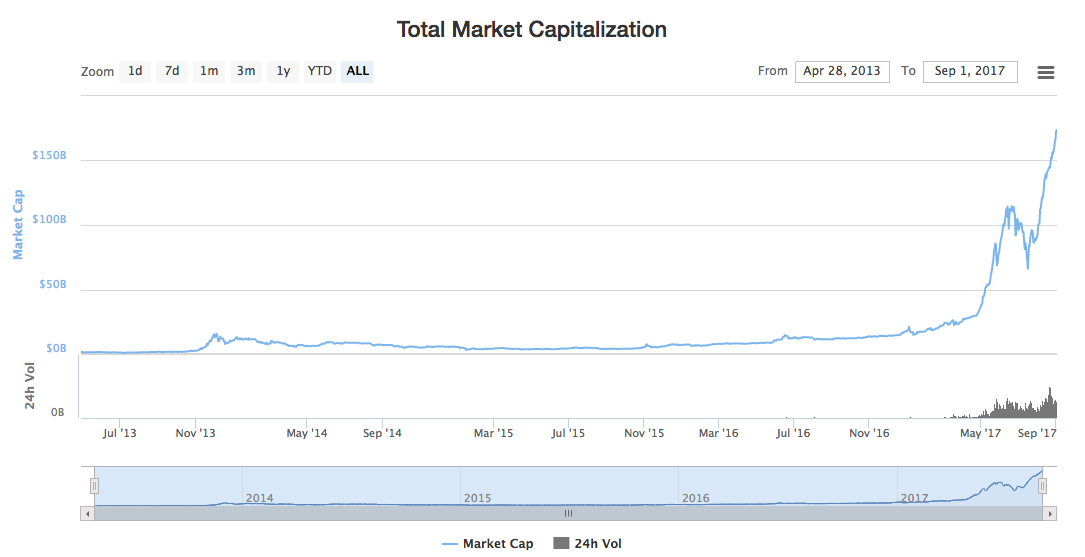
In the rapidly evolving world of finance, cryptocurrencies have emerged as a significant player, capturing the interest of investors and tech enthusiasts alike. Crypto coins, often simply referred to as cryptocurrencies, are digital currencies designed to work as a medium of exchange. They utilize cryptography for secure transactions, making them unique compared to traditional currencies. Their significance lies not only in their potential for high returns but also in their ability to revolutionize financial systems worldwide.Market capitalization, or market cap, is a crucial metric in the cryptocurrency space, representing the total value of a cryptocurrency in circulation.

It is calculated by multiplying the current price of a coin by its total supply. For instance, if a cryptocurrency has a price of $10 and there are 1 million coins in circulation, its market cap would be $10 million. This figure helps investors gauge the relative size and importance of a cryptocurrency within the market, providing insights into its stability and growth potential.

Popular Crypto Coins by Market Cap

Understanding Cryptocurrencies - 002 : Cryptocurrency Market Cap and ...

The cryptocurrency market is dominated by a few key players that hold significant market caps. The top five cryptocurrencies, based on their market cap, are Bitcoin, Ethereum, Binance Coin, Cardano, and Solana. Each of these coins boasts unique features that set them apart.

Cryptocurrency Market Cap Price Trading Volume
Bitcoin (BTC) $900 billion $45,000 $30 billion
Ethereum (ETH) $450 billion $3,200 $20 billion
Binance Coin (BNB) $100 billion $400 $1.5 billion
Cardano (ADA) $80 billion $1.20 $1 billion
Solana (SOL) $70 billion $150 $600 million

Historically, these cryptocurrencies have shown remarkable performance. Bitcoin, launched in 2009, remains the pioneer and continues to dominate the market. Ethereum introduced smart contracts, facilitating decentralized applications. Binance Coin, originally created for transaction fees on the Binance exchange, has expanded its utility significantly. Cardano focuses on sustainability and scalability, while Solana offers fast and low-cost transactions, making them attractive to developers and investors alike.

Factors Influencing Market Cap of Crypto Coins

Several factors contribute to the market cap of cryptocurrencies, reflecting their value and stability. Key influencers include supply and demand dynamics, market sentiment, and technological advancements. For instance, when demand for a cryptocurrency increases due to positive news or adoption by major companies, its market cap rises significantly. Recent events such as major corporations accepting Bitcoin as payment have notably impacted its market cap.Regulatory developments also play a critical role in shaping market caps.

For example, when governments implement favorable regulations, it can enhance investor confidence and lead to increased investment, thereby boosting the market capitalization of cryptocurrencies. Conversely, harsh regulations may lead to a decline in market cap as investors withdraw.

Comparison of Market Cap Among Different Crypto Coins

When comparing the market caps of leading cryptocurrencies with emerging ones, distinct differences are evident. Established cryptocurrencies like Bitcoin and Ethereum have market caps in the hundreds of billions, while newer entrants may only reach a few billion.

  • Benefits of High Market Cap Coins:
    • Greater stability and less volatility.
    • Wider acceptance and liquidity.
    • Established track record and community support.
  • Risks of High Market Cap Coins:
    • Potential for slower growth rates.
    • Increased scrutiny and regulatory risks.
  • Benefits of Low Market Cap Coins:
    • Potential for rapid growth and high returns.
    • Opportunity to invest early in innovative projects.
  • Risks of Low Market Cap Coins:
    • Higher volatility and risk of total loss.
    • Less liquidity, making it hard to sell.

Diversifying investments based on market cap can help mitigate risks and take advantage of growth opportunities in the crypto space.

Predictions for Future Crypto Market Caps

Looking ahead, predictions for the future market cap trends of major cryptocurrencies suggest a potential for growth, driven by technological developments and increased adoption. Analysts foresee Bitcoin maintaining its dominance, while Ethereum’s transition to Ethereum 2.0 could further enhance its market position.Market catalysts, such as institutional investments and advancements in blockchain technology, could significantly influence the growth trajectories of cryptocurrencies.

For instance, if major financial institutions increase their crypto holdings, it could lead to substantial market cap increases.

Year Projected Market Cap for Bitcoin Projected Market Cap for Ethereum
2024 $1 trillion $600 billion
2025 $1.5 trillion $1 trillion
2026 $2 trillion $1.5 trillion
2027 $2.5 trillion $2 trillion
2028 $3 trillion $2.5 trillion

Strategies for Investing in Crypto Coins by Market Cap

Total crypto market-cap hits 0M as Bitcoin and altcoins recover from ...

Investing in cryptocurrencies requires tailored strategies based on market cap segments. For large-cap coins, investors might focus on stability and long-term growth, while mid-cap coins may offer a balance of risk and reward. Small-cap coins can be highly speculative but also present significant growth opportunities.

  • Strategies for Large-Cap Investments:
    • Invest for the long term to ride out market fluctuations.
    • Monitor regulatory news to assess potential impacts.
  • Strategies for Mid-Cap Investments:
    • Research the project’s technology and team.
    • Diversify within this segment to manage risk.
  • Strategies for Small-Cap Investments:
    • Conduct thorough research to avoid scams.
    • Set clear exit strategies to secure profits.

“Investing in crypto based on market cap helped me navigate the volatility. I’ve seen substantial gains by diversifying my portfolio.”

A seasoned crypto investor

Final Thoughts

In summary, exploring crypto coins by market cap reveals a dynamic landscape where opportunities and challenges coexist. As we have seen, understanding market trends, individual coin characteristics, and the factors that influence their value is crucial for informed investment decisions. Staying updated on market movements will empower you to navigate this vibrant ecosystem effectively.

Helpful Answers

What is market capitalization in crypto?

Market capitalization is the total value of a cryptocurrency, calculated by multiplying its current price by the total supply of coins in circulation.

How often do market caps change?

Market caps can fluctuate rapidly due to changes in price and trading volume, often occurring within seconds during active trading periods.

Why should I consider market cap when investing?

Market cap can indicate the relative stability or risk of a cryptocurrency, with larger caps often being seen as safer investments compared to smaller caps.

Can a low market cap coin become popular?

Yes, low market cap coins can gain popularity and increase in value, but they also carry higher risk due to volatility and lower liquidity.

What tools can I use to track market cap?

There are several tools available, such as CoinMarketCap and CoinGecko, that provide real-time data on market caps, prices, and trading volumes.