April 23, 2026

Year: 2025

Cryptocurrencies companies are revolutionizing the way we think about money, finance, and transactions. As pioneers in the blockchain ecosystem, these firms not only enable trading and investment but also push the boundaries of technology and innovation. From humble beginnings, the cryptocurrency sector has evolved dramatically, challenging traditional financial institutions and presenting opportunities that were once inconceivable.

Through various business models like exchanges, wallets, and payment processors, these companies serve a diverse range of needs within the digital economy. As they navigate regulatory challenges and embrace cutting-edge technologies, cryptocurrencies companies are set to play a crucial role in shaping global finance in the years to come.

Overview of Cryptocurrency Companies

Cryptocurrency companies play a pivotal role in the ever-evolving blockchain ecosystem, serving as the backbone for transactions, storage, and the overall management of digital currencies. These entities encompass a wide range of services, from trading platforms to wallets and payment processing. Since the inception of Bitcoin in 2009, the landscape of cryptocurrency companies has transformed significantly, evolving from niche startups to major players in the global financial market.

Unlike traditional financial institutions, cryptocurrency companies operate with decentralized principles, enabling peer-to-peer transactions without the need for intermediaries.

Evolution of Cryptocurrency Companies

A Basic Guide On Creating A Cryptocurrency | Techno FAQ

Initially, cryptocurrency companies were limited to a small number of exchanges and mining operations, primarily catering to tech-savvy individuals. As the market matured, more diverse services emerged, including secure wallet solutions and payment processors that accept cryptocurrencies. Today, these companies boast a range of innovative products, utilizing advanced technologies to enhance user experience and security.

Differences from Traditional Financial Institutions

The distinctions between cryptocurrency companies and traditional financial institutions are profound. Cryptocurrency companies prioritize decentralization, transparency, and security, often utilizing blockchain technology to maintain trust and verification. Conversely, traditional banks and financial institutions are centralized, requiring users to trust a third party for transactions. This fundamental difference has led to the rise of alternative financial solutions driven by cryptocurrencies.

Types of Cryptocurrency Companies

Decoding the Future: Cryptocurrencies' Role in the Digital Economy

Cryptocurrency companies can be categorized into several types, each serving unique functions within the ecosystem.

  • Exchanges: Platforms like Binance and Coinbase facilitate the buying, selling, and trading of cryptocurrencies.
  • Wallets: Companies like Ledger and Trezor provide secure storage solutions for digital assets.
  • Payment Processors: Companies like BitPay and CoinGate enable merchants to accept cryptocurrency payments.
  • Mining Operations: Firms such as Bitmain are involved in the mining of cryptocurrencies, contributing to network security.

Each type of cryptocurrency company operates under different business models, with exchanges generating revenue through trading fees, while wallets may charge for premium security features.

Major Cryptocurrency Companies

Several cryptocurrency companies have established themselves as industry leaders based on market capitalization.

  • Binance: One of the largest crypto exchanges globally, offering a wide range of services including trading, staking, and a native cryptocurrency, BNB.
  • Coinbase: A user-friendly platform that simplifies the buying and selling of cryptocurrencies, making it accessible to newcomers.
  • Ethereum: Beyond a cryptocurrency, it provides a platform for decentralized applications and smart contracts.
  • Tether: A stablecoin that is widely used for trading and maintaining liquidity in the crypto market.

These companies significantly impact the global financial landscape, influencing everything from investment strategies to regulatory discussions.

Regulatory Environment

The regulatory landscape surrounding cryptocurrency companies varies greatly by region, with some countries embracing the technology while others impose strict restrictions.

  • In the United States, the SEC and CFTC provide oversight, defining how cryptocurrencies should be classified and regulated.
  • European countries are increasingly establishing comprehensive frameworks to protect consumers and ensure market stability.
  • In contrast, countries like China have banned cryptocurrency trading, reflecting a cautious approach toward digital currencies.

Regulations have significantly shaped the operations of cryptocurrency companies, compelling them to adopt compliance measures and engage with regulators to avoid legal pitfalls.

Innovations and Technologies

Cryptocurrency companies leverage cutting-edge technologies to enhance their services and improve security.

  • Blockchain: The underlying technology of cryptocurrencies that ensures transparency and security in transactions.
  • Smart Contracts: Self-executing contracts with the terms directly written into code, enabling automated agreements without intermediaries.
  • Decentralized Finance (DeFi): A movement that offers financial services without traditional banks, using blockchain technology to provide lending, borrowing, and trading.

Innovative products like decentralized exchanges (DEXs) and yield farming platforms illustrate how these advancements are reshaping traditional financial sectors.

Challenges Faced by Cryptocurrency Companies

Despite the rapid growth of the cryptocurrency sector, companies face several challenges, including security risks and market volatility.

  • Security Risks: Cryptocurrency companies must invest heavily in cybersecurity measures to protect against hacking and theft.
  • Market Volatility: Fluctuations in cryptocurrency prices create uncertainty, making it difficult for companies to maintain stable revenue.
  • Regulatory Challenges: Navigating the complex regulatory environment can strain resources and hinder innovation.

To build customer trust and ensure security, companies are implementing robust measures, including two-factor authentication and insurance for digital assets.

Future Trends in Cryptocurrency Companies

The cryptocurrency sector is poised for significant changes in the coming years.

  • Increased Regulation: Companies should prepare for more stringent regulations as governments seek to establish clear frameworks.
  • Adoption of Central Bank Digital Currencies (CBDCs): The emergence of CBDCs may alter the competitive landscape for cryptocurrency companies.
  • Integration with Traditional Finance: Ongoing partnerships between crypto firms and traditional financial institutions could enhance legitimacy and accessibility.

These trends indicate a shift towards a more regulated and integrated financial ecosystem.

Case Studies

Examining successful and failed cryptocurrency companies provides valuable insights into the industry’s dynamics.

  • Successful Case Study: Bitcoin: As the first cryptocurrency, Bitcoin’s journey demonstrates the potential of decentralized technology to disrupt traditional financial systems.
  • Failed Case Study: BitConnect: A notorious Ponzi scheme that collapsed, highlighting the importance of due diligence and skepticism in investment.

These case studies reinforce the critical lessons of innovation, trust, and the necessity for transparency in the cryptocurrency space.

Closing Notes

In conclusion, the landscape of cryptocurrencies companies is marked by rapid evolution and intense competition. As they strive to overcome challenges while harnessing innovative technologies, their impact on both the financial sector and consumer behavior is undeniable. Looking ahead, these companies will continue to adapt and grow, paving the way for a more inclusive and technologically advanced financial system.

Frequently Asked Questions

What are cryptocurrencies companies?

Cryptocurrencies companies are businesses that facilitate the use, exchange, and management of digital currencies using blockchain technology.

How do cryptocurrencies companies differ from traditional banks?

Cryptocurrencies companies operate on decentralized networks, offering more flexible and faster transactions compared to traditional banks, which are centralized and often slower.

What types of services do cryptocurrencies companies offer?

They provide a range of services including trading platforms, digital wallets, payment processing, and custody solutions for cryptocurrencies.

Are cryptocurrencies companies regulated?

Yes, the regulatory environment varies by region and can greatly influence how these companies operate, with many facing scrutiny to ensure compliance with financial laws.

What challenges do cryptocurrencies companies face?

They face issues like market volatility, security risks, and regulatory compliance, which require robust strategies to manage effectively.

With renq finance news today, we dive into the latest happenings and developments that are shaping the world of decentralized finance. This exploration not only highlights current trends but also reveals how RenQ Finance is positioning itself in an ever-evolving market landscape.

From technological advancements to key influencers and community feedback, this overview captures the essence of RenQ Finance’s journey and its impact on the broader DeFi sector, inviting both enthusiasts and investors to stay informed.

Current Trends in RenQ Finance

RenQ Finance has been navigating an evolving landscape in the decentralized finance (DeFi) sector. Recent developments highlight its growing market position and technological advancements. As more users turn to decentralized solutions, RenQ Finance is poised to play a pivotal role in the future of finance.

Recent Developments in Market Position

RenQ Finance has seen substantial growth, attracting a diverse user base and expanding its market share. The increase in demand for decentralized finance solutions has led to initiatives that enhance its competitive edge. Recent partnerships and collaborations have also bolstered its reputation, setting a solid foundation for further advancements.

Technological Advancements

Incorporating cutting-edge technologies has allowed RenQ Finance to optimize its platform. The implementation of Layer 2 solutions has significantly improved transaction speeds and reduced gas fees. Additionally, the integration of artificial intelligence and machine learning tools enhances user experience and security measures, making the platform more robust.

Current Financial Trends in DeFi

The DeFi sector is experiencing a surge in user adoption, with an increasing number of investors seeking decentralized solutions. RenQ Finance is strategically positioned to capitalize on this trend through its innovative offerings. The shift toward more sustainable financial practices and the growing emphasis on transparency are reshaping the DeFi landscape, directly impacting RenQ Finance’s operations.

Key Market Influencers

Understanding the influencers within the RenQ Finance ecosystem is essential for grasping its growth trajectory. These figures and partnerships play a crucial role in shaping the community’s perception and the platform’s direction.

Influential Figures in the Community

Key thought leaders and developers within the RenQ Finance community are instrumental in driving innovation and engagement. Their insights and expertise foster a collaborative environment that encourages continuous improvement and adaptation to market changes.

Partnerships Impacting Growth

Strategic partnerships have catalyzed RenQ Finance’s expansion. Collaborations with other blockchain projects and financial institutions not only enhance service offerings but also increase market visibility. These alliances are critical for securing liquidity and fostering an ecosystem conducive to growth.

Impact of Regulatory Changes

Regulatory developments significantly influence RenQ Finance operations. Adapting to new compliance requirements ensures the platform maintains credibility and user trust. Navigating this landscape is essential for sustaining growth and facilitating broader adoption within the financial sector.

Daily Performance Metrics

Analyzing RenQ Finance’s performance over the past week provides insights into its market dynamics and investor sentiment. The data reflects both the volatility and opportunities present in the DeFi space.

Weekly Performance Metrics

The following table summarizes the daily trading volume and price fluctuations observed for RenQ Finance:

Date Trading Volume ($) Price Fluctuation (%)
October 1 500,000 5%
October 2 600,000 3%
October 3 550,000 4%
October 4 650,000 2%
October 5 700,000 6%

Implications of Market Performance Data

The performance metrics indicate a steady increase in trading volume, reflecting growing interest from investors. Price fluctuations highlight the market’s volatile nature, which can impact investor sentiment. Understanding these trends is crucial for making informed investment decisions.

Comparisons with Competitors

RenQ Finance’s position can be better understood by comparing its features with those of its closest competitors. Identifying strengths and weaknesses allows for strategic enhancements to its offerings.

Feature Comparisons

RenQ Finance boasts several competitive advantages, including lower transaction fees and enhanced security protocols. However, it faces challenges in areas such as liquidity compared to larger players in the DeFi space.

Strengths and Weaknesses

Strengths

Low transaction fees

User-friendly interface

Strong community support –

Weaknesses

Limited liquidity compared to competitors

Fewer available trading pairs

Competitor Products and Services

A comprehensive list of competitor offerings illustrates the landscape in which RenQ Finance operates:

  • Uniswap: Decentralized exchanges with a large variety of tokens.
  • Aave: DeFi lending platform with diverse financial products.
  • Compound: Lending and borrowing platform with competitive rates.

Community Engagement and Feedback

Community sentiment plays a vital role in shaping RenQ Finance’s brand and implementation strategies. Engaging with users can lead to valuable insights and improvements.

Community Feedback Summary

Social media platforms are buzzing with discussions and feedback regarding RenQ Finance. Users appreciate the platform’s transparency and responsiveness, fostering a loyal community.

Role of Public Events

Public forums and events allow the RenQ Finance community to come together, share ideas, and provide feedback. These interactions are essential for building trust and enhancing user satisfaction.

Community Initiatives

RenQ Finance actively participates in several community initiatives aimed at education and outreach. These efforts include:

  • Workshops on DeFi education.
  • Community contests to engage users.
  • Collaborative projects with local blockchain groups.

Future Projections

Looking ahead, expert predictions suggest a positive trajectory for RenQ Finance, driven by market trends and user adoption.

Expert Predictions

Analysts anticipate that RenQ Finance will continue to expand its user base, potentially doubling its growth in the next quarter. Increased interest in DeFi solutions supports this optimistic outlook.

Market Conditions Influencing Future Growth

Factors such as regulatory clarity, technological advancements, and broader acceptance of cryptocurrencies will significantly influence RenQ Finance’s future. Market conditions are expected to remain favorable for innovative DeFi platforms.

Forecast Table for Growth Scenarios

A forecast displaying potential growth scenarios for RenQ Finance can be illustrated as follows:

Scenario Projected User Growth (%) Potential Market Cap ($)
Optimistic 100% 5,000,000
Moderate 50% 3,000,000
Pessimistic 20% 1,500,000

Epilogue

In summary, the landscape of RenQ Finance is dynamic, marked by continuous innovation and community engagement. As we look forward to future projections and potential growth, it’s clear that staying updated with renq finance news today is essential for anyone looking to navigate the complexities of the DeFi market.

Question Bank

What is RenQ Finance?

RenQ Finance is a decentralized finance platform aimed at providing users with a variety of financial services and tools.

How does RenQ Finance compare to its competitors?

RenQ Finance offers distinct features that may provide advantages over its closest rivals, such as unique staking options and community initiatives.

What recent technological advancements has RenQ Finance made?

Recent advancements include integrations of new blockchain technologies to enhance transaction efficiency and security.

How can I get involved with the RenQ Finance community?

Interested individuals can participate through social media channels, public forums, and community initiatives hosted by RenQ Finance.

What are the future projections for RenQ Finance?

Experts predict steady growth for RenQ Finance in the upcoming quarter, influenced by market conditions and ongoing developments.

Beginning with cryptocurrency company logo, the narrative unfolds in a compelling and distinctive manner, drawing readers into a story that promises to be both engaging and uniquely memorable.

In the rapidly evolving world of digital finance, a strong logo serves as the cornerstone of branding for cryptocurrency companies. This crucial visual element not only impacts consumer trust and perception but also acts as a differentiator in a crowded marketplace, setting companies apart and enhancing their visibility.

Importance of a Strong Logo for Cryptocurrency Companies

IMF Warns about Cryptocurrency - Economy news - Tasnim News Agency

In the fast-evolving world of cryptocurrency, establishing a strong brand identity is crucial for businesses. A logo is often the first point of interaction between a company and its potential customers, making it significant in building trust and perception. A well-crafted logo can communicate values, vision, and credibility, all of which are essential for attracting an audience in a competitive market.Branding plays a pivotal role in the success of cryptocurrency ventures.

A strong logo can enhance consumer trust by evoking professionalism and reliability. In an industry often viewed with skepticism, a distinctive and appealing logo helps alleviate concerns, positioning the company as a trustworthy player. Moreover, in a saturated market filled with numerous blockchain projects and tokens, an effective logo serves as a visual identifier that differentiates a company from its competitors, facilitating customer recognition and recall.

Elements of Effective Cryptocurrency Logos

Creating an impactful logo for a cryptocurrency company requires careful consideration of various design elements. An effective logo should encapsulate the essence of the brand while being memorable and scalable. The following are key design components to consider:

  • Simplicity: A clear and uncluttered design ensures that the logo is easily recognizable.
  • Color Schemes: Colors evoke emotions and associations. Blue often conveys trust, while green may represent growth. Bright colors like orange can imply innovation.
  • Typography: The choice of font can influence perception; bold fonts may suggest strength, whereas sleek, modern fonts can imply forward-thinking.

Colors that resonate well with the crypto audience often include blue, green, and gold. These shades not only reflect technology and finance but also inspire confidence. Typography choices should align with the brand’s message; for instance, sans-serif fonts can convey modernity and approachability, making them popular in crypto branding.

Case Studies of Successful Cryptocurrency Logos

Examining successful cryptocurrency logos provides valuable insights into effective design choices. Notable examples include Bitcoin, Ethereum, and Ripple, each with distinctive logos that reflect their brand identities. Bitcoin’s logo, a simple orange circle with a white “B,” is effective due to its minimalism and bold color. The design is easily recognizable and has become synonymous with cryptocurrency as a whole.

Ethereum’s logo, featuring a diamond shape, symbolizes decentralization and sophistication, appealing to a tech-savvy audience. Ripple’s logo, with its flowing curves, conveys a sense of movement and connectivity, highlighting its focus on global transactions.Common themes observed in these logos include simplicity, recognizability, and thematic representation of the company’s mission. Over time, many successful logos have adapted slightly to stay relevant while retaining their core elements, demonstrating the importance of evolution in branding.

Trends in Cryptocurrency Logo Design

As the cryptocurrency landscape continues to evolve, so do logo design trends within the industry. Currently, several emerging styles are shaping the way logos are created for crypto companies.

  • Geometric Shapes: Many logos are incorporating geometric patterns for a modern feel.
  • Gradient Colors: Gradients are becoming popular as they add depth and a sense of innovation.
  • Abstract Designs: Logos with abstract elements are gaining traction, allowing brands to express complex ideas in a simplified form.

Technology is playing a significant role in influencing logo design methods. Tools such as AI-driven design software enable faster iterations and creative exploration, allowing companies to experiment with different styles and concepts efficiently.

Designing a Logo for a New Cryptocurrency Company

Creating a logo for a startup in the cryptocurrency space requires a structured approach to ensure the final design aligns with the brand’s goals. Here’s a step-by-step guide to designing an effective logo:

  1. Define Brand Identity: Understand the mission, values, and target audience of the cryptocurrency company.
  2. Research Competitors: Analyze existing logos in the market to identify trends and opportunities for differentiation.
  3. Sketch Ideas: Begin brainstorming and sketching logo concepts that embody the brand’s identity.
  4. Select Color Palette: Choose colors that resonate with the target audience and reflect the brand’s message.
  5. Choose Typography: Select fonts that enhance readability and align with the brand’s personality.
  6. Refine and Test: Create digital versions of the best designs and test them for feedback before finalizing.

When collaborating with designers, clear communication of vision and requirements is vital. Provide a comprehensive brief that includes design preferences, brand values, and any specific elements to consider. This collaboration can help ensure that the resulting logo accurately reflects the desired brand message.

Cultural Considerations in Cryptocurrency Logo Design

In today’s global market, cultural relevance in logo design is essential for cryptocurrency companies aiming to appeal to diverse audiences. Understanding cultural symbols and imagery can enhance recognition and acceptance among different demographics.Cryptocurrency logos that successfully integrate cultural elements often reference themes familiar to specific regions or communities. For example, a logo might incorporate traditional colors or symbols that resonate with local customs, reinforcing a sense of belonging and trust.

Logos like Binance’s, which features a sleek design with a hexagonal pattern, symbolize innovation while remaining culturally neutral, making it suitable for a global audience. Such thoughtful integration of cultural nuances in design can elevate a brand’s appeal in various markets.

The Impact of Logos on Marketing Strategies for Cryptocurrency Companies

A well-designed logo is a cornerstone of effective marketing strategies for cryptocurrency firms. It plays a vital role in enhancing brand visibility and recognition across different channels. A strong logo not only captures attention but also serves as a consistent visual anchor that consumers can rely on.To effectively incorporate logos into digital marketing campaigns, companies should consider the following methods:

  • Social Media Presence: Utilize the logo as a profile picture and in post graphics to reinforce brand identity.
  • Email Marketing: Include the logo in email signatures and promotional materials to enhance professionalism.
  • Website Branding: Ensure the logo is prominently displayed on the website, enhancing credibility and trust.

Maintaining brand consistency across different platforms is crucial. This includes using the logo in the same colors and styles across all marketing materials. Consistency reinforces brand recognition and helps build a loyal customer base in the ever-changing world of cryptocurrency.

Concluding Remarks

Internet – Monolito Nimbus

In summary, the significance of a well-designed cryptocurrency company logo cannot be overstated. It is not merely a graphic but a powerful symbol that encapsulates a brand’s values and identity, driving consumer recognition and loyalty in an increasingly competitive industry.

Question Bank

Why is a logo important for cryptocurrency companies?

A logo helps establish brand identity, builds trust, and differentiates a company in a competitive market.

What elements should be considered in logo design?

Key elements include color schemes, typography, and symbols that resonate with the target audience.

How can a logo influence consumer perception?

A well-designed logo can create a sense of professionalism, reliability, and innovation, positively influencing consumer perception.

What are current trends in cryptocurrency logo design?

Trends include minimalism, geometric shapes, and the use of vibrant colors that reflect technology and modernity.

How can cultural considerations impact logo design?

Incorporating culturally relevant symbols can enhance relatability and acceptance among diverse demographics in the crypto community.

With crypto company funding at the forefront, this world of finance offers fascinating opportunities for innovative ventures. As blockchain technology gains traction, understanding how these companies secure their funding becomes increasingly vital for investors, entrepreneurs, and enthusiasts alike.

Crypto company funding encompasses various mechanisms and trends that have emerged in the dynamic landscape of digital currencies. With sources ranging from initial coin offerings (ICOs) to venture capital investments, the funding environment is constantly evolving, highlighting its importance in shaping the future of the blockchain ecosystem.

Overview of Crypto Company Funding

Crypto company funding plays a vital role in the blockchain ecosystem, providing essential resources for innovative projects and startups in the cryptocurrency space. It encompasses various methods through which companies raise capital, facilitating the development and expansion of blockchain technologies. Understanding the funding landscape is crucial as it directly impacts the growth and sustainability of crypto ventures.There are multiple sources of funding available for crypto companies, each with its unique characteristics.

These include venture capital, initial coin offerings (ICOs), crowdfunding, and traditional financing methods. Over the past few years, trends in crypto funding have undergone significant changes, influenced by market dynamics, regulatory developments, and investor sentiment.

Types of Funding Mechanisms

Initial coin offerings (ICOs) have emerged as a popular funding mechanism, allowing companies to raise capital by issuing their own tokens to investors in exchange for established cryptocurrencies like Bitcoin or Ethereum. ICOs function as a means of crowdfunding, enabling projects to bypass traditional fundraising routes. However, they come with risks, including regulatory scrutiny and market volatility.Venture capital investment in crypto companies has been on the rise, with numerous firms recognizing the potential of blockchain technology.

This type of funding often provides not only capital but also strategic guidance and networking opportunities, significantly impacting a startup’s success. The influx of venture capital has led to increased competition and innovation within the crypto space.Crowdfunding has also gained traction, allowing crypto projects to raise funds from a broader audience. While it democratizes access to investment opportunities, crowdfunding in the cryptocurrency space presents its own set of challenges, such as regulatory compliance and the difficulty in building trust with potential investors.

Regulatory Environment

The regulatory environment governing crypto funding varies significantly across jurisdictions, with some countries embracing blockchain technologies and others imposing strict regulations. In regions like the United States and the European Union, regulatory bodies are actively working to establish frameworks that protect investors while fostering innovation. These regulations shape funding strategies for crypto companies, influencing how they structure their fundraising efforts.Different countries regulate crypto funding practices in diverse ways.

For instance, while countries like Switzerland have created favorable conditions for ICOs, others like China have banned them altogether. This disparity means crypto companies must navigate a complex landscape of regulations to secure funding effectively, often requiring legal expertise and strategic planning.

Case Studies of Successful Funding

Several crypto companies have successfully navigated the funding landscape, employing innovative strategies that set them apart. For example, Ethereum’s ICO in 2014 raised over $18 million, paving the way for the development of decentralized applications on its platform. Similarly, projects like Binance and Filecoin have leveraged unique funding approaches to attract significant investments.Innovative funding approaches utilized by crypto startups include hybrid models combining ICOs with venture capital, enabling them to tap into diverse funding sources while maintaining a degree of regulatory compliance.

The table below showcases notable funding rounds of successful crypto projects, highlighting the amounts raised and the major investors involved.

Project Amount Raised Investors
Ethereum $18 million Various individual investors
Binance $15 million Several venture capital firms
Filecoin $257 million Andreessen Horowitz, Union Square Ventures

Challenges in Crypto Funding

Crypto companies often face several challenges while seeking funding. These challenges include regulatory hurdles, market volatility, and a general lack of trust in new projects. Investors may be hesitant to engage with crypto startups due to the risk of fraud or project failure, making it essential for companies to establish credibility and transparency.Market volatility significantly impacts fundraising efforts within the crypto sector.

A downturn in cryptocurrency prices can deter potential investors, making it difficult for companies to raise capital at favorable valuations. To overcome these hurdles, crypto companies can focus on building strong partnerships, enhancing their market presence, and actively engaging with their communities to foster trust and interest.

Future Trends in Crypto Company Funding

The State of Crypto Fundraising - Cryptorank News

Emerging trends are poised to shape the future of crypto funding significantly. One notable trend is the rise of decentralized finance (DeFi), which offers new funding mechanisms that allow projects to launch without traditional intermediaries. Additionally, advancements in blockchain technology are streamlining the funding process, making it more accessible and efficient for startups.Technologies such as smart contracts are influencing funding processes in the cryptocurrency landscape, enabling automated and trustless transactions.

This innovation enhances security and reduces the likelihood of fraud, encouraging more investors to participate in the crypto funding ecosystem.Looking ahead, several predictions can be made regarding crypto funding developments over the next decade. These include:

  • Increased regulatory clarity, leading to more institutional investment.
  • Expansion of DeFi platforms that facilitate seamless funding for startups.
  • Greater integration of AI and machine learning to assess investment risks and opportunities.

Last Recap

Crypto Funding Rates 2023: Understanding Their Impact on Trading and ...

In conclusion, navigating the complexities of crypto company funding reveals both challenges and opportunities for the industry. As emerging trends and technologies continue to reshape funding strategies, staying informed about these developments will be essential for those looking to engage with this vibrant market.

FAQ Compilation

What are initial coin offerings (ICOs)?

ICOs are a fundraising method where new cryptocurrencies are sold to investors in exchange for established cryptocurrencies like Bitcoin or Ethereum.

How does venture capital differ from ICOs?

Venture capital involves private investors funding companies in exchange for equity, while ICOs typically offer tokens that do not represent equity ownership.

What challenges do crypto companies face when seeking funding?

Common challenges include regulatory uncertainty, market volatility, and public perception of cryptocurrencies.

How can crypto companies overcome funding hurdles?

Companies can enhance credibility through transparent operations, engage with regulatory bodies, and develop robust business models to attract investors.

What future trends are expected in crypto funding?

Emerging trends include the rise of decentralized finance (DeFi), the incorporation of artificial intelligence in funding decisions, and increased regulation surrounding crypto investments.

Bitcoin options meaning introduces a fascinating aspect of the cryptocurrency world, where traders can engage in contracts that give them the right, but not the obligation, to buy or sell bitcoin at a predetermined price. This financial instrument has become increasingly popular, allowing investors to hedge their positions or speculate on price movements without directly owning the underlying asset.

Understanding how bitcoin options function is essential for anyone looking to navigate the complexities of the crypto market. These options can be used in various scenarios, from risk management to leveraging potential gains, making them a versatile tool for both novice and seasoned traders alike.

Introduction to Bitcoin Options

Bitcoin options are a financial derivative that provides traders with the right, but not the obligation, to buy or sell bitcoin at a predetermined price within a specified time frame. They play a crucial role in the cryptocurrency market by offering traders flexibility and additional strategies for risk management. Unlike traditional bitcoin trading, where transactions result in the actual exchange of the cryptocurrency, options allow traders to bet on the future price movements without needing to own the underlying asset.The basic mechanics of how bitcoin options function involve two key components: the strike price and the expiration date.

The strike price is the price at which the option can be exercised, while the expiration date is the deadline by which the option must be exercised or it will become worthless. For instance, if a trader believes that the price of bitcoin will rise, they might purchase a call option, which would allow them to buy the asset at a lower price if their prediction comes true.Examples of scenarios where bitcoin options can be utilized include hedging against potential losses in a volatile market or speculating on price movements without investing significant capital upfront.

Traders can profit from both increasing and decreasing markets by using put options to bet on price declines, providing a versatile tool in their investment strategies.

Types of Bitcoin Options

Bitcoin options primarily come in two forms: call options and put options. Call options give the holder the right to buy bitcoin at the strike price, making them useful for traders anticipating a price increase. Conversely, put options allow the holder to sell bitcoin at the strike price, serving as a hedge against declining prices. This dual structure provides traders with opportunities for profit in various market conditions.Additionally, there are exotic options, which are more complex than standard options.

Exotic options can include features such as different payout structures or conditions under which they can be exercised. They cater to more sophisticated trading strategies and can involve multiple assets or specific market conditions. Popular bitcoin option contracts available in the market include standard call and put options, as well as exotic ones like Asian options, which base their payoff on the average price of bitcoin over a certain period.

Pricing of Bitcoin Options

The pricing of bitcoin options is influenced by several key factors, including the current price of bitcoin, the strike price of the option, the time until expiration, the volatility of bitcoin, and prevailing interest rates. These factors interact in complex ways to determine the option’s premium or market price. Various pricing models are used for bitcoin options, with the Black-Scholes model being one of the most common.

This model calculates the theoretical price of options based on the aforementioned factors. The Black-Scholes formula is particularly noteworthy because it accounts for time decay and volatility, which are critical in a highly volatile market like cryptocurrencies.Here’s a table of example pricing factors and their impact on option value:

Pricing Factor Impact on Option Value
Current Price of Bitcoin Higher prices increase call option values and decrease put option values.
Strike Price Lower strike prices increase call option values and decrease put option values.
Time Until Expiration More time increases both call and put option values due to the potential for price movement.
Volatility Higher volatility typically increases the value of both call and put options.
Interest Rates Higher interest rates can increase call option values as the cost of carry becomes more significant.

Trading Bitcoin Options

Trading bitcoin options can be accomplished through various exchanges that facilitate such transactions. The process typically involves creating an account on a trading platform, funding the account, and selecting the desired option contracts to trade. Traders must also analyze the market conditions to make informed decisions about which options to buy or sell.To execute a bitcoin options trade, follow this step-by-step guide:

  1. Create an account on a reputable trading platform that offers bitcoin options.
  2. Complete any necessary verification processes required by the platform.
  3. Deposit funds into your trading account.
  4. Navigate to the options trading section and select the type of option you wish to trade.
  5. Choose the strike price and expiration date that meets your trading objectives.
  6. Confirm your trade and monitor the option’s performance as the expiration date approaches.

Different platforms offer various features for trading bitcoin options, including user interfaces, fees, and available trading pairs. Popular platforms include Deribit, LedgerX, and Binance, each with its own strengths. Traders should carefully compare these platforms to choose the one that best suits their trading style and needs.

Risks Associated with Bitcoin Options

Trading bitcoin options carries several key risks. The most significant risk is the potential for total loss of the premium paid for the options if they expire worthless. Additionally, the high volatility of bitcoin can lead to rapid price changes, increasing the complexity of predicting market movements.To mitigate risks while trading options, traders can adopt several strategies such as diversifying their options positions, using stop-loss orders, and closely monitoring market trends.

Historical case studies have shown significant losses in bitcoin options trading, particularly during periods of extreme volatility. For instance, the 2018 cryptocurrency market crash led to substantial losses for many options traders who failed to hedge their positions effectively.

Strategies for Trading Bitcoin Options

Common trading strategies used with bitcoin options include straddles and spreads. A straddle involves buying both a call and put option at the same strike price and expiration date, allowing traders to profit from large price movements in either direction. Spreads, on the other hand, involve simultaneously buying and selling options to reduce risk and capitalize on minor price changes.Market analysis plays a critical role in selecting the appropriate trading strategy.

Traders must assess current market conditions, sentiment, and technical indicators to determine the best approach to maximize profits while minimizing risks. Here’s an example table comparing the effectiveness of various strategies:

Strategy Effectiveness Risk Level
Straddle High profit potential in volatile markets Medium
Spread Reduced risk with limited profit potential Low
Covered Call Generates income on held bitcoin Medium

Future Trends in Bitcoin Options

The landscape of bitcoin options is evolving, with increasing institutional interest and the introduction of more sophisticated financial products. As more traders participate in the options market, liquidity is expected to improve, leading to tighter spreads and better pricing.Emerging technologies such as blockchain-based options platforms may revolutionize how options are traded, offering greater transparency and security. Additionally, the anticipated regulatory changes surrounding cryptocurrencies could impact the trading environment for bitcoin options, with many anticipating clearer guidelines from governments worldwide.As the market matures, the potential for innovative products, such as decentralized options, may also emerge, reflecting a significant shift in how traders approach bitcoin options in the future.

Ultimate Conclusion

In conclusion, diving into the world of bitcoin options meaning reveals a dynamic and ever-evolving landscape that can empower traders with new strategies and opportunities. By grasping the fundamental concepts and mechanics involved, investors can harness the potential of these financial instruments while being aware of the associated risks. As the market continues to develop, staying informed about trends and regulations will be crucial for success in bitcoin options trading.

FAQ Section

What are bitcoin options?

Bitcoin options are contracts that give the buyer the right to buy or sell bitcoin at a specified price before a certain date.

How do bitcoin options work?

They function by allowing traders to speculate on the price of bitcoin without owning the asset, using call options to buy or put options to sell.

What is the difference between call options and put options?

Call options allow the purchase of bitcoin at a set price, while put options allow the sale of bitcoin at a predetermined price.

What factors affect bitcoin options pricing?

Factors include the current price of bitcoin, strike price, time until expiration, market volatility, and interest rates.

Are there risks in trading bitcoin options?

Yes, risks include market volatility, time decay, and the potential for significant losses if the market moves against your position.

Business marketing quizlet unfolds the fascinating world of marketing strategies specifically designed for businesses. As companies continue to navigate an ever-evolving economic landscape, understanding the nuances of business marketing becomes crucial for success. This overview offers a glimpse into the significance of tailored marketing approaches, their differences from consumer marketing, and the key objectives that define successful business marketing strategies.

From identifying key industries that thrive through effective marketing to exploring the tools and technologies that propel businesses forward, this guide serves as a comprehensive resource for anyone looking to deepen their understanding of business marketing. With a focus on both traditional and digital strategies, it highlights the critical role marketing plays in various sectors and the ever-growing importance of adapting to new trends and technologies.

Introduction to Business Marketing

Business marketing, also known as B2B (business-to-business) marketing, refers to the strategies and techniques employed by companies to promote their products and services to other businesses rather than individual consumers. In today’s economy, business marketing is crucial as it drives the purchasing decisions of companies, influencing their operational efficiency and profitability. The significance of business marketing lies in its ability to build relationships, create brand loyalty, and improve market presence among businesses.The primary distinction between business marketing and consumer marketing is the target audience.

While consumer marketing focuses on individual buyers, business marketing addresses the needs of organizations. Additionally, the purchasing process in business marketing often involves multiple stakeholders and longer decision-making cycles compared to consumer marketing. The primary objectives of business marketing strategies include generating leads, nurturing relationships, enhancing brand recognition, and ultimately driving sales.

Importance of Business Marketing in Various Industries

Business marketing plays a pivotal role across various industries, significantly impacting their growth and development. Industries such as technology, healthcare, and retail leverage business marketing to enhance their market share and customer engagement.

  • In the technology sector, businesses utilize targeted marketing campaigns to promote software and hardware solutions, often engaging with IT departments of other companies to tailor their offerings.
  • The healthcare industry benefits from business marketing through effective communication of medical products and services to hospitals and clinics, improving patient care and operational efficiency.
  • Retailers increasingly adopt business marketing strategies to enhance partnerships with suppliers and distributors, optimizing their supply chains and product offerings.

Case studies showcase successful implementations, such as a technology firm that increased its market share by 30% through a targeted B2B marketing campaign aimed at healthcare providers, highlighting the effectiveness of strategic business marketing.

Business Marketing Strategies

A comprehensive list of effective business marketing strategies includes:

  • Content Marketing: Creating valuable content to engage and inform potential customers.
  • Email Marketing: Using targeted email campaigns to nurture leads and maintain customer relationships.
  • Search Engine Optimization (): Enhancing online visibility to attract more business prospects.
  • Networking: Building relationships through industry events and conferences to generate leads.
  • Social Media Marketing: Utilizing platforms like LinkedIn to connect with other businesses and showcase expertise.

Digital marketing has become a cornerstone of contemporary business marketing efforts. It enables businesses to reach a broader audience efficiently and cost-effectively. Traditional marketing methods, such as print advertising and direct mail, still hold relevance today, particularly in industries that prioritize personal relationships and direct communication.

Tools and Technologies in Business Marketing

Essential tools for business marketing include customer relationship management (CRM) systems, which are vital for managing interactions with potential and current customers. These systems help businesses streamline processes, improve customer service, and analyze data effectively.Data analytics has a profound impact on business marketing decisions, allowing companies to make informed choices based on consumer behavior and market trends. By leveraging analytics, businesses can optimize their marketing strategies and enhance overall performance.

Measuring Business Marketing Success

Key performance indicators (KPIs) used to evaluate marketing effectiveness encompass metrics such as lead conversion rates, customer acquisition costs, and return on investment (ROI). Utilizing various metrics enables businesses to track performance and assess the success of their marketing initiatives.To gather and analyze customer feedback effectively, businesses can implement surveys, interviews, and feedback forms. This data is crucial for continuous improvement, allowing companies to refine their marketing strategies and better meet customer needs.

Challenges in Business Marketing

Common challenges faced by businesses in marketing their products or services include market saturation, changing consumer preferences, and budget constraints. Overcoming these obstacles requires innovative strategies and adaptability.Businesses can employ various strategies to mitigate these challenges, such as investing in market research to understand consumer behavior and adjusting marketing campaigns accordingly. Adapting marketing strategies to changing market conditions is essential for long-term success and sustainability.

Future Trends in Business Marketing

Emerging trends shaping the future of business marketing include the increasing use of artificial intelligence (AI) and automation in marketing processes. These technologies enhance efficiency and enable personalized marketing at scale.Sustainability is also becoming a crucial consideration in future marketing practices, with businesses focusing on eco-friendly practices and transparent communications about their sustainability efforts to resonate with environmentally conscious consumers.

Resources for Learning Business Marketing

To deepen knowledge in business marketing, recommended resources include:

  • Books: “Business Marketing: Text and Cases” by Rajendra K. Srivastava and “B2B Marketing Strategy” by M. B. Elzinga.
  • Online Courses: Platforms like Coursera and LinkedIn Learning offer courses on business marketing fundamentals.
  • Websites and Forums: Websites like HubSpot and the American Marketing Association provide valuable insights and networking opportunities.

Networking opportunities within the business marketing community can be found through industry conferences, webinars, and professional associations, fostering connections that can lead to collaboration and growth.

Final Thoughts

In conclusion, mastering business marketing is not just about implementing strategies; it’s about understanding the dynamic landscape in which businesses operate. As we’ve explored, leveraging the right tools, measuring success accurately, and anticipating future trends are all integral to achieving marketing excellence. With the insights shared in this guide, businesses can equip themselves to tackle challenges head-on and make informed decisions that lead to sustained growth and success in the marketplace.

General Inquiries

What is business marketing?

Business marketing refers to the strategies and tactics used by companies to promote products and services to other businesses rather than individual consumers.

How does business marketing differ from consumer marketing?

Business marketing targets other businesses in need of products or services, while consumer marketing focuses on individual end-users.

What are some effective business marketing strategies?

Effective business marketing strategies include content marketing, social media engagement, email marketing, and leveraging customer relationship management systems.

Why is measuring marketing success important?

Measuring marketing success helps businesses understand the effectiveness of their strategies, enabling them to make data-driven decisions and improve future campaigns.

What future trends should businesses watch in marketing?

Emerging trends include the use of artificial intelligence, automation, and a growing focus on sustainability in marketing practices.

Bitcoin jargon is the unique language that shapes the conversation within the cryptocurrency realm, offering enthusiasts a way to navigate its complexities. This specialized vocabulary not only reflects the culture of the bitcoin community but also facilitates understanding among investors and newcomers alike. As bitcoin continues to evolve, so does the jargon surrounding it, making it essential for anyone involved to familiarize themselves with these terms.

In this discussion, we will delve into the significance of bitcoin jargon, exploring key terms, transaction concepts, trading terminology, and the informal language used within the community. By grasping this jargon, you can enhance your comprehension of bitcoin and engage more effectively in conversations that shape its future.

Understanding Bitcoin Jargon

Bitcoin has surged in popularity, capturing the attention of investors, technologists, and the general public. However, with its rise comes a unique lexicon that can be quite intimidating for newcomers. Understanding bitcoin jargon is crucial for anyone looking to engage meaningfully in discussions about cryptocurrency. This article dives into the essential terms, their meanings, and how they have evolved over time.

Definition of Bitcoin Jargon

Bitcoin jargon refers to the specialized language and terminology used within the cryptocurrency community. This jargon is significant as it helps facilitate communication among users, investors, and developers, enabling them to navigate the complex world of bitcoin and blockchain technology efficiently.

  • Bitcoin: The first decentralized digital currency, created in 2009.
  • Blockchain: A distributed ledger technology underlying bitcoin transactions.
  • Mining: The process of validating transactions and adding them to the blockchain.
  • Wallet: A digital tool that allows users to store, send, and receive bitcoins.

Since its inception, bitcoin jargon has evolved dramatically. Initially, terms like “mining” and “blockchain” were introduced primarily for technical discussions. As the cryptocurrency gained mainstream attention, new terms emerged, and the existing ones expanded in meaning, reflecting the growth of the market and the community.

Key Terms in Bitcoin

Understanding key terms is fundamental for anyone involved in the world of bitcoin. Here’s a closer look at some essential terms:

Term Definition
Blockchain A public ledger containing all transaction data in a secure and immutable format.
Mining The process of solving cryptographic puzzles to validate transactions and earn bitcoins.
Wallet A software application or hardware device used to store bitcoin securely.

For instance, in discussions about bitcoin, someone might say, “I just moved my bitcoins to a secure wallet after mining for a few months,” showcasing how these terms are interrelated.

Understanding Bitcoin Transactions

When engaging with bitcoin, it’s essential to understand the intricacies of bitcoin transactions. Key concepts include hash rate and transaction fees, which play critical roles in the network’s functionality.

  • Hash Rate: The speed at which a miner can solve cryptographic puzzles, directly affecting the mining process’s efficiency.
  • Transaction Fees: Fees paid by users to incentivize miners to prioritize their transactions.

Processing a bitcoin transaction typically involves the following steps:

  • A user creates a transaction and broadcasts it to the network.
  • Miners collect the transaction in a block.
  • Miners validate the block by solving a cryptographic puzzle.
  • The validated block is added to the blockchain.
  • The transaction is confirmed and completed.

Understanding transaction jargon is vital for new users, as it helps them make informed decisions regarding fees and transaction speeds.

Bitcoin Trading Terminology

In the trading arena, specific jargon can significantly impact investment strategies. Understanding terms like “bull market” and “bear market” is crucial for any trader.

Term Implication
Bull Market A market condition characterized by rising prices and investor optimism.
Bear Market A market condition marked by falling prices and widespread pessimism.
Stop-Loss An order placed to sell an asset when it reaches a certain price, limiting potential losses.

Case studies have shown how understanding these terms can influence trading decisions. For example, during a bull market, traders may adopt more aggressive strategies, while in a bear market, they might focus on risk management.

Bitcoin Community Language

The bitcoin community has developed its informal language and slang, creating a unique culture that fosters camaraderie among its members.

  • HODL: A misspelling of “hold,” it means to keep your bitcoins rather than selling them.
  • FOMO: Fear of missing out, often referencing the anxiety investors feel about missing a market opportunity.
  • FUD: Fear, uncertainty, and doubt, used to describe negative information spread to manipulate the market.

This community jargon not only serves practical purposes but also fosters a sense of belonging among users who share similar experiences and knowledge.

The Importance of Learning Bitcoin Jargon

Understanding bitcoin terminology provides significant advantages for investors. It enhances communication, facilitates better decision-making, and allows for informed discussions about market trends.For beginners, a structured approach to learning bitcoin jargon can be beneficial. This might include:

  • Starting with common terms and gradually expanding knowledge.
  • Engaging with community forums and discussions to see jargon in context.
  • Utilizing educational resources like online courses and webinars.

Testimonials from experienced users often highlight the transformative impact of jargon knowledge. Many express that understanding the language has improved their confidence and ability to navigate the cryptocurrency landscape effectively.

Resources for Learning Bitcoin Jargon

There is a wealth of resources available for those looking to familiarize themselves with bitcoin jargon. These include books, websites, and forums dedicated to the subject.

Resource Strengths Weaknesses
Bitcoin Whitepaper Authoritative source by Satoshi Nakamoto. Technical language may be challenging for beginners.
Online Forums (e.g., Reddit) Community-driven discussions. Quality of information can vary widely.
Bitcoin Courses on Platforms like Coursera Structured learning with expert insights. Some courses may require payment.

For those interested in diving deeper, online courses focusing on bitcoin terminology can provide a comprehensive understanding of the language and its implications in the cryptocurrency market.

Summary

In summary, understanding bitcoin jargon is not just beneficial—it’s crucial for anyone looking to thrive in the cryptocurrency landscape. With a solid grasp of the terms and concepts discussed, you can confidently navigate transactions, trading, and community engagement. As bitcoin continues to expand, the importance of this specialized language will only grow, serving as a bridge between seasoned investors and newcomers eager to learn.

FAQ Guide

What is bitcoin jargon?

Bitcoin jargon refers to the specialized terminology and slang used within the cryptocurrency community to describe concepts, processes, and market dynamics related to bitcoin.

Why is understanding bitcoin jargon important?

Understanding bitcoin jargon is important because it allows investors and users to communicate effectively, make informed decisions, and navigate the complexities of the cryptocurrency market.

How can beginners learn bitcoin jargon?

Beginners can learn bitcoin jargon through online resources, community forums, educational courses, and by engaging with experienced users in the bitcoin community.

What are some common bitcoin jargon terms?

Common bitcoin jargon terms include ‘wallet’, ‘blockchain’, ‘mining’, ‘hash rate’, and ‘bull market’, each representing a fundamental concept within the cryptocurrency ecosystem.

Where can I find resources to learn more about bitcoin jargon?

Resources for learning bitcoin jargon include books, educational websites, online forums, and dedicated courses that focus on cryptocurrency terminology and concepts.

Bitcoin, a revolutionary digital currency, is rapidly gaining popularity. Cash App, a widely used mobile payment platform, now allows users to buy and send Bitcoin. This guide provides a comprehensive overview of the process, exploring the advantages and risks involved.

This detailed exploration will cover everything from the fundamentals of Bitcoin to the practical steps of buying and sending Bitcoin through Cash App. We’ll also compare Cash App to other Bitcoin platforms and examine the security considerations that are essential when engaging with cryptocurrencies.

Introduction to Bitcoin Buying

Buy 2 Get 1 Free Promotional Banner Vector, Buy Two Get One Free, Get 1 ...

Bitcoin is a decentralized digital currency, meaning it’s not controlled by any single government or institution. Transactions are verified and recorded on a public ledger called the blockchain, making it transparent and secure. This characteristic allows for peer-to-peer transactions without intermediaries.Understanding the process of acquiring Bitcoin is crucial for anyone considering investing in or using this cryptocurrency. This involves several key steps, from choosing a reputable platform to securing your digital assets.

Different approaches and platforms cater to various needs and risk tolerances.

Bitcoin Acquisition Process

Acquiring Bitcoin typically involves several steps: choosing a reputable exchange, funding your account, placing a buy order, and receiving your Bitcoin into a designated wallet. Each step has inherent security considerations that should be carefully addressed.

Methods of Purchasing Bitcoin

Several methods allow you to purchase Bitcoin. The most common include using bank transfers, credit/debit cards, and other cryptocurrency exchanges. Each method has associated fees and transaction times that vary depending on the platform.

  • Bank Transfers: This method often involves a direct transfer from your bank account to the exchange’s designated account. It typically takes a few business days for the funds to clear, and the exchange may impose a fee for this service. Bank transfer transactions can be traced back to the user’s account, which might raise concerns regarding privacy.

  • Credit/Debit Cards: This method is often faster than bank transfers, but it may have higher fees associated with it. The exact fees and transaction times will vary depending on the exchange and the card used. This method often offers a faster processing time, although there might be added security concerns if your card information is compromised.
  • Other Cryptocurrency Exchanges: These platforms facilitate the exchange of Bitcoin for other cryptocurrencies, providing an alternative payment method. Fees and transaction times can vary depending on the specific exchange being used. This approach can be more complex for beginners and potentially expose users to risks associated with volatile cryptocurrency markets.

Bitcoin Exchange Comparison

Choosing the right exchange is vital for a secure and smooth Bitcoin buying experience. Factors like fees, security measures, and user-friendliness play a crucial role in this decision.

Exchange Fees Security Usability
Example Exchange 1 0.5% Excellent (multi-factor authentication, cold storage) Easy (intuitive interface)
Example Exchange 2 1% Good (two-factor authentication, regular security audits) Moderate (requires some learning curve)

Note that the data provided is for illustrative purposes only and may not reflect the actual situation. It’s crucial to conduct thorough research on each exchange before making a decision.

Bitcoin Wallets

Bitcoin wallets are essential for storing and managing your Bitcoin holdings. They act as digital repositories for your private keys, which are crucial for accessing your Bitcoin. Different types of wallets exist, including desktop, mobile, and hardware wallets, each with its own security considerations.

Wallets are crucial for safeguarding your Bitcoin. A robust wallet should provide multiple security layers to protect your funds.

Security Considerations

Security is paramount when buying Bitcoin. Choose reputable exchanges with strong security measures. Use strong passwords and enable two-factor authentication (2FA) whenever possible. Be wary of phishing attempts and scams. Storing your private keys offline in a hardware wallet is highly recommended.

Bitcoin on Cash App

Cash App, a popular mobile payment platform, now allows users to buy, sell, and hold Bitcoin. This integration provides a convenient way for users to access the cryptocurrency market without needing a dedicated exchange. This section will explore how Cash App facilitates Bitcoin transactions, the steps involved, comparisons to other methods, and a practical guide for transferring Bitcoin from another exchange.Cash App streamlines Bitcoin transactions by providing a user-friendly interface for buying and selling the cryptocurrency.

Users can initiate transactions directly within the app, leveraging its existing infrastructure for secure money transfers. This ease of access has made it a popular choice for both novice and experienced Bitcoin users.

Cash App Bitcoin Transaction Process

The process for buying Bitcoin on Cash App is straightforward. Users typically fund their Cash App account with traditional currency and then use the app’s interface to initiate a Bitcoin purchase. Cash App’s platform facilitates the conversion and transfer of funds to a Bitcoin wallet. After purchase, users can store their Bitcoin within their Cash App account or send it to other users.

Steps for Buying and Sending Bitcoin via Cash App

  1. Fund your Cash App account with traditional currency (e.g., bank transfer or debit/credit card).
  2. Navigate to the Bitcoin section within the Cash App interface.
  3. Specify the amount of Bitcoin you wish to purchase.
  4. Confirm the transaction details, including the purchase price and fees.
  5. Cash App will complete the transaction, adding the purchased Bitcoin to your account.
  6. To send Bitcoin to another user, select the “Send” option, input the recipient’s Cash App username or phone number, and specify the amount to transfer.
  7. Verify the recipient and amount, and confirm the transaction.

Comparison to Other Bitcoin Sending Methods

Cash App’s Bitcoin sending method is user-friendly due to its integration within a widely used mobile payment app. However, it might have slightly higher transaction fees compared to some dedicated cryptocurrency exchanges. Other methods like direct peer-to-peer (P2P) transactions might offer lower fees but can involve higher security risks if not conducted cautiously. The selection of the most appropriate method depends on individual needs and preferences.

Transferring Bitcoin from an Exchange to Cash App

  1. Ensure you have access to your Bitcoin wallet on the external exchange.
  2. Locate the Bitcoin withdrawal option on the exchange platform.
  3. Enter the desired withdrawal amount and specify the Cash App address associated with your Bitcoin wallet.
  4. Verify the transaction details, including the address and amount.
  5. Initiate the withdrawal request on the exchange platform.
  6. Monitor the transaction on the exchange for confirmation.
  7. Once confirmed on the exchange, the Bitcoin will appear in your Cash App account.

Security Risks and Mitigation Strategies

Risk Mitigation Strategy
Account compromise (e.g., phishing scams, malware) Use strong passwords, enable two-factor authentication (2FA), and regularly monitor your account activity. Avoid clicking suspicious links or downloading unknown apps.
Transaction errors Carefully review transaction details before confirmation. Use a secure network for transactions and double-check recipient information.
Incorrect addresses Double-check addresses before sending Bitcoin to ensure accuracy. Utilize the platform’s address verification tools if available.
Transaction fees Compare fees across different platforms and understand the associated costs.

Security and Risks of Bitcoin Transactions

Bitcoin transactions, while offering exciting possibilities, come with inherent security risks. Understanding these threats and implementing robust security measures is crucial for protecting your digital assets. Protecting your Bitcoin holdings requires vigilance and a proactive approach.Bitcoin transactions, while offering exciting possibilities, come with inherent security risks. Understanding these threats and implementing robust security measures is crucial for protecting your digital assets.

Protecting your Bitcoin holdings requires vigilance and a proactive approach.

Common Security Threats

Bitcoin transactions are vulnerable to various security threats. These include phishing scams, malware attacks, and compromised accounts. Criminals employ sophisticated methods to deceive users and gain access to their funds. Vigilance and awareness are paramount.

Importance of Strong Passwords and Two-Factor Authentication

Strong passwords and two-factor authentication (2FA) are essential for safeguarding your Bitcoin accounts. Weak passwords can be easily cracked, making your funds vulnerable to theft. 2FA adds an extra layer of security, requiring a second verification method beyond a password. This significantly enhances account protection.

Risks Associated with Sending Bitcoin via Cash App

Sending Bitcoin via Cash App, like any online platform, carries risks. While Cash App has security measures in place, user error and platform vulnerabilities can lead to losses. Understanding these risks and implementing proper security protocols can mitigate potential harm.

Examples of Scams and Fraudulent Activities

Various scams and fraudulent activities target Bitcoin users. Phishing scams, impersonating legitimate entities, often trick users into revealing their private keys or account information. These schemes can result in significant financial losses. Bogus investment opportunities and fake exchanges are common examples. Always verify the legitimacy of any Bitcoin-related offer or request.

Strategies for Protecting Your Bitcoin

Protecting your Bitcoin from theft involves a multi-faceted approach. Regularly backing up your wallet, using strong passwords, enabling 2FA, and being wary of suspicious links or messages are essential steps. Educating yourself about common scams and fraudulent activities is equally important.

Protecting Your Bitcoin From Theft

Protecting your Bitcoin involves a proactive approach. Regularly backing up your wallet, implementing strong passwords, and using two-factor authentication are crucial. Staying informed about current scams and fraudulent activities is vital to avoid becoming a victim. Employing strong security measures and avoiding suspicious interactions are paramount.

Comparison of Bitcoin Platform Security

Platform Security Features User Reviews
Cash App Two-factor authentication, secure wallets, encryption Mixed reviews, some users report issues with customer support and security breaches.
Coinbase Multi-factor authentication, cold storage, robust security protocols Generally positive, praised for security and user-friendliness.
Binance Advanced security measures, various account verification levels, 2FA Positive, known for a broad range of features but with some reported issues with regulatory compliance.

Alternatives to Cash App for Bitcoin Transactions

Beyond Cash App, a multitude of platforms facilitate Bitcoin buying and selling. Understanding these alternatives provides a broader perspective on managing Bitcoin holdings and transactions. This exploration delves into various platforms, their functionalities, and crucial factors to consider when choosing a suitable platform for Bitcoin operations.

Alternative Platforms for Bitcoin Transactions

Numerous platforms facilitate Bitcoin transactions, each with unique features and functionalities. Popular options include Coinbase, Kraken, Gemini, and various other specialized exchanges. These platforms cater to different user needs and preferences, offering varying levels of service, security measures, and transaction speeds.

Comparison of Bitcoin Platforms

Different Bitcoin platforms offer distinct features and functionalities. Coinbase, known for its user-friendly interface and wide accessibility, is a popular choice for beginners. Kraken, on the other hand, attracts users with its advanced trading tools and extensive market depth. Gemini, a platform known for its robust security measures, is a preferred choice for those prioritizing security. Other platforms may specialize in specific features, such as margin trading or staking.

Factors to Consider When Choosing a Bitcoin Platform

Selecting a suitable Bitcoin platform hinges on several crucial factors. Security measures, transaction fees, transaction speed, available features, and user support are key considerations. Ease of use, platform reliability, and regulatory compliance are equally important factors to evaluate.

Reputable Bitcoin Platforms

Coinbase, Kraken, and Gemini are renowned for their reliability and security. These platforms adhere to stringent regulatory standards and provide robust security measures to protect user funds. Researching reviews and user testimonials can offer valuable insights into the platform’s reputation and reliability.

Advantages and Disadvantages of Each Platform

Each platform presents unique advantages and disadvantages. Coinbase offers an accessible interface, but transaction speeds may be slower compared to specialized exchanges. Kraken provides advanced tools but may have a steeper learning curve. Gemini emphasizes security but might have limited trading options. The best platform depends on individual needs and priorities.

Transaction Fees and Speeds Comparison

The following table provides a comparative overview of transaction fees and speeds across different platforms. Transaction costs and speed are significant factors in determining the overall cost and efficiency of using a platform.

Platform Transaction Fee Transaction Speed
Coinbase Variable, generally moderate Generally moderate
Kraken Variable, potentially lower for high-volume users Generally faster
Gemini Variable, generally moderate Generally moderate

Note that these are examples and actual fees and speeds may vary depending on specific transaction details and market conditions. Always refer to the platform’s official documentation for precise information.

User Experience and Customer Support

Navigating the world of cryptocurrency, especially for beginners, can feel daunting. Understanding the user experience and the quality of customer support available are crucial factors in choosing a platform for buying and sending Bitcoin. A positive user experience, coupled with reliable customer support, can significantly impact user satisfaction and confidence in the platform.

User Experience of Buying and Sending Bitcoin on Cash App

The user experience on Cash App for buying and sending Bitcoin generally involves a straightforward process. Users can typically initiate purchases through a mobile app interface. However, the design and ease of use can vary based on user familiarity with cryptocurrency. Some users have reported a user-friendly experience, finding the platform intuitive and accessible, while others have experienced challenges with navigating the app’s features or understanding the nuances of Bitcoin transactions.

The overall user experience can also be influenced by the speed of transaction processing.

User Reviews and Testimonials

User reviews and testimonials provide valuable insights into the user experience. Positive reviews often highlight the ease of use, the speed of transactions, and the platform’s accessibility. Conversely, negative reviews may point to issues such as slow transaction processing, confusing interface elements, or difficulties in customer support interactions. Finding reviews from a diverse range of users can offer a more comprehensive understanding of the user experience.

For example, a user might praise the platform’s intuitive interface for novice investors, while another user with more experience might criticize the lack of advanced features.

Importance of Customer Support in Handling Issues

Robust customer support is essential for addressing issues that may arise during Bitcoin transactions. This includes troubleshooting technical problems, resolving disputes, and providing clarification on policies and procedures. A platform’s ability to handle these issues effectively can significantly influence user satisfaction and trust. Effective customer support can help restore user confidence in the platform, even if a problem occurs.

Customer Support Options Available for Bitcoin Platforms

Bitcoin platforms typically offer various customer support channels to address user concerns. These channels often include email, phone support, live chat, and social media channels. The availability and accessibility of these channels can vary significantly across different platforms. Some platforms may offer a comprehensive suite of support options, while others may have limited resources. The quality of support offered through each channel is another key factor to consider.

Comparison of Customer Support Quality Across Different Platforms

Comparing customer support quality across different Bitcoin platforms is complex, as there’s no single metric to measure effectiveness. Factors like response time, resolution rate, and the helpfulness of support staff all contribute to the overall quality. Some platforms may excel in response time, while others might provide more in-depth solutions to user problems. Direct user feedback, like testimonials and reviews, can offer insights into the quality of customer support on specific platforms.

Table of Customer Support Options

Platform Support Channels Response Time
Cash App Email, in-app support Generally within 24-48 hours
Coinbase Email, phone, live chat Typically within 24 hours
Gemini Email, phone, live chat Often within 24-72 hours

This table provides a basic overview. Actual response times can vary depending on the specific issue and platform workload.

Future of Bitcoin and its Usage

Bitcoin’s trajectory is a subject of ongoing discussion and speculation. While its current adoption rate is substantial, the future of Bitcoin usage hinges on several key factors, including regulatory developments, technological advancements, and evolving public perception. The potential for Bitcoin to disrupt traditional financial systems is undeniable, but so are the challenges it faces.

Future Trends in Bitcoin Transactions

Bitcoin transactions are evolving beyond simple peer-to-peer transfers. The development of decentralized applications (dApps) and smart contracts is opening new avenues for utilizing Bitcoin in diverse contexts. These advancements allow for automated transactions, secure storage of digital assets, and novel financial instruments. Examples include decentralized exchanges (DEXs) that facilitate trading without intermediaries, and platforms for fractional ownership of assets.

This evolution signifies a shift from Bitcoin as primarily a currency to a more versatile technology enabling a range of financial services.

Potential Growth and Adoption of Bitcoin

Bitcoin’s adoption is influenced by various societal and economic factors. Increased awareness and accessibility of cryptocurrency, particularly through user-friendly platforms, is likely to drive wider adoption. Furthermore, the potential for Bitcoin to act as a hedge against inflation or a store of value may attract more investors. However, regulatory uncertainty and volatility in the market remain significant hurdles to widespread adoption.

Examples like the increasing number of businesses accepting Bitcoin payments and the growing interest in institutional investment highlight the potential for future growth.

Potential Regulatory Changes Affecting Bitcoin

Government regulations play a crucial role in shaping the future of Bitcoin. Potential regulatory changes could range from stricter oversight of exchanges to the creation of specific frameworks for cryptocurrencies. These regulations could either facilitate or impede the growth and adoption of Bitcoin. The evolving legal landscape will significantly influence how Bitcoin is used and perceived. For instance, the introduction of stricter KYC (Know Your Customer) rules in certain regions may affect the ease of accessing Bitcoin services.

How Bitcoin Might Be Used in the Future

Bitcoin’s potential applications extend beyond its current use as a payment method. It may play a role in microtransactions, international remittances, and even in decentralized voting systems. The possibilities are vast, and the emergence of new use cases will likely reshape the financial landscape. Furthermore, the integration of Bitcoin with other technologies, such as blockchain, could open up new possibilities for supply chain management, digital identity, and secure data storage.

This could involve creating transparent and tamper-proof records of transactions and ownership.

Potential Benefits and Drawbacks of Bitcoin Adoption

Bitcoin adoption presents both opportunities and challenges. Potential benefits include increased financial inclusion, reduced transaction costs, and greater accessibility to global financial markets. However, the inherent volatility of Bitcoin’s price, potential security risks, and environmental concerns associated with its mining process represent significant drawbacks. Real-world examples of Bitcoin’s impact on specific communities, along with careful analysis of the environmental footprint, are vital in evaluating its long-term viability.

How Bitcoin Might Change the Way We Think About Value and Transactions

Bitcoin’s emergence challenges traditional notions of value and transactions. It represents a paradigm shift towards decentralized and peer-to-peer systems. The introduction of cryptocurrencies could potentially democratize access to financial services and alter the way we understand ownership and control over assets. This shift is evident in the rise of decentralized finance (DeFi) and its impact on traditional banking models.

For example, Bitcoin’s introduction has led to increased interest in alternative financial systems and the re-evaluation of existing financial structures.

Final Thoughts

In conclusion, buying and sending Bitcoin on Cash App presents a unique opportunity for users to participate in the digital currency market. While it offers convenience, it’s crucial to understand the potential risks and choose a secure platform. This guide has provided a thorough analysis of the process, equipping you with the knowledge to make informed decisions.

Commonly Asked Questions

What are the typical fees associated with buying Bitcoin on Cash App?

Cash App’s fees for buying and sending Bitcoin can vary depending on the transaction amount and specific conditions. Refer to Cash App’s official documentation for the most up-to-date information on their fees.

What are the different security measures I should take when using Cash App for Bitcoin transactions?

Employing strong passwords, enabling two-factor authentication, and being vigilant about phishing attempts are crucial security measures for any online transaction, including Bitcoin transfers through Cash App. Avoid clicking suspicious links and regularly review your account activity.

Are there any alternatives to Cash App for buying and sending Bitcoin?

Yes, numerous platforms offer similar services, each with its own advantages and disadvantages. Some popular alternatives include Coinbase, Gemini, and Kraken, each boasting distinct features and fee structures. Thorough research and comparison are vital when choosing an alternative.

How does Cash App ensure the security of my Bitcoin transactions?

Cash App utilizes various security protocols to protect user funds. These measures include encryption, secure servers, and adherence to industry best practices for data protection. However, users still bear responsibility for safeguarding their accounts and following security guidelines.
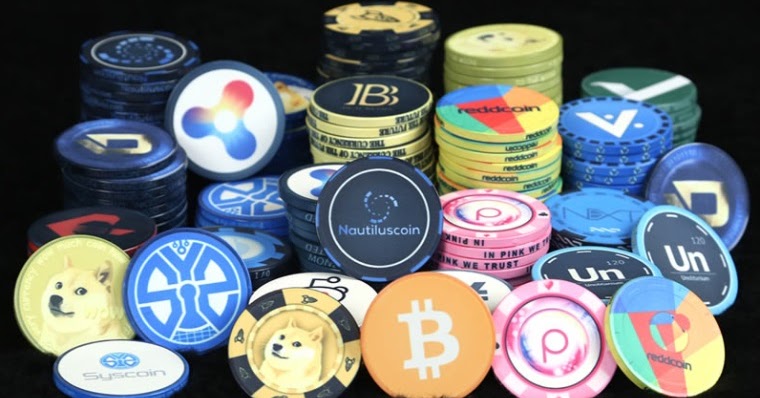

Business marketing in Hindi opens doors to a vibrant marketplace, allowing brands to connect meaningfully with Hindi-speaking audiences. As the world’s second most spoken language, Hindi presents unique opportunities and challenges for marketers looking to engage a diverse demographic.

Understanding the nuances of business marketing in Hindi involves recognizing cultural influences, leveraging effective strategies, and embracing the latest digital trends. With a focus on community engagement and tailored messaging, businesses can build strong brands that resonate deeply with their target consumers.

Understanding Business Marketing in Hindi

Business marketing, or B2B marketing, is a crucial aspect of the commercial landscape in India, especially within Hindi-speaking regions. It involves creating relationships between businesses rather than between a business and individual consumers. Understanding this concept is essential for effectively reaching and engaging Hindi-speaking audiences. In India, traditional marketing often focuses on consumer goods and immediate sales, while business marketing emphasizes long-term partnerships and client relationships.

Traditional marketing tends to rely heavily on mass media advertising, while business marketing utilizes direct communication and personalized strategies to cater to specific business needs. Furthermore, the impact of culture is significant; marketing strategies must align with local customs, languages, and values to resonate effectively with Hindi-speaking audiences and ensure success.

Key Differences Between Traditional Marketing and Business Marketing

The distinctions between traditional marketing and business marketing are fundamental for understanding the landscape in Hindi-speaking areas.

  • Target Audience: Traditional marketing targets individual consumers, while business marketing focuses on organizational clients.
  • Sales Cycle: Business marketing typically has a longer sales cycle due to complex decision-making processes in organizations.
  • Relationship Building: Business marketing emphasizes relationship-building and networking, contrasting with the transactional nature of traditional marketing.
  • Marketing Channels: Traditional marketing heavily relies on mass media, whereas business marketing uses direct channels and personalized approaches.

Impact of Culture on Business Marketing Strategies

Culture plays a pivotal role in shaping business marketing strategies within Hindi regions. Understanding local customs, traditions, and language nuances can greatly enhance the effectiveness of marketing efforts. Engaging with the local culture involves using culturally relevant messaging and imagery that resonates with Hindi-speaking audiences. For instance, brands that incorporate local festivals, symbols, or dialects in their marketing campaigns often experience higher engagement rates.

Additionally, respecting cultural values and social norms is essential for establishing trust and credibility among Hindi-speaking consumers.

Effective Marketing Strategies for Hindi-speaking Markets

To successfully market to Hindi-speaking consumers, brands must adopt tailored strategies that address the unique preferences and behaviors of this demographic.

Successful Marketing Strategies Tailored for Hindi-speaking Consumers

The following strategies have proven effective in engaging Hindi-speaking markets:

  • Localized Content: Creating marketing materials in Hindi that resonate with local culture and sentiments enhances relatability.
  • Community Engagement: Participating in local events and fostering community relationships builds brand loyalty.
  • Influencer Marketing: Collaborating with local influencers helps brands connect authentically with Hindi-speaking consumers.
  • Interactive Campaigns: Utilizing quizzes, contests, and interactive content engages the audience and encourages participation.

The Role of Social Media in Reaching Hindi-speaking Audiences

Social media platforms have become essential tools for engaging Hindi-speaking audiences. With the rise of platforms like Facebook, Instagram, and WhatsApp, brands can reach and interact with consumers more effectively. Social media allows for targeted advertising, enabling brands to tailor their messaging based on demographics, interests, and behaviors specific to Hindi-speaking consumers. Additionally, user-generated content and reviews on social media can significantly influence purchase decisions, making it vital for brands to maintain a positive online presence.

Case Studies of Brands Engaging Hindi-speaking Markets

Several brands have successfully engaged Hindi-speaking markets through innovative marketing strategies. For instance, a popular beverage company launched a campaign during a major festival, incorporating local customs and traditions in its advertisements. The campaign featured relatable scenarios and dialogues in Hindi, resulting in a significant increase in brand recognition and sales. Another example includes a technology brand that collaborated with local influencers to showcase product features in Hindi, which resonated well with the audience and drove engagement.

Digital Marketing Trends in Hindi

Digital marketing is rapidly evolving, and staying updated on the latest trends is essential for effectively reaching Hindi-speaking demographics.

Latest Digital Marketing Trends Relevant to Hindi-speaking Demographics

Understanding current trends can help brands refine their marketing strategies:

  • Video Content: Short-form videos and live streaming are increasingly popular among Hindi-speaking audiences, making platforms like YouTube and TikTok vital for engagement.
  • Voice Search Optimization: With the growing use of voice assistants, optimizing content for voice search in Hindi is becoming crucial.
  • Personalization: Tailoring marketing messages based on user behavior and preferences enhances engagement rates.
  • Mobile Optimization: With a high penetration of smartphones, mobile-optimized content is essential for reaching Hindi speakers effectively.

Importance of Mobile Marketing in Hindi Regions

Mobile marketing has become a cornerstone of reaching Hindi-speaking consumers due to the widespread use of smartphones in India. With more people accessing the internet via mobile devices, brands must prioritize mobile-friendly websites and apps, ensuring that their content is easily accessible. SMS marketing campaigns also serve as effective touchpoints, allowing businesses to reach consumers directly and personally.

The Role of Content Marketing in Connecting with Hindi Audiences

Content marketing plays a significant role in engaging Hindi-speaking audiences by providing valuable information in a relatable format. Brands that create informative blog posts, videos, and infographics in Hindi not only enhance visibility but also build trust with consumers. Educational content addressing local issues or interests can further position a brand as a thought leader within the Hindi-speaking community.

Challenges in Business Marketing in Hindi

While there are numerous opportunities in business marketing within Hindi-speaking regions, several challenges persist.

Common Challenges Faced by Businesses When Marketing to Hindi-speaking Populations

Businesses often encounter the following challenges when targeting Hindi-speaking markets:

  • Language Barriers: Crafting messages that resonate in Hindi while maintaining the essence of the brand can be challenging.
  • Cultural Misunderstandings: Misinterpretations of cultural nuances can lead to marketing blunders and negatively affect brand image.
  • Market Saturation: High competition in popular sectors makes it difficult for new entrants to establish themselves.

Strategies to Overcome Language Barriers in Marketing Communications

To effectively communicate with Hindi-speaking audiences, brands can adopt the following strategies:

  • Hire Local Experts: Collaborating with local marketing professionals who understand the language and culture can enhance communication efforts.
  • Use Simple Language: Avoiding overly complex language ensures clarity and comprehension among the target audience.
  • Test Messaging: Conducting focus groups to test marketing messages can help identify potential issues before launching a campaign.

Examples of Cultural Misunderstandings in Marketing Campaigns

Cultural misunderstandings can lead to negative consequences in marketing. For example, a global brand once launched an advertisement featuring a traditional festival but used incorrect symbols, leading to public backlash. Such instances highlight the importance of thorough cultural research and sensitivity in marketing strategies.

Tools and Resources for Business Marketing in Hindi

Utilizing the right tools and resources is essential for effective business marketing in Hindi-speaking regions.

Essential Tools for Creating Marketing Content in Hindi

To create effective marketing content, businesses can utilize the following tools:

  • Translation Software: Tools like Google Translate can assist in converting content to and from Hindi, but should be used with caution to ensure accuracy.
  • Content Management Systems: Platforms that support multilingual content management facilitate the creation and distribution of Hindi materials.
  • Graphic Design Software: Tools like Canva can help in designing visually appealing marketing materials tailored for Hindi audiences.

Resources for Learning About Business Marketing Best Practices in Hindi

Several resources are available for marketers looking to enhance their knowledge about best practices in Hindi business marketing:

  • Online Courses: Websites like Coursera and Udemy offer courses focused on digital marketing strategies in Hindi.
  • Webinars and Workshops: Attending industry-specific webinars can provide insights from experts in Hindi business marketing.
  • Books and Articles: Reading literature on cultural aspects of marketing within India can deepen understanding.

Comparison of Popular Marketing Platforms Supporting Hindi Content

Evaluating marketing platforms that support Hindi content is crucial for businesses.

Platform Features Best For
Facebook Targeted ads, community engagement Brand awareness and engagement
Instagram Visual storytelling, influencer partnerships Visual brands and products
WhatsApp Direct communication, customer support Personalized customer interaction

Building a Brand in Hindi

Establishing a strong brand presence in Hindi-speaking markets requires strategic planning and execution.

Steps to Building a Recognizable Brand in Hindi-speaking Markets

To create a successful brand, businesses should consider the following steps:

  • Define Brand Identity: Establishing a clear and relatable brand identity that speaks to Hindi-speaking consumers is essential.
  • Consistent Messaging: Maintaining consistency in messaging across all platforms fosters brand recognition.
  • Engagement Strategies: Implementing strategies for ongoing community engagement enhances brand loyalty.

Framework for Developing a Brand Voice that Resonates with Hindi Consumers

Creating a brand voice that connects with Hindi audiences involves:

  • Understanding Audience Insights: Researching preferences and cultural references enhances relatability.
  • Using Local Dialects: Incorporating local dialects and expressions can strengthen connections with consumers.
  • Cultural Sensitivity: Ensuring that the brand voice respects local customs and traditions is vital.

Importance of Community Engagement for Brand Loyalty in Hindi Regions

Community engagement plays a pivotal role in fostering brand loyalty among Hindi-speaking consumers. By actively participating in local events and supporting social causes, brands can build a positive reputation and strengthen their connection with the community. Additionally, encouraging customer feedback and incorporating it into marketing strategies demonstrates a commitment to the audience and enhances brand loyalty.

Measuring Success in Business Marketing in Hindi

To evaluate the effectiveness of marketing efforts in Hindi-speaking regions, businesses must focus on key performance indicators.

Key Performance Indicators for Evaluating Marketing Success in Hindi Contexts

The following KPIs are essential for assessing marketing success:

  • Engagement Rates: Analyzing likes, shares, comments, and interactions can provide insights into audience engagement.
  • Conversion Rates: Tracking conversion rates helps measure the effectiveness of marketing campaigns.
  • Brand Awareness: Surveys and social media metrics can gauge brand recognition and recall among Hindi-speaking consumers.

Methods for Effectively Measuring Customer Engagement Among Hindi Speakers

To measure customer engagement effectively, businesses can employ:

  • Surveys: Conducting surveys in Hindi can help gather direct feedback from consumers.
  • Social Listening Tools: Using tools to monitor social media conversations can provide insights into public perception.
  • Analytics Platforms: Utilizing platforms like Google Analytics allows for comprehensive tracking of website traffic and user behavior.

Analytics Tools Catering Specifically to Hindi Marketing Efforts

Several analytics tools can help businesses track and optimize their marketing strategies:

  • Google Analytics: Provides in-depth insights into website traffic, audience behavior, and conversion tracking.
  • Social Media Analytics: Platforms like Facebook Insights and Instagram Analytics offer detailed metrics on engagement and reach.
  • Survey Tools: Tools like SurveyMonkey allow businesses to create and analyze customer feedback surveys in Hindi.

Closure

In conclusion, mastering business marketing in Hindi is not just about language; it’s about cultural connection, strategic innovation, and adaptability. By embracing the insights shared, businesses can enhance their impact in Hindi-speaking markets, driving growth and fostering loyalty in these vibrant communities.

FAQ Guide

What are the key differences between traditional and business marketing in Hindi?

Traditional marketing focuses on broad audience engagement, while business marketing in Hindi emphasizes specific cultural insights and tailored approaches to connect with Hindi-speaking consumers.

How can social media be effectively utilized in Hindi marketing?

By creating culturally relevant content and engaging with users in their native language, brands can build stronger connections and foster community among Hindi-speaking audiences on social media platforms.

What are the common challenges faced in business marketing in Hindi regions?

Challenges include overcoming language barriers, addressing cultural misunderstandings, and adapting marketing strategies to align with local preferences and behaviors.

What tools are essential for creating marketing content in Hindi?

Tools such as translation software, content management systems, and social media analytics platforms tailored for Hindi content are essential for effective marketing.

How can brands measure success in Hindi marketing efforts?

Brands can measure success through key performance indicators (KPIs) such as engagement rates, conversion metrics, and audience growth specific to their Hindi-speaking campaigns.

Bitcoin meaning examples serve as a gateway to understanding how this groundbreaking digital currency reshapes our financial landscape. From its inception as a decentralized form of money to its increasing adoption across various sectors, Bitcoin is not just a trend; it’s a significant evolution in how we think about currency and transactions.

As we delve into the meaning and usage of Bitcoin, we’ll explore its foundational technology, blockchain, its distinct features compared to traditional currencies, and real-world applications that showcase its versatility. This journey will also highlight the social and economic implications of Bitcoin in different contexts, providing a comprehensive overview of its impact and future.

Understanding Bitcoin

Bitcoin is a decentralized digital currency that has gained significant attention since its inception in 2009. It allows for peer-to-peer transactions without the need for intermediaries, making it a revolutionary form of money in the digital economy. Its significance lies in the potential to provide financial services to the unbanked, facilitate cross-border transactions, and introduce new financial paradigms.The foundational technology behind Bitcoin is blockchain, a distributed ledger that records all transactions across a network of computers.

This ensures transparency and security, as each block in the chain contains a record of multiple transactions. The decentralized nature of blockchain means that no single entity controls the network, which is a key feature that distinguishes Bitcoin from traditional currencies that are typically regulated by governments.Key features that set Bitcoin apart include its limited supply of 21 million coins, which creates scarcity and can drive value, as well as its digital nature that allows for quick and inexpensive transfers.

Moreover, Bitcoin transactions offer a level of anonymity that traditional banking systems cannot provide.

Examples of Bitcoin Usage

Bitcoin is not just a theoretical concept; it has practical applications in the real world. Here are some notable examples of how Bitcoin is being used today:

  • Many online businesses are now accepting Bitcoin as a payment method. For instance, companies like Overstock and Newegg allow customers to pay for goods and services using Bitcoin, showcasing its viability as a currency.
  • In the realm of international remittances, Bitcoin has been utilized to send money across borders with minimal fees. For example, individuals in countries with unstable currencies have turned to Bitcoin to transfer funds back home, bypassing traditional banking fees.
  • Investors are increasingly looking to Bitcoin as a long-term investment. Numerous case studies illustrate individuals who have bought Bitcoin during its early stages and have seen substantial returns on their investments as its value has skyrocketed over the years.

Bitcoin in Different Contexts

Bitcoin’s versatility allows it to be used in various contexts around the globe, adapting to the needs of different economies. Its presence is felt in several areas:

  • In countries facing economic instability, Bitcoin provides an alternative to local currencies. Citizens often turn to Bitcoin as a store of value to protect their savings from inflation.
  • The online gaming industry has integrated Bitcoin for in-game purchases, allowing players to buy virtual goods and services without relying on traditional payment methods. This has streamlined the experience and increased the usability of digital currencies.
  • Philanthropy has also embraced Bitcoin, with various charitable organizations accepting donations in Bitcoin. This not only makes donating easier but also allows for increased transparency in how funds are used.

Analyzing Bitcoin’s Impact

The adoption of Bitcoin carries significant social and economic implications, particularly in developing countries where access to banking is limited. By providing an alternative financial system, Bitcoin can empower individuals and small businesses.However, Bitcoin mining, the process of validating transactions and adding them to the blockchain, raises environmental concerns. The energy consumption associated with mining operations has sparked debates about sustainability and the ecological impact of cryptocurrencies.When comparing Bitcoin’s impact on the financial industry to traditional banking systems, it is evident that Bitcoin challenges established norms.

It offers decentralized finance (DeFi) solutions that can democratize access to financial services, potentially disrupting the traditional banking model.

Future of Bitcoin

Looking ahead, the future of Bitcoin appears promising, with several predictions about its evolution and technology. Experts anticipate advancements in scalability and transaction speed, which could enhance Bitcoin’s usability in everyday transactions.Potential regulatory changes are also on the horizon, as governments around the world grapple with how to classify and regulate cryptocurrencies. These regulations could either support Bitcoin’s integration into mainstream finance or impose restrictions that hinder its growth.Innovations in Bitcoin applications are likely to emerge, particularly in areas like smart contracts and decentralized applications (dApps).

As the technology matures, new use cases for Bitcoin may develop, further solidifying its place in the digital economy.

Closure

In summary, Bitcoin meaning examples illustrate not only the potential of digital currencies but also their growing relevance in our global economy. As we look toward the future, understanding these examples will be crucial for anyone keen on navigating the evolving landscape of finance and technology. Whether you’re a business owner, investor, or merely curious about cryptocurrency, the insights gathered here will empower you to grasp the complexities of Bitcoin.

FAQ Overview

What is Bitcoin?

Bitcoin is a decentralized digital currency that allows for peer-to-peer transactions without the need for intermediaries like banks.

How does Bitcoin differ from traditional currencies?

Unlike traditional currencies, Bitcoin operates on a blockchain technology, ensuring transparency and security while being decentralized.

Can Bitcoin be used for everyday purchases?

Yes, many businesses now accept Bitcoin as a form of payment for goods and services, making it usable in everyday transactions.

What are the risks associated with investing in Bitcoin?

Investing in Bitcoin carries risks such as price volatility, regulatory changes, and potential security threats in terms of hacking.

Is Bitcoin legal everywhere?

The legality of Bitcoin varies by country; some have embraced it while others have imposed restrictions or outright bans.