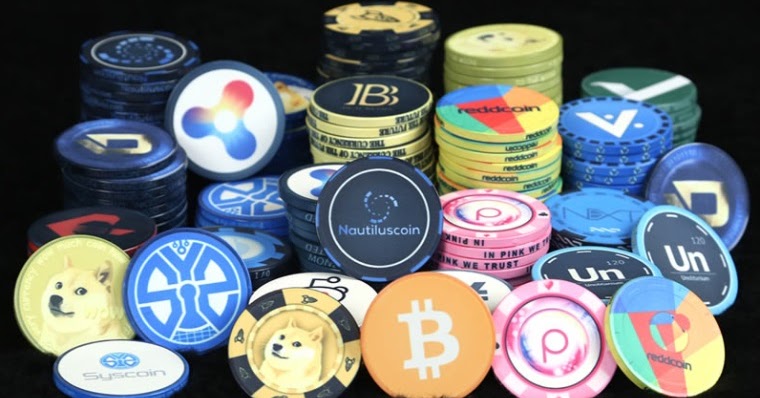
Bitcoin meaning examples serve as a gateway to understanding how this groundbreaking digital currency reshapes our financial landscape. From its inception as a decentralized form of money to its increasing adoption across various sectors, Bitcoin is not just a trend; it’s a significant evolution in how we think about currency and transactions.
As we delve into the meaning and usage of Bitcoin, we’ll explore its foundational technology, blockchain, its distinct features compared to traditional currencies, and real-world applications that showcase its versatility. This journey will also highlight the social and economic implications of Bitcoin in different contexts, providing a comprehensive overview of its impact and future.
Understanding Bitcoin
Bitcoin is a decentralized digital currency that has gained significant attention since its inception in 2009. It allows for peer-to-peer transactions without the need for intermediaries, making it a revolutionary form of money in the digital economy. Its significance lies in the potential to provide financial services to the unbanked, facilitate cross-border transactions, and introduce new financial paradigms.The foundational technology behind Bitcoin is blockchain, a distributed ledger that records all transactions across a network of computers.
This ensures transparency and security, as each block in the chain contains a record of multiple transactions. The decentralized nature of blockchain means that no single entity controls the network, which is a key feature that distinguishes Bitcoin from traditional currencies that are typically regulated by governments.Key features that set Bitcoin apart include its limited supply of 21 million coins, which creates scarcity and can drive value, as well as its digital nature that allows for quick and inexpensive transfers.
Moreover, Bitcoin transactions offer a level of anonymity that traditional banking systems cannot provide.
Examples of Bitcoin Usage
Bitcoin is not just a theoretical concept; it has practical applications in the real world. Here are some notable examples of how Bitcoin is being used today:
- Many online businesses are now accepting Bitcoin as a payment method. For instance, companies like Overstock and Newegg allow customers to pay for goods and services using Bitcoin, showcasing its viability as a currency.
- In the realm of international remittances, Bitcoin has been utilized to send money across borders with minimal fees. For example, individuals in countries with unstable currencies have turned to Bitcoin to transfer funds back home, bypassing traditional banking fees.
- Investors are increasingly looking to Bitcoin as a long-term investment. Numerous case studies illustrate individuals who have bought Bitcoin during its early stages and have seen substantial returns on their investments as its value has skyrocketed over the years.
Bitcoin in Different Contexts
Bitcoin’s versatility allows it to be used in various contexts around the globe, adapting to the needs of different economies. Its presence is felt in several areas:
- In countries facing economic instability, Bitcoin provides an alternative to local currencies. Citizens often turn to Bitcoin as a store of value to protect their savings from inflation.
- The online gaming industry has integrated Bitcoin for in-game purchases, allowing players to buy virtual goods and services without relying on traditional payment methods. This has streamlined the experience and increased the usability of digital currencies.
- Philanthropy has also embraced Bitcoin, with various charitable organizations accepting donations in Bitcoin. This not only makes donating easier but also allows for increased transparency in how funds are used.
Analyzing Bitcoin’s Impact
The adoption of Bitcoin carries significant social and economic implications, particularly in developing countries where access to banking is limited. By providing an alternative financial system, Bitcoin can empower individuals and small businesses.However, Bitcoin mining, the process of validating transactions and adding them to the blockchain, raises environmental concerns. The energy consumption associated with mining operations has sparked debates about sustainability and the ecological impact of cryptocurrencies.When comparing Bitcoin’s impact on the financial industry to traditional banking systems, it is evident that Bitcoin challenges established norms.
It offers decentralized finance (DeFi) solutions that can democratize access to financial services, potentially disrupting the traditional banking model.
Future of Bitcoin
Looking ahead, the future of Bitcoin appears promising, with several predictions about its evolution and technology. Experts anticipate advancements in scalability and transaction speed, which could enhance Bitcoin’s usability in everyday transactions.Potential regulatory changes are also on the horizon, as governments around the world grapple with how to classify and regulate cryptocurrencies. These regulations could either support Bitcoin’s integration into mainstream finance or impose restrictions that hinder its growth.Innovations in Bitcoin applications are likely to emerge, particularly in areas like smart contracts and decentralized applications (dApps).
As the technology matures, new use cases for Bitcoin may develop, further solidifying its place in the digital economy.
Closure
In summary, Bitcoin meaning examples illustrate not only the potential of digital currencies but also their growing relevance in our global economy. As we look toward the future, understanding these examples will be crucial for anyone keen on navigating the evolving landscape of finance and technology. Whether you’re a business owner, investor, or merely curious about cryptocurrency, the insights gathered here will empower you to grasp the complexities of Bitcoin.
FAQ Overview
What is Bitcoin?
Bitcoin is a decentralized digital currency that allows for peer-to-peer transactions without the need for intermediaries like banks.
How does Bitcoin differ from traditional currencies?
Unlike traditional currencies, Bitcoin operates on a blockchain technology, ensuring transparency and security while being decentralized.
Can Bitcoin be used for everyday purchases?
Yes, many businesses now accept Bitcoin as a form of payment for goods and services, making it usable in everyday transactions.
What are the risks associated with investing in Bitcoin?
Investing in Bitcoin carries risks such as price volatility, regulatory changes, and potential security threats in terms of hacking.
Is Bitcoin legal everywhere?
The legality of Bitcoin varies by country; some have embraced it while others have imposed restrictions or outright bans.