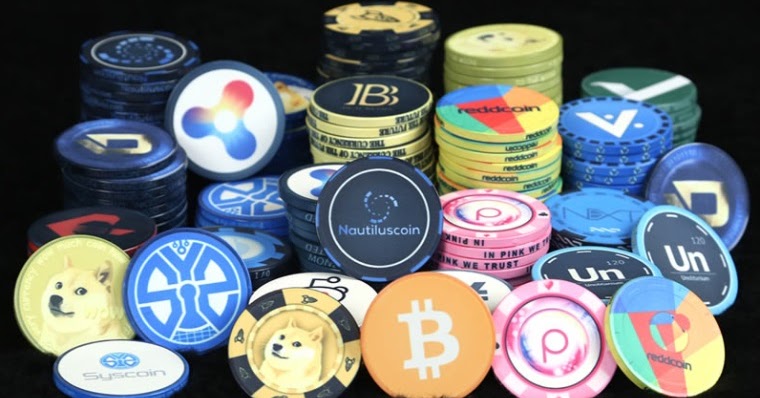
Purchasing Bitcoin has become increasingly accessible, and now Apple Pay offers a convenient new method. This guide provides a comprehensive overview of how to buy Bitcoin using Apple Pay, including the process, security measures, and potential limitations. We’ll delve into the specifics of this innovative approach, comparing it to other traditional methods.
The world of cryptocurrency is rapidly evolving, and understanding the different methods of acquisition is crucial for anyone interested in investing or simply exploring this digital asset. This guide serves as a starting point, offering a clear and concise explanation of the process involved in purchasing Bitcoin using Apple Pay.
Introduction to Bitcoin Purchasing
Bitcoin is a decentralized digital currency, meaning it isn’t controlled by any single government or institution. Its value fluctuates based on supply and demand in the market, making it a relatively volatile investment. While it has seen significant growth and adoption, it’s important to approach Bitcoin purchases with careful consideration. This section provides a general overview of Bitcoin, the process of purchasing it, and various wallet options.The process of buying Bitcoin, regardless of the method used, typically involves these steps: identifying a reputable exchange or platform, creating an account, funding the account with a payment method, selecting the Bitcoin you want to purchase, and confirming the transaction.
Different platforms may have slightly different interfaces and procedures, but the core concept remains consistent.
Bitcoin Wallets
Bitcoin wallets are software or hardware applications that store and manage your Bitcoin. They act as digital vaults for your cryptocurrency, allowing you to send and receive Bitcoin transactions. Different wallet types offer varying levels of security and features.
Types of Bitcoin Wallets
- Software Wallets: These wallets are installed on your computer or mobile device. They offer ease of use and access but may be more susceptible to malware or device compromise if not properly secured. Examples include Electrum, Exodus, and Jaxx.
- Hardware Wallets: These are physical devices specifically designed for secure Bitcoin storage. They often utilize offline storage to protect your private keys from online attacks. Popular examples are Ledger Nano S and Trezor Model T. The security advantages of hardware wallets often come at a higher cost than software wallets.
- Web Wallets: These wallets are hosted on a website. While offering convenience, they typically don’t provide the same level of control or security as other types. Security risks are often higher, as your private keys are managed by the third party hosting the service.
Comparison of Bitcoin Wallet Options
| Wallet Type | Security | Ease of Use | Cost | Features |
|---|---|---|---|---|
| Software Wallets | Medium (vulnerable to malware/compromised devices) | High (intuitive interfaces) | Low (free or inexpensive) | Transaction management, often with additional features like token support |
| Hardware Wallets | High (offline storage of private keys) | Medium (may require some learning curve) | Medium (variable depending on model) | Strong security, often more advanced features like multi-signature |
| Web Wallets | Low (rely on third-party security) | High (often easy to access from any device) | Low (often free) | Convenience, but often limited features |
Security is paramount when dealing with Bitcoin. Choosing the right wallet depends on your risk tolerance and technical proficiency.
Exploring Bitcoin Purchase Methods
Acquiring Bitcoin involves various methods, each with its own set of advantages and disadvantages. Understanding these options empowers informed decision-making when entering the cryptocurrency market. Different methods cater to varying needs and risk tolerances, ranging from established financial channels to specialized digital platforms.Traditional methods, such as bank transfers and credit cards, provide familiar pathways for purchasing Bitcoin, but often come with limitations in terms of transaction speed and fees.
Cryptocurrency exchanges, on the other hand, are specialized platforms designed for facilitating cryptocurrency transactions, offering a wider array of options and often lower fees.
Purchasing Bitcoin via Bank Transfer
Initiating a Bitcoin purchase using a bank transfer typically involves linking your bank account to a cryptocurrency exchange. This process may require verification steps, such as identity confirmation and address verification, to ensure compliance with regulations. After verification, you can typically initiate a transfer of funds from your bank account to your exchange account, and then use those funds to purchase Bitcoin.
Purchasing Bitcoin via Credit Card
Utilizing credit cards to buy Bitcoin presents a straightforward option, particularly for those unfamiliar with bank transfer procedures. Many cryptocurrency exchanges offer this method, allowing users to directly purchase Bitcoin using their credit card information. However, credit card transactions may incur higher fees compared to other methods, and some credit cards may not be compatible with Bitcoin purchases.
Purchasing Bitcoin via Cryptocurrency Exchanges
Cryptocurrency exchanges are dedicated platforms for trading various cryptocurrencies, including Bitcoin. These platforms provide a secure environment for purchasing, selling, and storing cryptocurrencies.
Step-by-Step Guide to Buying Bitcoin through a Reputable Exchange
This process typically involves several steps. First, create an account and complete the necessary verification procedures. Next, fund your account using the chosen method (bank transfer or credit card). Finally, use the available interface to purchase Bitcoin. Different exchanges may have slight variations in the process, so consulting the exchange’s support documentation is recommended.
Contrasting Bitcoin Purchase Methods
| Purchase Method | Pros | Cons |
|---|---|---|
| Bank Transfer | Generally lower fees compared to credit cards, often more secure. | Slower transaction times, may require additional verification steps. |
| Credit Card | Convenient, quick transactions. | Higher transaction fees, potential security risks associated with credit card use. |
| Cryptocurrency Exchanges | Variety of cryptocurrencies, often lower fees, typically more secure compared to peer-to-peer exchanges. | Requires account creation and verification, potential for platform-specific issues. |
Buying Bitcoin with Apple Pay
Currently, Apple Pay doesn’t directly support Bitcoin purchases. This means you can’t use your Apple Pay card to buy Bitcoin directly from a platform like Coinbase or similar services. While Apple Pay is a convenient payment method for various goods and services, its functionality is not yet extended to cryptocurrency transactions.
Methods for Bitcoin Purchases Using Apple Pay
There are no direct methods currently to buy Bitcoin using Apple Pay. Any apparent methods or claims suggesting otherwise should be treated with caution, as direct support is not offered by Apple Pay or reputable Bitcoin platforms.
Alternative Payment Methods for Bitcoin Purchases
While Apple Pay isn’t a Bitcoin-specific payment method, there are other payment options available for buying Bitcoin. Many cryptocurrency platforms accept various payment methods like credit cards, debit cards, bank transfers, and sometimes even other cryptocurrencies. These methods typically allow users to purchase Bitcoin directly from the platform using their preferred payment method.
Security Considerations for Bitcoin Purchases
Regardless of the payment method, security is paramount when purchasing Bitcoin. Always ensure the platform you’re using has robust security measures in place to protect your funds. Look for features like two-factor authentication, secure connections (HTTPS), and positive reviews from other users. Do not share your private keys or sensitive information with anyone, even if they claim to be from the platform.
Be wary of unsolicited messages or links promising quick or high returns.
Potential Limitations of Using Apple Pay for Bitcoin Purchases
As previously stated, Apple Pay does not support direct Bitcoin purchases. This lack of direct integration might present limitations for users accustomed to using Apple Pay for everyday transactions. Moreover, the current infrastructure for supporting Bitcoin transactions with Apple Pay is not yet established. Thus, users must utilize alternative methods for Bitcoin purchases.
Bitcoin Purchase Services with Alternative Payment Methods
| Service | Payment Methods Accepted | Typical Fees | Transaction Time |
|---|---|---|---|
| Coinbase | Credit/Debit Cards, Bank Transfers | Variable, typically 0.5-1.5% | Usually instantaneous to several business days |
| Kraken | Credit/Debit Cards, Bank Transfers | Variable, typically 0.5-1.5% | Usually instantaneous to several business days |
| Gemini | Credit/Debit Cards, Bank Transfers | Variable, typically 0.5-1.5% | Usually instantaneous to several business days |
Note: Fees and transaction times may vary based on specific payment methods and the platform’s policies. Always check with the platform directly for the most up-to-date information.
General Bitcoin Purchase Information
Bitcoin, a decentralized digital currency, has revolutionized the financial landscape. Understanding its history, workings, and potential risks is crucial for anyone considering purchasing it. This section provides a comprehensive overview, including details on mining, different networks, its role in finance, common scams, wallet setup, and transfer processes.
Bitcoin’s History
Bitcoin emerged in 2009, introduced by an anonymous person or group known as Satoshi Nakamoto. The initial concept aimed to create a peer-to-peer electronic cash system, independent of central banks and financial institutions. This decentralized nature, based on cryptographic principles, differentiates it from traditional currencies. The whitepaper outlining the technology was published in 2008. Its initial value was extremely low, and it has experienced significant price fluctuations since then.
Bitcoin Mining
Bitcoin mining is the process of verifying and adding new transactions to the public ledger, known as the blockchain. Miners use specialized computer hardware to solve complex mathematical problems, securing the network and earning Bitcoin as a reward. This process is crucial for maintaining the integrity and security of the Bitcoin network. The computational power required for mining is constantly increasing, demanding greater processing power.
Bitcoin Networks and Functionalities
Several Bitcoin networks exist, each with slightly varying functionalities and purposes. The original Bitcoin network, often referred to as Bitcoin Core, is the most widely used. Other networks, including Bitcoin Cash and Litecoin, have emerged, offering alternative solutions with potential advantages in terms of transaction speeds or fees. These networks, while sharing similar core principles, differ in technical specifications and have distinct community support.
Bitcoin’s Role in the Global Financial System
Bitcoin’s impact on the global financial system is multifaceted. Its decentralized nature challenges traditional banking structures, offering an alternative payment system. However, it is not a replacement for established financial systems, as it still faces challenges in widespread adoption and regulatory clarity. The increasing use of Bitcoin in international transactions reflects its growing acceptance, yet its integration into mainstream finance remains a work in progress.
Common Bitcoin Scams and Avoidance
Bitcoin is vulnerable to various scams, often exploiting the lack of regulatory oversight and the anonymity of transactions. Phishing scams, fake investment schemes, and pump-and-dump schemes are common. Users should always verify the legitimacy of websites and avoid suspicious requests. Thorough research and due diligence are paramount in preventing fraudulent activities.
- Phishing Scams: Be cautious of emails, messages, or websites that ask for your Bitcoin wallet credentials. Verify the source before entering any personal information.
- Fake Investment Schemes: Avoid high-yield investment promises related to Bitcoin. Always research the legitimacy of investment opportunities.
- Pump-and-Dump Schemes: Be wary of sudden price increases in Bitcoin that appear too good to be true. Never invest based on speculation alone.
- Fake Bitcoin Exchanges: Thoroughly research and verify the legitimacy of any exchange before depositing funds.
The Bitcoin market is prone to fraud, making vigilance essential.
Setting Up a Bitcoin Wallet for Beginners
A Bitcoin wallet acts as a digital repository for your Bitcoin holdings. Various types exist, including software wallets (desktop and mobile), hardware wallets, and online wallets. Choosing the right wallet depends on your comfort level and security preferences. Beginners should start with a reputable software wallet, prioritizing security and ease of use.
Transferring Bitcoin Between Wallets
Transferring Bitcoin between wallets involves sending the Bitcoin to the recipient’s address. Double-checking the recipient’s address and transaction details is crucial to prevent errors. Transaction fees are often involved and vary based on network congestion. Utilizing secure methods and understanding the transaction process are essential for avoiding losses.
Comparison of Buying Bitcoin Methods
Different methods for purchasing Bitcoin offer varying levels of speed, security, fees, and user experience. Understanding these distinctions is crucial for selecting the most suitable option based on individual needs and preferences. This comparison will analyze the nuances of various methods, particularly contrasting Apple Pay with other common approaches.
Speed of Bitcoin Purchasing
The speed of Bitcoin acquisition varies significantly depending on the chosen method. Instant purchase options, like those facilitated through certain exchanges, offer immediate access to Bitcoin. Conversely, methods involving manual confirmations or waiting for transactions to be processed on a blockchain network can take longer. Factors like network congestion and transaction volume can further impact the time required for completion.
For example, a transaction that typically takes 15 minutes might take several hours during periods of high network traffic.
Security Considerations
Security is paramount when dealing with digital assets. Different methods offer varying degrees of protection. A reputable exchange with robust security protocols, for example, often utilizes multi-factor authentication and advanced encryption techniques to safeguard user funds. Methods relying on self-custody, such as direct peer-to-peer transactions, typically involve a higher degree of personal responsibility for security. Apple Pay, integrated into a secure payment ecosystem, generally enhances security compared to less secure methods.
The security of Apple Pay relies on the user’s existing Apple security measures and the security protocols of the Bitcoin exchange or platform where the purchase is made.
Transaction Fees
Transaction fees are an inherent aspect of Bitcoin purchases. These fees cover network transaction costs and potentially intermediary services. Fees can vary greatly depending on the method used and the current market conditions. Some exchanges may charge a flat fee or a percentage of the transaction amount. Methods involving peer-to-peer transactions often have fees that are negotiated between buyer and seller.
Apple Pay, while generally integrated with existing payment systems, may still impose fees related to the Bitcoin platform used, though these are often lower than traditional bank transfer fees.
User Experience
The user experience varies considerably across different methods. A user-friendly exchange platform with a clear and intuitive interface simplifies the Bitcoin purchasing process. Methods that require more technical understanding or manual steps can be more challenging for less experienced users. Apple Pay, being integrated with a familiar platform, tends to provide a seamless and straightforward user experience for users already familiar with Apple’s payment system.
Comparison Table
| Method | Speed | Security | Fees | User Experience |
|---|---|---|---|---|
| Reputable Exchange (e.g., Coinbase) | Generally fast, instant in some cases | High, often with robust security protocols | Variable, usually transparently displayed | Often user-friendly, intuitive interface |
| Peer-to-Peer (P2P) | Variable, can be slow depending on confirmations | Lower, depends heavily on the buyer and seller | Variable, often negotiated | Can be complex, requires familiarity with Bitcoin transactions |
| Apple Pay (via exchange) | Potentially fast, depending on exchange | High, leveraging Apple’s security infrastructure and exchange’s protocols | Variable, dependent on the exchange and transaction | Generally smooth, leveraging familiarity with Apple Pay |
Bitcoin Buying Process (General)
Purchasing Bitcoin involves several crucial steps, from setting up an account to securing your holdings. This process, while seemingly complex, can be navigated effectively with proper understanding and adherence to security best practices. A well-informed approach minimizes risks and maximizes the potential of your investment.Understanding the intricacies of the process empowers you to make confident decisions and safeguards your Bitcoin investment.
This involves more than just acquiring Bitcoin; it also encompasses responsible account management and security measures.
Creating a Bitcoin Exchange Account
Establishing an account on a reputable Bitcoin exchange is the initial step. This typically involves providing personal information, including your name, email address, and a strong password. Be mindful of the security protocols of the chosen exchange and ensure they adhere to industry best practices.
Verifying Your Identity on a Bitcoin Exchange
Verification is essential for regulatory compliance and security. Exchanges require identity verification to prevent fraudulent activities. This often involves uploading documents like government-issued IDs and proof of address. This process protects both the exchange and its users.
Securing Your Bitcoin Wallet
Securing your Bitcoin wallet is paramount. A strong, unique password, coupled with two-factor authentication (2FA), significantly enhances security. Consider using a hardware wallet, a physical device designed to safeguard your private keys offline, for enhanced protection against online threats.
Best Practices for Protecting Your Bitcoin Investment
Protecting your Bitcoin investment necessitates a multi-layered approach. Regularly reviewing your exchange account for suspicious activity is crucial. Do not share your private keys or login credentials with anyone. Storing your private keys securely is vital; never write them down in easily accessible locations.
- Regular Monitoring: Continuously monitoring your account for any unauthorized activity is a critical practice. Regular account checks are important to prevent unauthorized access or potential security breaches.
- Strong Passwords: Use unique and strong passwords for your Bitcoin exchange account. Employ a password manager for enhanced security and avoid reusing passwords across different platforms.
- Two-Factor Authentication (2FA): Activating 2FA adds an extra layer of security to your account. This requires a secondary verification method, such as a text message or authenticator app, making unauthorized access significantly harder.
- Avoid Phishing Scams: Be extremely cautious about suspicious emails or websites claiming to be from your exchange. Phishing attempts aim to trick you into revealing sensitive information. Only access your exchange account through verified and official channels.
- Hardware Wallets: Consider using a hardware wallet to store your private keys offline. These devices offer a higher level of security compared to software wallets.
Resources for Further Learning
Several resources provide in-depth information about Bitcoin purchases and related topics.
- Bitcoin Exchange Websites: Refer to the support and FAQ sections of reputable exchanges for comprehensive information on account creation, verification, and security procedures.
- Cryptocurrency News Sites: Stay updated on the latest news and developments in the cryptocurrency market through reliable and credible sources. This helps in navigating the constantly evolving landscape.
- Educational Platforms: Numerous educational platforms and online courses offer valuable insights into Bitcoin and cryptocurrency fundamentals. These resources are crucial for building a strong understanding of the subject.
Related Information on Buying Bitcoin
Investing in Bitcoin, like any investment, requires careful consideration and understanding of the potential risks and rewards. This section provides crucial information to help you navigate the world of Bitcoin purchasing with more informed decisions. It highlights the importance of thorough research, risk management, and strategic portfolio management.
Research Before Investing
Thorough research is paramount when considering any investment, especially one as volatile as Bitcoin. Understanding Bitcoin’s underlying technology, its historical price fluctuations, and the current market sentiment is essential. Reviewing reputable news sources, financial analysis websites, and crypto-focused publications can provide valuable context. Conducting due diligence ensures a more informed decision-making process, minimizing the likelihood of impulsive or uninformed investment choices.
Potential Risks and Rewards
Bitcoin investments, while potentially lucrative, carry significant risks. Price volatility is a key concern, as Bitcoin’s value can fluctuate drastically in short periods. Market crashes, regulatory changes, and technological vulnerabilities can all impact the value of your holdings. However, the potential for substantial returns also exists, and many investors have experienced considerable profits from their Bitcoin investments.
Careful risk assessment and diversification are crucial to mitigate potential losses while maximizing potential gains.
Managing Your Bitcoin Portfolio
Effective portfolio management is critical for successful Bitcoin investment. Diversification is key, spreading your holdings across different cryptocurrencies and other asset classes can help mitigate risks associated with any single investment. Setting realistic financial goals and understanding your risk tolerance will guide your investment strategy. Regularly reviewing your portfolio and making adjustments as needed is crucial for long-term success.
Bitcoin Trading Strategies
Various strategies exist for trading Bitcoin. These strategies range from long-term buy-and-hold approaches to more active day trading tactics. Understanding these strategies and selecting one that aligns with your investment goals and risk tolerance is crucial. For example, a long-term buy-and-hold strategy might involve purchasing Bitcoin during market downturns, while a day trading strategy might involve short-term trades based on real-time price fluctuations.
Each approach carries its own set of risks and rewards.
Reputable Bitcoin Resources
Numerous resources provide valuable information about Bitcoin and related topics. These resources can assist in your investment journey. Reliable financial news outlets, reputable crypto exchanges, and educational platforms dedicated to blockchain technology and cryptocurrency offer informative content. For example, CoinMarketCap, CoinGecko, and various financial news websites are commonly used by investors.
Choosing a Bitcoin Exchange
Selecting a reputable and secure Bitcoin exchange is critical for safe and efficient transactions. Factors to consider include security measures, transaction fees, user interface, and customer support. Exchanges with robust security protocols, competitive fees, and helpful customer service are generally preferred. A thorough comparison of different exchanges, considering their specific features and user reviews, can lead to a more informed choice.
Consider using online reviews and comparisons to evaluate exchanges.
Conclusive Thoughts

In conclusion, purchasing Bitcoin with Apple Pay presents a user-friendly option for those seeking a streamlined experience. While convenience is key, understanding the security protocols and potential limitations is essential. This guide provides the necessary information to make informed decisions about this method of Bitcoin acquisition. Remember to conduct thorough research before making any investment decisions.
FAQ Guide
What are the security measures Apple Pay employs when handling Bitcoin transactions?
Apple Pay utilizes its existing robust security infrastructure, including two-factor authentication and encryption protocols. However, users should still exercise caution and follow best practices to protect their accounts.
Are there any fees associated with buying Bitcoin using Apple Pay?
Fees can vary depending on the specific service provider offering Apple Pay Bitcoin purchases. It’s essential to review the fees associated with the service you choose before making a transaction.
What types of Bitcoin wallets are supported by Apple Pay?
Currently, Apple Pay likely integrates with wallets supported by the service providers offering Bitcoin purchases through the platform. This is an evolving area, so always verify compatibility with the specific service you use.
What are the potential limitations or challenges of using Apple Pay for Bitcoin purchases?
Availability of the service might be limited geographically. Also, the level of support for Apple Pay in Bitcoin transactions might vary by region and service provider.