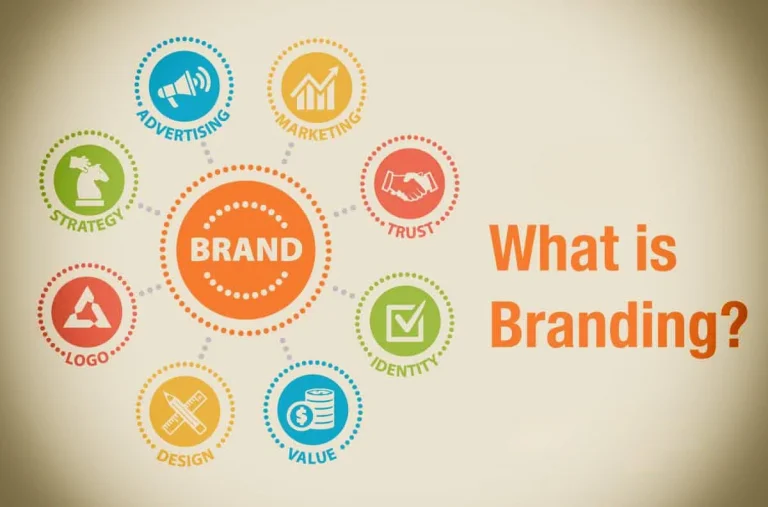
Crafting a brand style guide is crucial for any business aiming for consistent and impactful brand communication. This guide dives deep into the essential elements, processes, and strategies behind creating a robust style guide. From defining your brand’s visual and verbal identity to adapting it across various platforms, we’ll explore the entire spectrum of brand style guide creation.
Understanding your target audience is paramount. By defining their needs and preferences, you can tailor your brand style guide to resonate with them effectively, fostering brand loyalty and recognition.
Defining Brand Style Guides
A brand style guide is a crucial document that Artikels the visual and verbal elements used to represent a brand. It serves as a comprehensive reference point for all stakeholders involved in brand communication, ensuring consistent messaging and visual identity across all platforms. A well-defined style guide promotes brand recognition and fosters a strong, unified brand image.A comprehensive brand style guide acts as a living document, providing clear guidelines and examples for every aspect of brand representation.
It’s not just about aesthetics; it encompasses the core values, personality, and overall message of the brand. It ensures that every touchpoint, from marketing materials to social media posts, reflects the brand’s unique identity and resonates with the target audience.
Definition of a Brand Style Guide
A brand style guide is a document that defines the visual and verbal identity of a brand. It provides a set of rules and guidelines for how the brand should be represented across all platforms. This ensures consistency in brand messaging and visual identity, contributing to brand recognition and recall.
Key Components of a Comprehensive Brand Style Guide
A robust brand style guide encompasses various elements that work together to maintain a consistent brand image. These elements ensure the brand’s visual identity is recognizable and memorable across all touchpoints.
- Brand Identity: This section clearly defines the brand’s mission, vision, values, and target audience. It sets the stage for all subsequent guidelines, providing the foundation for consistent messaging.
- Logo Usage: Specific guidelines for logo usage are paramount. This includes correct placement, sizing, colors, and any prohibited alterations to the logo. Proper usage guidelines prevent misrepresentation and ensure consistent logo presentation.
- Typography: Choosing and defining the fonts used across the brand’s communication is essential. This section details the font families, weights, sizes, and spacing for consistency and readability. Clear guidelines prevent visual inconsistencies and maintain a unified brand voice.
- Color Palette: A defined set of colors forms a crucial component. This section details the specific RGB and CMYK color codes for each color used, ensuring consistency across all mediums. This section is essential for accurate color reproduction and brand recognition.
- Imagery and Photography Style: This section dictates the types of images, photographs, and illustrations used in brand communication. It details the desired aesthetic, tone, and style, ensuring all visual elements align with the brand’s identity.
- Tone of Voice and Messaging: This crucial section defines the brand’s personality and the language used in communication. It sets the stage for consistent messaging and voice across all platforms. This element creates a unified brand experience and establishes a strong brand voice.
- Brand Voice Guidelines: These guidelines help maintain a consistent brand voice. This includes specifying the preferred vocabulary, writing style, and overall communication tone.
Importance of Consistency in Brand Communication
Consistent brand communication is critical for building brand recognition and trust. A consistent brand identity across all touchpoints helps audiences understand and remember the brand. This recognition fosters trust and builds stronger relationships with customers.
Role of Brand Style Guides in Maintaining a Cohesive Brand Identity
A well-defined brand style guide is a cornerstone of maintaining a cohesive brand identity. It serves as a reference point for all stakeholders, ensuring every touchpoint aligns with the brand’s core values and message. This alignment fosters brand recognition and builds a strong, memorable brand experience.
Essential Elements of a Brand Style Guide
| Element | Description |
|---|---|
| Logo Usage | Guidelines for logo placement, sizing, colors, and prohibited alterations. |
| Typography | Specification of font families, weights, sizes, and spacing. |
| Color Palette | Detailed RGB and CMYK color codes for each color. |
| Imagery and Photography Style | Definition of the desired aesthetic, tone, and style of images and illustrations. |
| Tone of Voice and Messaging | Definition of the brand’s personality and language used in communication. |
| Brand Voice Guidelines | Specification of the preferred vocabulary, writing style, and overall communication tone. |
| Brand Identity | Clear definition of the brand’s mission, vision, values, and target audience. |
Developing a Brand Style Guide
A well-defined brand style guide is crucial for maintaining brand consistency across all platforms and communications. It acts as a roadmap for all brand interactions, ensuring a unified and recognizable image. This document Artikels the key steps involved in creating a robust and effective brand style guide.Creating a comprehensive brand style guide requires careful consideration of various elements, from the target audience to the visual identity.
This process involves a detailed understanding of the brand’s core values and its desired position in the market. It’s a collaborative effort involving marketing, design, and other relevant departments.
Defining Target Audiences and Their Needs
Understanding the target audience is paramount in developing a style guide that resonates with them. A thorough analysis of the target demographic’s preferences, behaviors, and communication styles is essential. This includes identifying their age, location, interests, and online presence. Gathering this data provides valuable insights into how to effectively communicate with the target audience through various channels. This analysis informs decisions regarding tone of voice, visual elements, and overall brand messaging.
For instance, a brand targeting millennials might adopt a more informal and engaging tone compared to a brand targeting a more mature audience.
Collecting and Analyzing Brand-Related Information
Gathering information about the brand is a crucial step in developing a comprehensive style guide. This involves collecting data from various sources such as existing brand materials, market research reports, competitor analyses, and internal feedback. Analyzing this data provides a clear picture of the brand’s current identity and helps identify areas for improvement. Analyzing existing brand assets like logos, color palettes, and typography ensures consistency and reinforces the brand’s visual identity.
Analyzing competitor strategies helps understand the market landscape and identify opportunities for differentiation.
Examples of Effective Brand Style Guide Templates
Effective brand style guides employ a structured format to ensure clarity and comprehensiveness. A template should include sections on brand mission, vision, and values, target audience profiles, brand personality, visual identity (logo, color palette, typography, imagery), tone of voice, and brand guidelines for various applications (e.g., website, social media, print). A well-structured template streamlines the process, making it easier to maintain and update the guide.
Examples of templates include a table format, a visual guide with explanations, and a digital document format.
Brand Style Guide vs. Brand Manual
| Feature | Brand Style Guide | Brand Manual |
|---|---|---|
| Focus | Defines the brand’s visual and verbal identity, tone of voice, and overall messaging strategy. | Provides detailed instructions and specifications for implementing the brand’s identity across all applications. |
| Scope | Broader, encompassing the brand’s essence and communication strategy. | More specific, focusing on practical applications and implementation details. |
| Target Audience | Internal and external stakeholders. | Internal stakeholders primarily, focusing on those responsible for executing the brand identity. |
| Content | High-level overview of brand identity and principles. | Detailed specifications, including measurements, technical instructions, and usage examples. |
The table highlights the key distinctions between a brand style guide and a brand manual, emphasizing the difference in scope and target audience. The style guide acts as a blueprint, while the manual offers detailed execution instructions.
Visual Identity Elements
A strong visual identity is crucial for a brand’s recognition and memorability. These elements—color palettes, typography, imagery, and logos—work together to create a cohesive and impactful brand experience. Understanding how to effectively utilize these elements is key to building a recognizable and trustworthy brand presence.Visual identity elements are more than just aesthetics; they communicate brand personality, values, and target audience.
Thoughtful selection and implementation of these elements contribute significantly to a brand’s overall success.
Choosing a Color Palette
A well-chosen color palette evokes specific emotions and associations. Brands often select colors that resonate with their target audience and align with their brand personality. Consider the psychological impact of colors. For instance, blue often signifies trust and reliability, while red can convey energy and excitement. Researching color psychology and analyzing competitors’ color choices can be beneficial.
Typography’s Role in Brand Personality
Typography plays a vital role in communicating brand personality. Different fonts evoke various moods and impressions. A bold, sans-serif font might suggest a modern and energetic brand, while a classic serif font could project sophistication and tradition. Font choices should reflect the overall brand identity.
Image Selection and Implementation
The images and graphics used by a brand should align with its values and target audience. High-quality, relevant imagery fosters trust and credibility. Consider the use of stock photography, user-generated content, or custom illustrations. The chosen style should reflect the brand’s character.
Logo Design and Application
A logo is a cornerstone of brand recognition. It should be easily recognizable, memorable, and versatile across various applications. Consider factors such as scalability, color variations, and different backgrounds when designing a logo. Logos should be used consistently to reinforce brand identity.
Typography Styles and Brand Personalities
| Typography Style | Associated Brand Personality |
|---|---|
| Serif Fonts (e.g., Times New Roman) | Sophisticated, traditional, trustworthy |
| Sans-serif Fonts (e.g., Arial) | Modern, clean, contemporary |
| Script Fonts (e.g., Brush Script MT) | Elegant, artistic, creative |
| Display Fonts (e.g., Impact) | Bold, attention-grabbing, impactful |
Choosing Images and Graphics
Aligning images and graphics with brand values is essential. Consider the message conveyed by the imagery. For instance, images of diverse people can reflect inclusivity, while images of natural landscapes might suggest sustainability. Authenticity and relevance to the brand message are vital. Consistency in style and tone across all visuals is critical.
Images should enhance the brand’s overall message. For example, if a brand focuses on luxury, high-quality, polished imagery is essential. If a brand focuses on sustainability, images showcasing eco-friendly practices or natural environments should be used.
Verbal Identity Elements
A strong brand voice is crucial for establishing a recognizable and relatable identity. Consistent tone of voice in all brand communications reinforces the brand’s personality and builds trust with the target audience. This consistent voice should be reflected in every piece of content, from website copy to social media posts and marketing materials.Verbal identity elements, encompassing tone of voice and messaging, are vital for brand consistency and audience connection.
A well-defined brand voice resonates with the target audience, enhancing brand recall and loyalty. Effective brand messaging articulates the brand’s value proposition clearly and persuasively.
Importance of Consistent Tone of Voice
Consistent tone of voice fosters brand recognition and builds trust. A recognizable and consistent tone of voice creates a familiar experience for consumers, increasing brand recall and building trust over time. It ensures a seamless and cohesive brand experience across all communication channels.
Establishing a Resonant Brand Voice
Understanding the target audience is paramount. Analyze their demographics, psychographics, and communication preferences. Consider their language, vocabulary, and preferred communication styles. Tailor the brand voice to resonate with the audience’s expectations. For example, a brand targeting young professionals might adopt a sophisticated yet approachable tone, while a brand targeting families might prioritize warmth and approachability.
Crafting Effective Brand Messaging
Brand messaging should clearly articulate the brand’s value proposition. It should communicate what makes the brand unique and desirable. This includes highlighting key benefits, addressing customer needs, and showcasing the brand’s personality. Consider using storytelling techniques to connect with the audience on an emotional level. For example, a brand selling sustainable products might emphasize the environmental benefits and ethical sourcing in their messaging.
Examples of Brand Voice Styles
Different brand voice styles can be used to achieve specific communication goals. Formal brand voices are often used in professional settings, while informal voices create a sense of approachability. Playful voices are suitable for brands targeting a younger demographic or aiming to create a lighthearted atmosphere.
Table Comparing Brand Voice Styles
| Brand Voice Style | Characteristics | Applications |
|---|---|---|
| Formal | Uses sophisticated language, avoids slang or colloquialisms, maintains a professional tone. | Financial institutions, legal firms, luxury brands. |
| Informal | Uses conversational language, incorporates slang and colloquialisms, aims for approachability. | Casual apparel brands, social media campaigns, entertainment brands. |
| Playful | Uses humor, puns, and lighthearted language, creates a fun and engaging tone. | Children’s products, food brands, tech companies aiming for a youthful image. |
| Sophisticated | Uses refined vocabulary, emphasizes quality and elegance, evokes a sense of prestige. | High-end fashion brands, luxury automobiles, fine dining establishments. |
Crafting Compelling Brand Narratives
A compelling brand narrative connects with the audience on an emotional level. It should tell a story that reflects the brand’s values, mission, and history. Use vivid language, compelling characters, and relatable experiences to create a narrative that resonates with the target audience. A strong brand narrative builds brand loyalty and differentiates the brand in a competitive market.
Consider incorporating real-life customer stories or testimonials to further strengthen the narrative.
Brand Style Guide for Different Platforms
A comprehensive brand style guide isn’t just about logos and fonts; it’s about ensuring consistent brand messaging and visual identity across all touchpoints. This crucial aspect extends to various platforms, from digital interfaces to print materials. This section Artikels how to adapt your style guide for different mediums, ensuring a unified brand experience for your audience.Adapting your brand style guide for diverse platforms is essential for maintaining brand consistency.
Different platforms have unique characteristics and limitations that necessitate adjustments to your style guide. This section details strategies for tailoring your style guide to various digital and print mediums, ensuring your brand message resonates across all channels.
Adapting for Digital Platforms
Digital platforms demand a focus on screen readability and user experience. Visual elements, like color palettes and typography, need to be optimized for different screen sizes and resolutions. The style guide should specify how brand elements should adapt to various screen sizes and resolutions.
Customizing for Social Media
Social media platforms often have limitations on file sizes and formats. Brand guidelines should specify the optimal dimensions for images and videos, along with acceptable file types. For example, a logo may need to be compressed for Twitter but remain high-resolution for a brand website. Furthermore, guidelines on how to present brand elements within the constraints of each social media platform are critical.
A key aspect of adapting your brand guide for social media is to consider the platform’s visual language and user experience. This includes specific guidelines for the optimal use of images, videos, and typography.
Guidelines for Print Materials
Print materials require different considerations, including paper stock, ink types, and print specifications. The brand style guide should Artikel the appropriate paper weight, color reproduction, and print resolution for various applications. For instance, a brochure requires a different treatment than a business card. This detailed consideration ensures consistency in print output.
Packaging and Product Design
The brand style guide must specify how the brand’s visual identity should translate to product packaging and design. This includes considerations for color palettes, typography, and imagery. Consistent application of brand elements across all product touchpoints is crucial for building brand recognition and customer loyalty. For instance, the brand’s logo and color scheme should be consistent on product packaging, website, and social media.
Table: Print vs. Digital Platform Application
| Feature | Digital | |
|---|---|---|
| File Formats | PDF, EPS, AI | JPG, PNG, SVG |
| Image Resolution | High resolution for print quality | Optimized for screen viewing |
| Color Accuracy | Specify Pantone colors | RGB or HEX codes |
| Typography | Consider font weight and size for readability | Choose fonts with good screen readability |
| Layout | Precise positioning and sizing | Dynamic layouts responsive to different devices |
| Branding Consistency | Maintain uniformity in every print piece | Adapt brand elements for different screens and platforms |
Branding Strategy Connection
A strong brand style guide is not an isolated document; it’s a vital component of a comprehensive branding strategy. It acts as a living embodiment of the brand’s core values, personality, and overall message, ensuring consistency across all touchpoints. A well-crafted style guide directly supports the brand’s overarching strategic goals.The style guide provides a roadmap for how the brand should be presented to the public, shaping perceptions and driving desired responses.
By codifying visual and verbal elements, it creates a cohesive and memorable brand experience that resonates with the target audience. This consistency is crucial in building brand recognition and trust.
Relationship with Branding Strategies
Brand style guides are directly derived from and reinforce a company’s overall branding strategy. The strategy defines the brand’s mission, vision, target audience, and unique value proposition. The style guide then translates these strategic elements into tangible visual and verbal expressions. For instance, a brand aiming for a premium image will utilize a sophisticated color palette and high-quality imagery in its style guide, reflecting the strategy’s aspirations.
Supporting Branding Strategy
A well-structured style guide acts as a powerful tool for reinforcing a company’s branding strategy. It ensures that all brand communications, whether through marketing materials, website design, social media posts, or customer service interactions, maintain a consistent voice and visual identity. This unified approach strengthens brand recognition and fosters a more coherent brand experience for the audience. A consistent brand image across various touchpoints enhances memorability and builds trust.
Role in Brand Storytelling
Brand style guides play a critical role in shaping brand storytelling. They define the tone, style, and narrative voice of the brand’s communication, ensuring a consistent and engaging narrative across all platforms. A consistent brand voice enhances the impact of brand messaging, facilitating clear communication of the brand’s values and unique selling propositions to the target audience. The guide ensures that all brand stories remain aligned with the overall brand narrative.
Importance of Brand Personality
The brand personality is a critical element incorporated into the style guide. It defines the brand’s character, influencing how the brand communicates with its audience. For example, a playful brand personality might use vibrant colors and informal language, while a sophisticated brand might adopt a more reserved tone and elegant imagery. Understanding and effectively conveying this personality through consistent visual and verbal cues is vital for audience connection.
The style guide provides the framework for consistently expressing the brand’s unique personality.
Impact of Different Branding Strategies
Different branding strategies have varying implications for the style guide’s content. A brand pursuing a luxury strategy will have a distinct style guide compared to a brand targeting a younger, more casual audience. For example, a luxury brand might use high-end photography and sophisticated typography, while a casual brand might employ playful imagery and a more informal tone.
The style guide must reflect the chosen strategy to ensure alignment with the brand’s objectives.
Incorporating Mission and Vision
The brand’s mission and vision statements should be integral components of the style guide. They provide the foundation for all brand communications, ensuring that all messaging remains consistent with the brand’s core purpose and long-term goals. The style guide must reflect these core values through the chosen visual and verbal elements. For instance, a brand committed to environmental sustainability might incorporate eco-friendly imagery and language throughout its style guide, reflecting its mission.
Maintaining and Updating Brand Style Guides
A well-maintained brand style guide is crucial for consistent brand messaging and visual identity across all platforms. Regular updates ensure the guide remains relevant and reflects evolving brand strategies. This section details the process for maintaining and updating your style guide.Updating and maintaining a brand style guide is an ongoing process that requires proactive management and foresight. This proactive approach ensures that the guide remains a living document that accurately represents the brand’s current identity and messaging.
Process for Updating and Maintaining a Brand Style Guide
A proactive approach to maintaining the style guide is essential for brand consistency. This involves establishing a schedule for review and updates. Regular review, typically annually or biannually, helps identify areas needing modification. Feedback from internal teams and external stakeholders should be actively sought and integrated. This allows the style guide to reflect current brand perception and adapt to changing market dynamics.
Situations Necessitating a Brand Style Guide Update
Several situations necessitate a brand style guide update. Changes in brand messaging, target audience, or overall brand strategy require revisions to ensure alignment. A rebranding initiative, new product lines, or significant shifts in market trends can necessitate an update to reflect these shifts. Mergers or acquisitions can also trigger the need for updates to consolidate and align brand identities.
Ensuring Ongoing Consistency in Brand Application
To ensure ongoing brand consistency, establish a system for enforcing style guide adherence. This can involve internal training programs for employees involved in brand communication. These training programs should highlight the style guide’s importance and demonstrate its practical application. Regular audits of brand materials can identify inconsistencies and provide opportunities for correction.
Importance of Version Control for Brand Style Guides
Version control is paramount for maintaining an accurate and traceable history of brand style guide updates. This ensures that all stakeholders have access to the most current version. Version control systems help track changes over time, allowing for easy rollback if necessary. A detailed version history makes it easier to identify when and why changes were made.
Timeline for Reviewing and Updating a Brand Style Guide
A structured timeline for reviewing and updating the style guide fosters a proactive approach. The table below provides a sample timeline.
| Task | Frequency | Description |
|---|---|---|
| Internal Review | Quarterly | Identify potential updates, gather feedback from relevant teams. |
| Style Guide Review by Leadership | Semi-annually | Review updates, make final decisions. |
| Formal Update | Annually | Document updates and publish new version. |
Managing and Storing Updated Versions of the Brand Style Guide
A centralized repository for the style guide is crucial. A secure online platform ensures that all stakeholders have access to the most recent version. Version control software helps manage different versions, providing a history of changes and easy access to previous versions if needed. This centralized storage, combined with clear communication channels, ensures everyone is working with the most up-to-date guide.
Epilogue
In conclusion, a well-crafted brand style guide is more than just a document; it’s a living embodiment of your brand’s personality and values. This comprehensive guide provides a roadmap for developing, implementing, and maintaining a consistent brand identity across all platforms, ensuring long-term success and recognition. Remember, consistency is key to building a strong and recognizable brand.
Query Resolution
What are the typical timelines for reviewing and updating a brand style guide?
Reviewing and updating a brand style guide should be part of a regular branding cycle. This could involve yearly reviews, or more frequent updates based on significant changes in the brand or industry. A table outlining a timeline can be helpful.
How do I ensure consistent brand application across multiple channels?
Developing clear guidelines and processes for applying the style guide across all channels, from social media to print materials, is essential. Regular audits and feedback loops can help maintain consistency.
What are the key differences between a brand style guide and a brand manual?
A brand style guide focuses on the visual and verbal elements of the brand, while a brand manual encompasses the broader strategic aspects of the brand. A table comparing the two can be helpful in understanding their respective roles.
How can I adapt a brand style guide for different platforms, such as social media?
Adapting the style guide for different platforms is crucial for effective communication. Understanding the unique characteristics and best practices for each platform is essential. This often involves adjusting visual elements, tone, and messaging for optimal impact.