April 23, 2026

digital assets

With crypto coins for long term investment at the forefront, the world of cryptocurrency presents an intriguing and evolving landscape that beckons both seasoned investors and novices alike. As digital assets gain traction, understanding their potential and pitfalls becomes essential for anyone looking to secure their financial future.

In this exploration, we will delve into the significance of crypto coins, the benefits they offer for long-term investment strategies, and the historical context that has shaped their present state. From examining key factors influencing their value to identifying popular coins and effective investment strategies, this guide aims to equip you with the knowledge needed to navigate the vibrant world of cryptocurrency.

Overview of Crypto Coins for Long-term Investment

6 Best Long-Term Crypto Investments In 2022

The world of cryptocurrency has evolved dramatically since the launch of Bitcoin in 2009. Crypto coins, essentially digital assets secured by cryptography, have become a significant part of the investment landscape. They offer an alternative to traditional investments, attracting both seasoned investors and newcomers alike. The increasing acceptance of cryptocurrencies by businesses and individuals underscores their growing importance in today’s financial ecosystem.Investing in crypto coins for the long term comes with several advantages.

These digital assets can provide substantial returns, especially as the technology matures and adoption rates increase. Additionally, cryptocurrencies can act as a hedge against inflation, offering a decentralized store of value. The history of cryptocurrency is marked by rapid evolution, from the inception of Bitcoin to the rise of thousands of altcoins, each with unique features and capabilities. This evolution reflects the changing needs of investors and the broader economic landscape.

Factors to Consider for Long-term Investment

When considering long-term investments in crypto coins, several key factors influence their value over time. Understanding these factors can help investors make informed decisions that align with their financial goals.

  • Market Trends: The cryptocurrency market is highly influenced by trends such as demand, adoption rates, and technological advancements. Recognizing these trends can provide insights into potential price movements.
  • Technological Advancements: Innovations in blockchain technology can enhance the functionality and appeal of certain crypto coins, making them more attractive for long-term investments.
  • Regulatory Frameworks: The evolving regulatory landscape can significantly impact the crypto market. Regulations can either encourage investment or create barriers, which investors need to consider when evaluating potential investments.

Popular Crypto Coins for Long-term Investment

Several leading crypto coins have emerged as strong candidates for long-term investment due to their market presence, technology, and use cases.

Crypto Coin Market Cap Technology Use Cases
Bitcoin (BTC) Largest Proof of Work Digital Gold, Store of Value
Ethereum (ETH) Second Largest Smart Contracts Decentralized Applications, DeFi
Cardano (ADA) Growing Proof of Stake Smart Contracts, Scalability Solutions

Each of these coins possesses unique features that contribute to their potential growth. Bitcoin remains the leader in market capitalization, known for its scarcity and reliability as a store of value. Ethereum, with its smart contract capabilities, has paved the way for decentralized applications and DeFi projects, making it highly relevant in the current market. Cardano’s focus on scalability and sustainability presents a strong case for its long-term viability.

Strategies for Long-term Investment in Crypto

Investing in crypto for the long term requires well-thought-out strategies to maximize returns and manage risks effectively.

  • Dollar-Cost Averaging: This strategy involves investing a fixed amount of money at regular intervals, regardless of the price. It reduces the impact of volatility and lowers the average cost of investment over time.
  • Diversification: Building a diversified portfolio with various cryptocurrencies can mitigate risks. This strategy ensures that if one asset underperforms, others may balance the overall investment performance.
  • Research and Analysis: Staying informed about market developments, technological advancements, and regulatory changes is crucial for long-term success in crypto investments.

Risks Associated with Long-term Crypto Investment

Investing in crypto coins is not without its risks. Understanding these risks is vital for any long-term investor.

  • Market Volatility: The cryptocurrency market is known for its extreme price fluctuations, which can lead to significant losses over short periods.
  • Regulatory Risks: Changes in regulations can impact the viability of certain cryptocurrencies, and investors must stay updated on these developments.
  • Security Risks: Investors should implement security measures to protect their assets, such as using hardware wallets and enabling two-factor authentication on exchanges.

Future Trends in Cryptocurrency

Best Long-Term Cryptocurrencies To Buy in 2022 | GOBankingRates

The future of cryptocurrency investments is poised for further transformation, driven by new trends and technological advancements.

  • Decentralized Finance (DeFi): The growth of DeFi applications is expected to continue, providing innovative financial services without traditional intermediaries.
  • Regenerative Finance: This emerging trend focuses on sustainable financial practices, potentially reshaping investment strategies.
  • Institutional Adoption: As more institutions enter the crypto space, the market may see increased legitimacy and stability, attracting a broader range of investors.

Resources for Long-term Crypto Investors

For those looking to deepen their understanding of cryptocurrency, numerous resources are available.

  • News Outlets: Websites like CoinDesk and CoinTelegraph provide up-to-date news on market developments and trends.
  • Educational Platforms: Online courses and webinars from platforms like Coursera and Udemy can offer valuable insights into crypto investments.
  • Community Engagement: Participating in forums, social media groups, and local meetups can enhance knowledge and provide networking opportunities with other investors.

Last Point

In conclusion, investing in crypto coins for the long term presents both exciting opportunities and inherent risks. By staying informed about market trends, understanding the technology behind these assets, and employing sound investment strategies, you can position yourself to benefit from the evolving landscape of cryptocurrency. Remember, continuous learning and engagement with the crypto community are vital as you embark on this thrilling journey.

Questions Often Asked

What are the main benefits of investing in crypto coins long-term?

The main benefits include potential for high returns, portfolio diversification, and the opportunity to capitalize on technological advancements in the financial industry.

How do I choose the right crypto coins for long-term investment?

Consider factors such as market cap, project fundamentals, team experience, and unique use cases of the coins.

Is it safe to invest in crypto coins for the long term?

While there are risks, implementing security measures, diversifying your portfolio, and staying updated on market trends can help mitigate those risks.

What is dollar-cost averaging in crypto investment?

Dollar-cost averaging is an investment strategy where you invest a fixed amount of money at regular intervals, regardless of the coin’s price, to reduce the impact of volatility.

How will regulatory changes affect crypto investments?

Regulatory changes can impact market stability, investor confidence, and the overall adoption of cryptocurrencies, making it crucial to stay informed about new regulations.

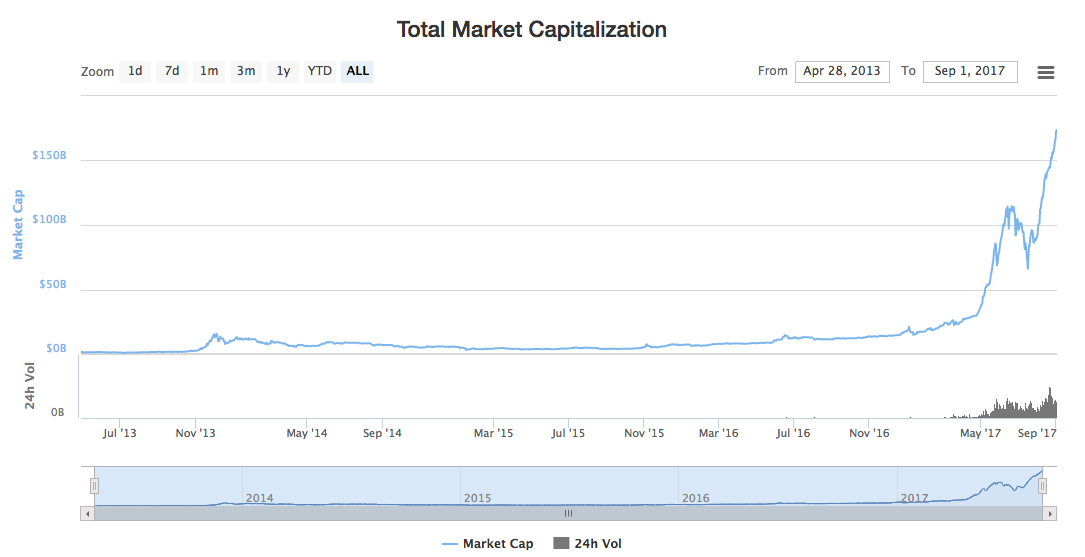
Crypto coins by market cap sets the stage for this enthralling narrative, offering readers a glimpse into a story that is rich in detail and brimming with originality from the outset.

In the rapidly evolving world of cryptocurrencies, understanding market capitalization is essential for investors and enthusiasts alike. This metric not only highlights the significance of different crypto coins in the market but also provides insights into their potential for growth and volatility. Let’s dive into the fascinating realm of crypto coins by market cap and discover what sets the most prominent players apart.

Overview of Crypto Coins by Market Cap

In the rapidly evolving world of finance, cryptocurrencies have emerged as a significant player, capturing the interest of investors and tech enthusiasts alike. Crypto coins, often simply referred to as cryptocurrencies, are digital currencies designed to work as a medium of exchange. They utilize cryptography for secure transactions, making them unique compared to traditional currencies. Their significance lies not only in their potential for high returns but also in their ability to revolutionize financial systems worldwide.Market capitalization, or market cap, is a crucial metric in the cryptocurrency space, representing the total value of a cryptocurrency in circulation.

It is calculated by multiplying the current price of a coin by its total supply. For instance, if a cryptocurrency has a price of $10 and there are 1 million coins in circulation, its market cap would be $10 million. This figure helps investors gauge the relative size and importance of a cryptocurrency within the market, providing insights into its stability and growth potential.

Popular Crypto Coins by Market Cap

Understanding Cryptocurrencies - 002 : Cryptocurrency Market Cap and ...

The cryptocurrency market is dominated by a few key players that hold significant market caps. The top five cryptocurrencies, based on their market cap, are Bitcoin, Ethereum, Binance Coin, Cardano, and Solana. Each of these coins boasts unique features that set them apart.

Cryptocurrency Market Cap Price Trading Volume
Bitcoin (BTC) $900 billion $45,000 $30 billion
Ethereum (ETH) $450 billion $3,200 $20 billion
Binance Coin (BNB) $100 billion $400 $1.5 billion
Cardano (ADA) $80 billion $1.20 $1 billion
Solana (SOL) $70 billion $150 $600 million

Historically, these cryptocurrencies have shown remarkable performance. Bitcoin, launched in 2009, remains the pioneer and continues to dominate the market. Ethereum introduced smart contracts, facilitating decentralized applications. Binance Coin, originally created for transaction fees on the Binance exchange, has expanded its utility significantly. Cardano focuses on sustainability and scalability, while Solana offers fast and low-cost transactions, making them attractive to developers and investors alike.

Factors Influencing Market Cap of Crypto Coins

Several factors contribute to the market cap of cryptocurrencies, reflecting their value and stability. Key influencers include supply and demand dynamics, market sentiment, and technological advancements. For instance, when demand for a cryptocurrency increases due to positive news or adoption by major companies, its market cap rises significantly. Recent events such as major corporations accepting Bitcoin as payment have notably impacted its market cap.Regulatory developments also play a critical role in shaping market caps.

For example, when governments implement favorable regulations, it can enhance investor confidence and lead to increased investment, thereby boosting the market capitalization of cryptocurrencies. Conversely, harsh regulations may lead to a decline in market cap as investors withdraw.

Comparison of Market Cap Among Different Crypto Coins

When comparing the market caps of leading cryptocurrencies with emerging ones, distinct differences are evident. Established cryptocurrencies like Bitcoin and Ethereum have market caps in the hundreds of billions, while newer entrants may only reach a few billion.

  • Benefits of High Market Cap Coins:
    • Greater stability and less volatility.
    • Wider acceptance and liquidity.
    • Established track record and community support.
  • Risks of High Market Cap Coins:
    • Potential for slower growth rates.
    • Increased scrutiny and regulatory risks.
  • Benefits of Low Market Cap Coins:
    • Potential for rapid growth and high returns.
    • Opportunity to invest early in innovative projects.
  • Risks of Low Market Cap Coins:
    • Higher volatility and risk of total loss.
    • Less liquidity, making it hard to sell.

Diversifying investments based on market cap can help mitigate risks and take advantage of growth opportunities in the crypto space.

Predictions for Future Crypto Market Caps

Looking ahead, predictions for the future market cap trends of major cryptocurrencies suggest a potential for growth, driven by technological developments and increased adoption. Analysts foresee Bitcoin maintaining its dominance, while Ethereum’s transition to Ethereum 2.0 could further enhance its market position.Market catalysts, such as institutional investments and advancements in blockchain technology, could significantly influence the growth trajectories of cryptocurrencies.

For instance, if major financial institutions increase their crypto holdings, it could lead to substantial market cap increases.

Year Projected Market Cap for Bitcoin Projected Market Cap for Ethereum
2024 $1 trillion $600 billion
2025 $1.5 trillion $1 trillion
2026 $2 trillion $1.5 trillion
2027 $2.5 trillion $2 trillion
2028 $3 trillion $2.5 trillion

Strategies for Investing in Crypto Coins by Market Cap

Total crypto market-cap hits 0M as Bitcoin and altcoins recover from ...

Investing in cryptocurrencies requires tailored strategies based on market cap segments. For large-cap coins, investors might focus on stability and long-term growth, while mid-cap coins may offer a balance of risk and reward. Small-cap coins can be highly speculative but also present significant growth opportunities.

  • Strategies for Large-Cap Investments:
    • Invest for the long term to ride out market fluctuations.
    • Monitor regulatory news to assess potential impacts.
  • Strategies for Mid-Cap Investments:
    • Research the project’s technology and team.
    • Diversify within this segment to manage risk.
  • Strategies for Small-Cap Investments:
    • Conduct thorough research to avoid scams.
    • Set clear exit strategies to secure profits.

“Investing in crypto based on market cap helped me navigate the volatility. I’ve seen substantial gains by diversifying my portfolio.”

A seasoned crypto investor

Final Thoughts

In summary, exploring crypto coins by market cap reveals a dynamic landscape where opportunities and challenges coexist. As we have seen, understanding market trends, individual coin characteristics, and the factors that influence their value is crucial for informed investment decisions. Staying updated on market movements will empower you to navigate this vibrant ecosystem effectively.

Helpful Answers

What is market capitalization in crypto?

Market capitalization is the total value of a cryptocurrency, calculated by multiplying its current price by the total supply of coins in circulation.

How often do market caps change?

Market caps can fluctuate rapidly due to changes in price and trading volume, often occurring within seconds during active trading periods.

Why should I consider market cap when investing?

Market cap can indicate the relative stability or risk of a cryptocurrency, with larger caps often being seen as safer investments compared to smaller caps.

Can a low market cap coin become popular?

Yes, low market cap coins can gain popularity and increase in value, but they also carry higher risk due to volatility and lower liquidity.

What tools can I use to track market cap?

There are several tools available, such as CoinMarketCap and CoinGecko, that provide real-time data on market caps, prices, and trading volumes.

Cryptocurrencies companies are revolutionizing the way we think about money, finance, and transactions. As pioneers in the blockchain ecosystem, these firms not only enable trading and investment but also push the boundaries of technology and innovation. From humble beginnings, the cryptocurrency sector has evolved dramatically, challenging traditional financial institutions and presenting opportunities that were once inconceivable.

Through various business models like exchanges, wallets, and payment processors, these companies serve a diverse range of needs within the digital economy. As they navigate regulatory challenges and embrace cutting-edge technologies, cryptocurrencies companies are set to play a crucial role in shaping global finance in the years to come.

Overview of Cryptocurrency Companies

Cryptocurrency companies play a pivotal role in the ever-evolving blockchain ecosystem, serving as the backbone for transactions, storage, and the overall management of digital currencies. These entities encompass a wide range of services, from trading platforms to wallets and payment processing. Since the inception of Bitcoin in 2009, the landscape of cryptocurrency companies has transformed significantly, evolving from niche startups to major players in the global financial market.

Unlike traditional financial institutions, cryptocurrency companies operate with decentralized principles, enabling peer-to-peer transactions without the need for intermediaries.

Evolution of Cryptocurrency Companies

A Basic Guide On Creating A Cryptocurrency | Techno FAQ

Initially, cryptocurrency companies were limited to a small number of exchanges and mining operations, primarily catering to tech-savvy individuals. As the market matured, more diverse services emerged, including secure wallet solutions and payment processors that accept cryptocurrencies. Today, these companies boast a range of innovative products, utilizing advanced technologies to enhance user experience and security.

Differences from Traditional Financial Institutions

The distinctions between cryptocurrency companies and traditional financial institutions are profound. Cryptocurrency companies prioritize decentralization, transparency, and security, often utilizing blockchain technology to maintain trust and verification. Conversely, traditional banks and financial institutions are centralized, requiring users to trust a third party for transactions. This fundamental difference has led to the rise of alternative financial solutions driven by cryptocurrencies.

Types of Cryptocurrency Companies

Decoding the Future: Cryptocurrencies' Role in the Digital Economy

Cryptocurrency companies can be categorized into several types, each serving unique functions within the ecosystem.

  • Exchanges: Platforms like Binance and Coinbase facilitate the buying, selling, and trading of cryptocurrencies.
  • Wallets: Companies like Ledger and Trezor provide secure storage solutions for digital assets.
  • Payment Processors: Companies like BitPay and CoinGate enable merchants to accept cryptocurrency payments.
  • Mining Operations: Firms such as Bitmain are involved in the mining of cryptocurrencies, contributing to network security.

Each type of cryptocurrency company operates under different business models, with exchanges generating revenue through trading fees, while wallets may charge for premium security features.

Major Cryptocurrency Companies

Several cryptocurrency companies have established themselves as industry leaders based on market capitalization.

  • Binance: One of the largest crypto exchanges globally, offering a wide range of services including trading, staking, and a native cryptocurrency, BNB.
  • Coinbase: A user-friendly platform that simplifies the buying and selling of cryptocurrencies, making it accessible to newcomers.
  • Ethereum: Beyond a cryptocurrency, it provides a platform for decentralized applications and smart contracts.
  • Tether: A stablecoin that is widely used for trading and maintaining liquidity in the crypto market.

These companies significantly impact the global financial landscape, influencing everything from investment strategies to regulatory discussions.

Regulatory Environment

The regulatory landscape surrounding cryptocurrency companies varies greatly by region, with some countries embracing the technology while others impose strict restrictions.

  • In the United States, the SEC and CFTC provide oversight, defining how cryptocurrencies should be classified and regulated.
  • European countries are increasingly establishing comprehensive frameworks to protect consumers and ensure market stability.
  • In contrast, countries like China have banned cryptocurrency trading, reflecting a cautious approach toward digital currencies.

Regulations have significantly shaped the operations of cryptocurrency companies, compelling them to adopt compliance measures and engage with regulators to avoid legal pitfalls.

Innovations and Technologies

Cryptocurrency companies leverage cutting-edge technologies to enhance their services and improve security.

  • Blockchain: The underlying technology of cryptocurrencies that ensures transparency and security in transactions.
  • Smart Contracts: Self-executing contracts with the terms directly written into code, enabling automated agreements without intermediaries.
  • Decentralized Finance (DeFi): A movement that offers financial services without traditional banks, using blockchain technology to provide lending, borrowing, and trading.

Innovative products like decentralized exchanges (DEXs) and yield farming platforms illustrate how these advancements are reshaping traditional financial sectors.

Challenges Faced by Cryptocurrency Companies

Despite the rapid growth of the cryptocurrency sector, companies face several challenges, including security risks and market volatility.

  • Security Risks: Cryptocurrency companies must invest heavily in cybersecurity measures to protect against hacking and theft.
  • Market Volatility: Fluctuations in cryptocurrency prices create uncertainty, making it difficult for companies to maintain stable revenue.
  • Regulatory Challenges: Navigating the complex regulatory environment can strain resources and hinder innovation.

To build customer trust and ensure security, companies are implementing robust measures, including two-factor authentication and insurance for digital assets.

Future Trends in Cryptocurrency Companies

The cryptocurrency sector is poised for significant changes in the coming years.

  • Increased Regulation: Companies should prepare for more stringent regulations as governments seek to establish clear frameworks.
  • Adoption of Central Bank Digital Currencies (CBDCs): The emergence of CBDCs may alter the competitive landscape for cryptocurrency companies.
  • Integration with Traditional Finance: Ongoing partnerships between crypto firms and traditional financial institutions could enhance legitimacy and accessibility.

These trends indicate a shift towards a more regulated and integrated financial ecosystem.

Case Studies

Examining successful and failed cryptocurrency companies provides valuable insights into the industry’s dynamics.

  • Successful Case Study: Bitcoin: As the first cryptocurrency, Bitcoin’s journey demonstrates the potential of decentralized technology to disrupt traditional financial systems.
  • Failed Case Study: BitConnect: A notorious Ponzi scheme that collapsed, highlighting the importance of due diligence and skepticism in investment.

These case studies reinforce the critical lessons of innovation, trust, and the necessity for transparency in the cryptocurrency space.

Closing Notes

In conclusion, the landscape of cryptocurrencies companies is marked by rapid evolution and intense competition. As they strive to overcome challenges while harnessing innovative technologies, their impact on both the financial sector and consumer behavior is undeniable. Looking ahead, these companies will continue to adapt and grow, paving the way for a more inclusive and technologically advanced financial system.

Frequently Asked Questions

What are cryptocurrencies companies?

Cryptocurrencies companies are businesses that facilitate the use, exchange, and management of digital currencies using blockchain technology.

How do cryptocurrencies companies differ from traditional banks?

Cryptocurrencies companies operate on decentralized networks, offering more flexible and faster transactions compared to traditional banks, which are centralized and often slower.

What types of services do cryptocurrencies companies offer?

They provide a range of services including trading platforms, digital wallets, payment processing, and custody solutions for cryptocurrencies.

Are cryptocurrencies companies regulated?

Yes, the regulatory environment varies by region and can greatly influence how these companies operate, with many facing scrutiny to ensure compliance with financial laws.

What challenges do cryptocurrencies companies face?

They face issues like market volatility, security risks, and regulatory compliance, which require robust strategies to manage effectively.