Branding iron jerky is not just another snack; it’s a culinary experience that combines tradition with innovation. This unique jerky stands out with its distinctive branding techniques and flavors, capturing the essence of craftsmanship in every bite. With a rich history and a growing market presence, branding iron jerky has become a favored choice among jerky enthusiasts who appreciate quality and creativity in their snacks.
From its intriguing origins to modern production methods, branding iron jerky represents a blend of art and science. The production process involves meticulous steps, including the selection of premium ingredients and smoking techniques that enhance flavor. As branding techniques evolve, they further shape consumer perceptions, making this jerky not just a product but a statement.
Branding Iron Jerky Overview
Branding Iron Jerky is not just any beef jerky; it embodies a distinctive blend of flavor and craftsmanship that appeals to jerky lovers everywhere. This artisanal snack often features unique recipes that infuse traditional methods with modern flavors, making each bite a flavorful experience. The term ‘branding iron’ not only refers to the method of marking cattle but also highlights the personal touch and identity behind the product, creating a connection between the brand and its consumers.The origins of branding iron jerky trace back to the American frontier, where ranchers would preserve meat using salt and smoke to ensure it lasted through long journeys.
This preservation method became essential for survival, leading to the development of jerky as we know it today. Over time, as various cultures incorporated their own spices and techniques, the jerky evolved into a beloved snack with regional twists, ultimately giving rise to the branding iron style that emphasizes quality and unique flavors.
Importance of Branding in the Jerky Industry
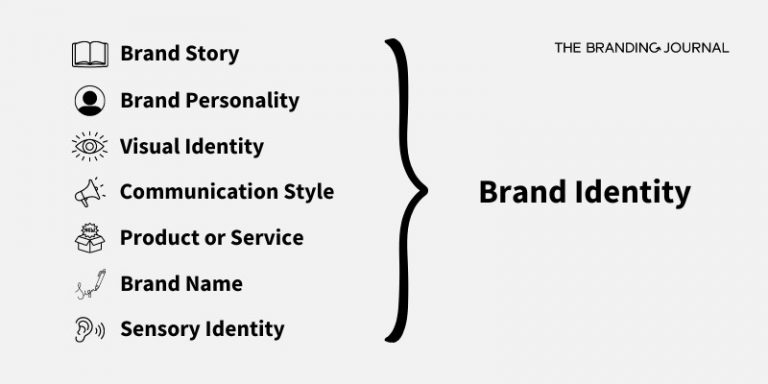
Branding plays a crucial role in the jerky market, helping differentiate products in a saturated landscape. Effective branding not only communicates the quality and flavor profile of the jerky but also tells a story that resonates with consumers. A strong brand identity fosters loyalty and recognition, which are vital in attracting repeat customers. Here are some key points that highlight the significance of branding in the jerky industry:
-
Brand recognition enhances customer trust and loyalty.
When consumers can easily identify a brand, they are more likely to choose it over competitors.
-
Unique branding can create emotional connections.
Engaging stories or custom branding can resonate with customers, leading to a deeper connection with the product.
-
Effective branding can justify premium pricing.
Consumers are often willing to pay more for products they perceive as high quality due to strong branding.
-
Branding helps in market differentiation.
In a crowded marketplace, distinct branding allows a product to stand out and attract attention.
Production Process
The production process of Branding Iron Jerky is a meticulous journey from raw ingredients to savory, ready-to-eat jerky. Each step is designed to preserve flavor and ensure quality, providing a delicious snack that meets the highest standards.The first stage in producing Branding Iron Jerky involves selecting high-quality meat, typically beef, turkey, or pork. The meat is then trimmed of excess fat for a leaner end product.
After trimming, the meat is sliced into thin strips, which allows for better absorption of flavors during marination. Following this, a carefully crafted marinade is prepared, which includes a blend of spices and flavorings designed to enhance the natural taste of the meat.
Ingredients Commonly Used
The ingredients used in Branding Iron Jerky play a crucial role in defining its unique taste. The marinade generally consists of the following components:
- Soy Sauce: Acts as a base for the marinade, contributing umami flavor and saltiness.
- Worcestershire Sauce: Adds depth and complexity with its tangy and slightly sweet profile.
- Brown Sugar: Balances the saltiness and adds a touch of sweetness.
- Garlic Powder: Infuses a savory essence and enhances the overall flavor.
- Black Pepper: Provides a spicy kick that complements the other ingredients.
- Red Pepper Flakes: Optional, for those who enjoy a spicier jerky.
Each ingredient is carefully measured and mixed to create a marinade that will thoroughly penetrate the meat, ensuring every bite is packed with flavor.
Smoking and Drying Methods
The final steps in the production process involve smoking or drying the jerky to achieve the desired texture and flavor. Two common methods are used:
- Traditional Smoking: This method involves hanging the marinated meat in a smoker, where it is exposed to smoke from wood chips. This not only infuses the jerky with a rich, smoky flavor but also helps to preserve it. Different types of wood, such as hickory, mesquite, or applewood, can impart distinct flavors to the final product.
- Dehydration: In this method, the jerky is placed in a dehydrator or oven at a low temperature. This allows moisture to be removed slowly, yielding a chewy texture while retaining the meat’s flavor. Dehydrators provide a controlled environment, ensuring consistent results.
Both methods require careful monitoring of temperature and time to create jerky that is both delicious and safe for consumption. The result of these processes is a flavorful, protein-packed snack that can be enjoyed anytime, anywhere.
Branding Techniques
Branding is a crucial aspect of the jerky industry, influencing consumer choices and perceptions. Effective branding not only helps products stand out in a crowded market but also communicates the values and quality behind the product. Various techniques are employed to create a strong brand identity that resonates with consumers.One significant branding technique used in jerky production is the visual design of packaging, which encompasses colors, typography, and imagery.
The design elements convey the brand’s message and evoke emotions related to the product. For instance, earthy tones and rustic fonts may suggest a natural and artisanal product, appealing to health-conscious consumers.
Examples of Branding Designs and Their Meanings
The branding of jerky products can significantly vary, reflecting different themes and target audiences. The following examples illustrate how brands communicate their identity through design:
- Wild West Jerky: This brand utilizes a cowboy-theme design with bold, rugged typography and images of cowboys and open ranges. This evokes a sense of adventure and authenticity, appealing to consumers who value traditional, hearty snacks.
- Health Nut Jerky: Featuring vibrant green colors and a clean, modern font, this brand focuses on health benefits, targeting fitness enthusiasts. The use of icons representing protein and organic ingredients helps communicate a clear message about the product’s benefits.
- Spicy Heat Jerky: With fiery red hues and aggressive typography, this brand emphasizes its spicy flavor profile. The design appeals to consumers looking for bold, adventurous snacks, encouraging them to take a risk on a flavor that stands out.
Branding techniques extend beyond visual design; they also encompass storytelling and emotional appeal. Many brands effectively use storytelling in their marketing to forge a connection with consumers. For instance, a brand might share its origin story or the meticulous process behind its jerky production, further enhancing the perceived value.
“Effective branding not only creates recognition but also builds loyalty and trust among consumers.”
Branding significantly influences consumer perception, providing cues that affect buying behavior. A well-crafted brand can evoke trust, quality, and nostalgia, often leading consumers to choose one product over another, even if the price is higher. Additionally, strong branding can create a sense of community around a product, fostering loyalty and repeat purchases. By understanding their target audience and employing effective branding techniques, jerky producers can create a lasting impact in the marketplace.
Market Trends
The jerky market has been experiencing significant shifts in consumer preferences and branding strategies. With a growing focus on health and wellness, companies are adapting their branding to align with these trends while appealing to a diverse demographic. As more consumers seek protein-rich snacks that fit their active lifestyles, the demand for high-quality jerky products has surged, prompting brands like Branding Iron Jerky to innovate and connect with their audience effectively.One notable trend in the jerky market is the increasing popularity of premium and artisanal products.
Consumers are shifting away from mass-produced options and gravitating towards brands that offer unique flavors and quality ingredients. According to recent market analysis, the global jerky market is expected to grow at a CAGR of 6.7% from 2021 to 2028, indicating a robust demand for jerky products across various consumer segments. Additionally, about 60% of jerky consumers prefer brands that emphasize natural ingredients without preservatives, directly influencing branding strategies for companies like Branding Iron Jerky.
Consumer Preferences for Branding Iron Jerky
Understanding consumer preferences is essential for effective branding in the jerky market. With an emphasis on transparency and quality, consumers are increasingly inclined to choose brands that prioritize sustainability and ethical sourcing. Research shows that 75% of consumers are willing to pay more for products that are sustainably sourced, highlighting the importance of incorporating these values into branding efforts.Key preferences among consumers include:
- Flavor Variety: Unique and adventurous flavor profiles, such as spicy or sweet-and-sour, are in high demand, encouraging brands to expand their offerings.
- Health Consciousness: Many consumers are looking for leaner, higher-protein options with reduced sodium and no artificial additives, driving brands to reformulate their products.
- Brand Story: A compelling brand narrative that connects emotionally with consumers can significantly influence purchasing decisions, as people are more likely to support brands they feel a connection to.
Impact of Health Trends on Jerky Branding Strategies
Health and wellness trends have reshaped the marketing landscape for jerky products. With rising awareness around diet and nutrition, health-conscious consumers are prioritizing snacks that complement their lifestyles. Brands are adapting their messaging to highlight the nutritional benefits of jerky, leveraging claims that emphasize high protein, low carbs, and natural ingredients.The following elements are crucial in shaping branding strategies in response to health trends:
- Clean Labeling: Brands are increasingly adopting clear and honest labeling practices that communicate the ingredients and nutritional content, fostering trust among consumers.
- Functional Ingredients: Incorporating superfoods or additional nutrients, such as collagen or probiotics, into jerky products can appeal to health-focused consumers.
- Diet Compatibility: Many brands are now marketing their products as compatible with popular diets such as keto, paleo, and Whole30, expanding their reach to diverse consumer groups.
“Brands that effectively communicate their health benefits and ethical sourcing can create a loyal customer base, particularly in a market that values transparency and quality.”
Marketing Strategies
Effective marketing strategies are essential for the success of Branding Iron Jerky. As a premium product in a competitive snack market, it’s crucial to develop a plan that highlights the unique qualities of the jerky while connecting with potential consumers. A well-rounded marketing approach incorporates both traditional and modern tactics to build brand awareness, attract new customers, and retain loyal ones.Social media plays a pivotal role in promoting Branding Iron Jerky.
Platforms like Instagram, Facebook, and TikTok allow for visual storytelling and direct engagement with consumers. They also enable brands to share user-generated content, showcase product versatility, and promote limited-time offers or new flavors. This digital presence not only amplifies brand reach but also fosters a community around the product, creating a loyal following.
Utilizing Social Media Platforms
A strategic plan for utilizing social media should focus on creating engaging content that resonates with the target audience. This can include:
- Visual Content: High-quality images and videos showcasing the jerky being enjoyed in various settings, like camping trips or sports events, can attract attention and encourage sharing.
- User Engagement: Running contests or challenges that encourage customers to post their own experiences with Branding Iron Jerky can help build a strong brand community.
- Influencer Partnerships: Collaborating with food bloggers or outdoor enthusiasts who align with the brand’s target demographic can amplify reach and credibility.
- Targeted Advertising: Utilizing targeted ads on platforms like Facebook and Instagram allows for precise marketing to specific demographics that are more likely to convert into customers.
- Real-time Interaction: Engaging with followers through comments, messages, and live sessions to create a personal connection with the audience.
Successful Branding Campaigns in the Jerky Industry
Examining successful campaigns can provide valuable insights into effective marketing strategies. For instance, brands like Jack Link’s have leveraged humor in advertising, resulting in memorable and shareable content. Their “Messin’ with Sasquatch” campaign not only showcased the product but also created a fun narrative that resonated with consumers.Another example is Krave Jerky, which positioned itself as a gourmet snack by emphasizing natural ingredients and unique flavors.
Their marketing focused heavily on lifestyle branding, appealing to health-conscious consumers. Through strategic partnerships with health and fitness influencers, Krave successfully created a brand image that aligned with the values of its target market.
“Success in marketing often lies in understanding the consumer and creating a narrative that they can relate to.”
In summary, effective marketing strategies for Branding Iron Jerky involve a thoughtful approach to social media engagement, leveraging successful branding examples from the jerky industry, and creating a unique narrative that resonates with consumers. By doing so, the brand can establish a formidable presence in the snack market, appealing to both new and loyal customers.
Pairing and Serving Suggestions
Branding Iron Jerky is not just a snack; it’s a versatile ingredient that can elevate your culinary experiences. Whether you’re looking for the perfect beverage to complement your jerky or creative ways to serve it, there are endless options that can enhance its rich flavors. Below, explore the best pairings and serving ideas to truly enjoy Branding Iron Jerky.
Beverage Pairings
Finding the right drink to accompany your jerky can enhance its taste and create a more enjoyable snacking experience. Here are some top beverage pairings that work well with Branding Iron Jerky:
- Craft Beer: The hoppy bitterness of a pale ale or the rich flavors of a stout can contrast wonderfully with the savory notes of jerky.
- Red Wine: A bold Cabernet Sauvignon or a smooth Merlot complements the deep, smoky flavors of jerky, creating a sophisticated pairing.
- Whiskey: The caramel and vanilla notes in whiskey can enhance the meatiness of the jerky, making it a great choice for those who enjoy stronger spirits.
- Sparkling Water: For a non-alcoholic option, sparkling water with a hint of lime or lemon can cleanse the palate while providing a refreshing balance.
- Fruit Juices: Juices like apple or cranberry can add a sweet contrast to the savory jerky, providing a delightful mix of flavors.
Unique Serving Ideas
Branding Iron Jerky can be served in various creative ways that can impress your guests or elevate a casual snack. Here are some unique serving ideas:
- Charcuterie Boards: Incorporate jerky into a charcuterie board alongside cheeses, nuts, and pickles for an appealing and diverse snack spread.
- Jerky Tacos: Use pieces of jerky as a filling for tacos, adding toppings such as avocado, salsa, and cilantro for a unique twist.
- Salads: Toss chopped jerky into salads for added protein and a savory kick, pairing well with fresh greens and vinaigrettes.
- Jerky Quesadillas: Layer jerky within tortillas with cheese and other fillings, grill until crispy, and serve with salsa for dipping.
- Jerky-Stuffed Peppers: Mix chopped jerky with rice and spices to stuff bell peppers, bake until tender, and enjoy a hearty meal.
Incorporating Jerky into Recipes
Branding Iron Jerky can be a flavorful addition to various recipes, enhancing dishes with its robust taste. Here are some tips for including jerky in your meal plans:
- Breakfast Hash: Diced jerky can be added to a breakfast hash with potatoes, eggs, and vegetables for a protein-packed start to the day.
- Soups and Stews: Incorporate jerky into soups and stews as a meat substitute, allowing its flavors to infuse the broth throughout cooking.
- Pasta Dishes: Chopped jerky can be stirred into pasta dishes, adding texture and flavor to creamy sauces or tomato-based recipes.
- Snacking Mixes: Combine jerky with nuts, seeds, and dried fruits to create a nutritious and satisfying trail mix.
- Pizza Topping: Use jerky as a unique topping on pizzas, pairing it with cheese, peppers, and onions for a savory bite.
Consumer Demographics
Branding Iron Jerky has carved a distinctive niche in the snack market, attracting a diverse audience. Understanding the demographics of this target audience is crucial for refining marketing strategies and ensuring product appeal. The consumer base for Branding Iron Jerky comprises various age groups, lifestyles, and preferences, each contributing to the growing popularity of this protein-packed snack.The target audience for Branding Iron Jerky primarily includes outdoor enthusiasts, health-conscious individuals, and snack aficionados.
These consumers appreciate the convenience of jerky as a portable snack, making it a perfect choice for hiking, camping, or on-the-go meals. The typical jerky consumer values high-quality ingredients and unique flavors, often opting for products that offer a blend of taste and nutrition. In addition, the rise of protein-focused diets has broadened the appeal of jerky among fitness enthusiasts and those seeking healthier snack alternatives.
Target Audience Characteristics
The demographic profile of Branding Iron Jerky consumers reveals several noteworthy characteristics:
- Age Range: The primary consumers are aged between 18 and 45, encompassing young adults and working professionals who seek nutritious snacks.
- Gender Distribution: While both men and women enjoy jerky, research indicates a slight skew towards male consumers, particularly those engaged in sports and outdoor activities.
- Income Level: The target audience generally falls within the middle to upper-middle income brackets, allowing for discretionary spending on premium snack products.
- Lifestyle Preferences: Many consumers lead active lifestyles, regularly participating in activities such as hiking, biking, and gym workouts, where protein-packed snacks are valued for their energy-boosting properties.
- Health Consciousness: There is a notable trend towards health awareness, with consumers increasingly interested in low-carb, high-protein options that fit into their dietary goals.
The preferences and buying habits of jerky consumers align closely with broader trends in the snack food industry. Consumers are increasingly drawn to products that not only satisfy hunger but also provide nutritional benefits. The emphasis on clean labels, natural ingredients, and unique flavor profiles continues to shape purchasing decisions.
Comparative Demographics
When comparing Branding Iron Jerky consumers to the general jerky market, some distinctions emerge:
- Brand Loyalty: Branding Iron Jerky consumers tend to exhibit stronger brand loyalty due to unique flavor offerings and a commitment to quality, unlike general jerky consumers who may be more price-sensitive and willing to switch brands.
- Flavor Preferences: Branding Iron Jerky has successfully appealed to adventurous eaters, offering unconventional flavors that attract consumers looking for exciting taste experiences compared to the traditional flavors preferred by general jerky consumers.
- Purchase Channels: Branding Iron Jerky is often favored in specialty shops and online marketplaces, whereas general jerky consumers may purchase their snacks from convenience stores or supermarkets due to accessibility.
- Awareness of Ingredients: Consumers of Branding Iron Jerky are generally more informed and concerned about the sourcing and quality of ingredients, compared to the broader jerky consumer base that may prioritize taste over quality.
The consumer demographics for Branding Iron Jerky are indicative of a growing trend towards health-oriented, flavorful snacks that connect with active lifestyles while ensuring a high-quality eating experience. This detailed understanding of the target audience not only informs product development but also enhances marketing strategies tailored to reach and resonate with these consumers effectively.
Challenges and Opportunities
The branding iron jerky market faces various challenges that require strategic navigation, alongside numerous opportunities for innovation and expansion. Understanding these dynamics is crucial for brands looking to thrive in a competitive landscape. By addressing the challenges head-on and leveraging opportunities, companies can position themselves for long-term growth and success.
Challenges in the Branding Iron Jerky Market
The jerky market, particularly in the branding iron niche, encounters several hurdles that can impact profitability and brand loyalty. Key challenges include:
- Market Saturation: The proliferation of jerky brands leads to intense competition, making it harder for new entrants to establish a foothold.
- Consumer Preferences: Shifting consumer tastes towards healthier snacks challenge traditional jerky offerings, requiring brands to adapt their formulations.
- Supply Chain Issues: Fluctuations in meat prices and sourcing difficulties can affect production costs, impacting pricing strategies.
- Regulatory Compliance: Adhering to food safety regulations and labeling requirements adds complexity to production processes.
Opportunities for Innovation and Growth
Despite these challenges, the jerky industry is ripe with opportunities for innovation and growth. Companies can explore various avenues to differentiate themselves and expand their market reach. Notable opportunities include:
- Health-Conscious Options: Developing low-sodium, high-protein, or plant-based jerky alternatives can cater to the growing demand for healthier snack options.
- Flavor Innovation: Experimenting with unique flavor profiles, such as global cuisines or gourmet spices, can attract adventurous consumers.
- Sustainable Practices: Implementing environmentally friendly sourcing and production methods can resonate with eco-conscious consumers, enhancing brand loyalty.
- Online Sales Growth: Expanding e-commerce capabilities allows brands to reach a broader audience and cater to shifting shopping behaviors.
Strategies for Overcoming Competition
To thrive in a competitive landscape, branding iron jerky companies must adopt strategic measures that distinguish them from others. Effective strategies include:
- Brand Storytelling: Creating a compelling narrative around the brand that resonates with consumers can foster emotional connections and loyalty.
- Targeted Marketing: Utilizing data analytics to identify and focus on specific consumer demographics can enhance marketing effectiveness.
- Collaborative Partnerships: Forming partnerships with local producers, influencers, or health organizations can elevate brand visibility and credibility.
- Quality Assurance: Emphasizing high-quality ingredients and production methods can justify premium pricing and attract discerning consumers.
Ultimate Conclusion
In conclusion, branding iron jerky is more than just a tasty treat; it embodies a rich narrative of tradition, quality, and innovation. As market trends shift and consumer preferences evolve, branding iron jerky continues to carve out its niche in the competitive jerky landscape. Whether enjoyed on its own or paired with your favorite drink, this jerky invites you to savor the journey behind its creation and the passion that defines it.
Common Queries
What makes branding iron jerky different from regular jerky?
Branding iron jerky features unique branding designs and an emphasis on quality ingredients, creating a distinctive flavor and visual appeal.
Is branding iron jerky suitable for all dietary preferences?
Many variations exist, including options for gluten-free and low-sodium, but it’s essential to check individual product labels for specific dietary needs.
How should branding iron jerky be stored for freshness?
It should be stored in a cool, dry place, preferably in an airtight container to maintain its flavor and texture over time.
Can branding iron jerky be used in recipes?
Absolutely! It can be incorporated into salads, sandwiches, or even served as a topping for pizzas to add a savory kick.
What are some popular flavors of branding iron jerky?
Common flavors include original, teriyaki, spicy, and mesquite-smoked, each offering a unique taste profile that appeals to various palates.