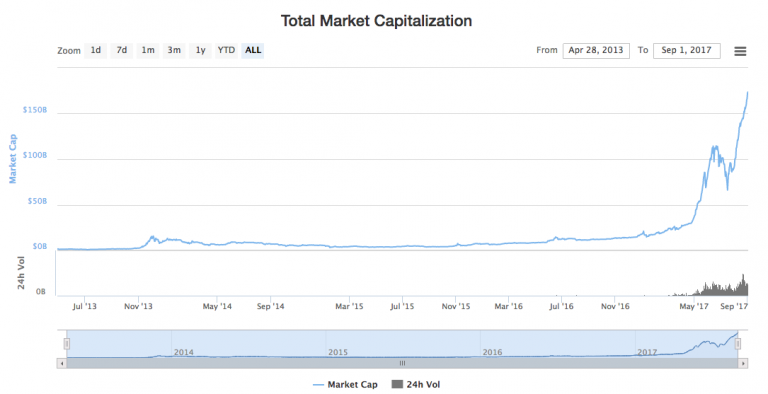
Crypto coins by market cap sets the stage for this enthralling narrative, offering readers a glimpse into a story that is rich in detail and brimming with originality from the outset.
In the rapidly evolving world of cryptocurrencies, understanding market capitalization is essential for investors and enthusiasts alike. This metric not only highlights the significance of different crypto coins in the market but also provides insights into their potential for growth and volatility. Let’s dive into the fascinating realm of crypto coins by market cap and discover what sets the most prominent players apart.
Overview of Crypto Coins by Market Cap
In the rapidly evolving world of finance, cryptocurrencies have emerged as a significant player, capturing the interest of investors and tech enthusiasts alike. Crypto coins, often simply referred to as cryptocurrencies, are digital currencies designed to work as a medium of exchange. They utilize cryptography for secure transactions, making them unique compared to traditional currencies. Their significance lies not only in their potential for high returns but also in their ability to revolutionize financial systems worldwide.Market capitalization, or market cap, is a crucial metric in the cryptocurrency space, representing the total value of a cryptocurrency in circulation.
It is calculated by multiplying the current price of a coin by its total supply. For instance, if a cryptocurrency has a price of $10 and there are 1 million coins in circulation, its market cap would be $10 million. This figure helps investors gauge the relative size and importance of a cryptocurrency within the market, providing insights into its stability and growth potential.
Popular Crypto Coins by Market Cap
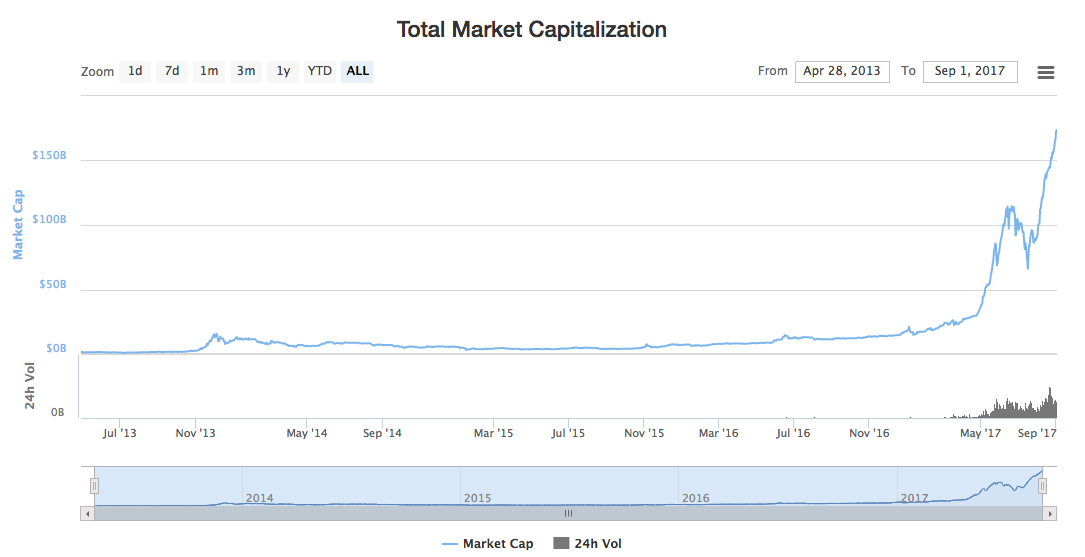
The cryptocurrency market is dominated by a few key players that hold significant market caps. The top five cryptocurrencies, based on their market cap, are Bitcoin, Ethereum, Binance Coin, Cardano, and Solana. Each of these coins boasts unique features that set them apart.
| Cryptocurrency | Market Cap | Price | Trading Volume |
|---|---|---|---|
| Bitcoin (BTC) | $900 billion | $45,000 | $30 billion |
| Ethereum (ETH) | $450 billion | $3,200 | $20 billion |
| Binance Coin (BNB) | $100 billion | $400 | $1.5 billion |
| Cardano (ADA) | $80 billion | $1.20 | $1 billion |
| Solana (SOL) | $70 billion | $150 | $600 million |
Historically, these cryptocurrencies have shown remarkable performance. Bitcoin, launched in 2009, remains the pioneer and continues to dominate the market. Ethereum introduced smart contracts, facilitating decentralized applications. Binance Coin, originally created for transaction fees on the Binance exchange, has expanded its utility significantly. Cardano focuses on sustainability and scalability, while Solana offers fast and low-cost transactions, making them attractive to developers and investors alike.
Factors Influencing Market Cap of Crypto Coins
Several factors contribute to the market cap of cryptocurrencies, reflecting their value and stability. Key influencers include supply and demand dynamics, market sentiment, and technological advancements. For instance, when demand for a cryptocurrency increases due to positive news or adoption by major companies, its market cap rises significantly. Recent events such as major corporations accepting Bitcoin as payment have notably impacted its market cap.Regulatory developments also play a critical role in shaping market caps.
For example, when governments implement favorable regulations, it can enhance investor confidence and lead to increased investment, thereby boosting the market capitalization of cryptocurrencies. Conversely, harsh regulations may lead to a decline in market cap as investors withdraw.
Comparison of Market Cap Among Different Crypto Coins
When comparing the market caps of leading cryptocurrencies with emerging ones, distinct differences are evident. Established cryptocurrencies like Bitcoin and Ethereum have market caps in the hundreds of billions, while newer entrants may only reach a few billion.
- Benefits of High Market Cap Coins:
- Greater stability and less volatility.
- Wider acceptance and liquidity.
- Established track record and community support.
- Risks of High Market Cap Coins:
- Potential for slower growth rates.
- Increased scrutiny and regulatory risks.
- Benefits of Low Market Cap Coins:
- Potential for rapid growth and high returns.
- Opportunity to invest early in innovative projects.
- Risks of Low Market Cap Coins:
- Higher volatility and risk of total loss.
- Less liquidity, making it hard to sell.
Diversifying investments based on market cap can help mitigate risks and take advantage of growth opportunities in the crypto space.
Predictions for Future Crypto Market Caps
Looking ahead, predictions for the future market cap trends of major cryptocurrencies suggest a potential for growth, driven by technological developments and increased adoption. Analysts foresee Bitcoin maintaining its dominance, while Ethereum’s transition to Ethereum 2.0 could further enhance its market position.Market catalysts, such as institutional investments and advancements in blockchain technology, could significantly influence the growth trajectories of cryptocurrencies.
For instance, if major financial institutions increase their crypto holdings, it could lead to substantial market cap increases.
| Year | Projected Market Cap for Bitcoin | Projected Market Cap for Ethereum |
|---|---|---|
| 2024 | $1 trillion | $600 billion |
| 2025 | $1.5 trillion | $1 trillion |
| 2026 | $2 trillion | $1.5 trillion |
| 2027 | $2.5 trillion | $2 trillion |
| 2028 | $3 trillion | $2.5 trillion |
Strategies for Investing in Crypto Coins by Market Cap
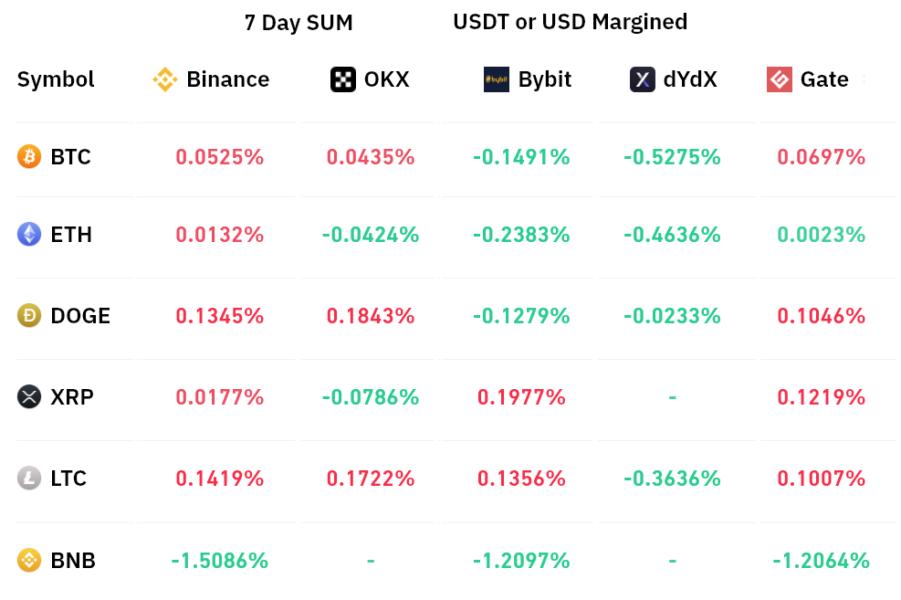
Investing in cryptocurrencies requires tailored strategies based on market cap segments. For large-cap coins, investors might focus on stability and long-term growth, while mid-cap coins may offer a balance of risk and reward. Small-cap coins can be highly speculative but also present significant growth opportunities.
- Strategies for Large-Cap Investments:
- Invest for the long term to ride out market fluctuations.
- Monitor regulatory news to assess potential impacts.
- Strategies for Mid-Cap Investments:
- Research the project’s technology and team.
- Diversify within this segment to manage risk.
- Strategies for Small-Cap Investments:
- Conduct thorough research to avoid scams.
- Set clear exit strategies to secure profits.
“Investing in crypto based on market cap helped me navigate the volatility. I’ve seen substantial gains by diversifying my portfolio.”
A seasoned crypto investor
Final Thoughts
In summary, exploring crypto coins by market cap reveals a dynamic landscape where opportunities and challenges coexist. As we have seen, understanding market trends, individual coin characteristics, and the factors that influence their value is crucial for informed investment decisions. Staying updated on market movements will empower you to navigate this vibrant ecosystem effectively.
Helpful Answers
What is market capitalization in crypto?
Market capitalization is the total value of a cryptocurrency, calculated by multiplying its current price by the total supply of coins in circulation.
How often do market caps change?
Market caps can fluctuate rapidly due to changes in price and trading volume, often occurring within seconds during active trading periods.
Why should I consider market cap when investing?
Market cap can indicate the relative stability or risk of a cryptocurrency, with larger caps often being seen as safer investments compared to smaller caps.
Can a low market cap coin become popular?
Yes, low market cap coins can gain popularity and increase in value, but they also carry higher risk due to volatility and lower liquidity.
What tools can I use to track market cap?
There are several tools available, such as CoinMarketCap and CoinGecko, that provide real-time data on market caps, prices, and trading volumes.